Xi Jinping Visits Cambodia Amidst Rising Trade Tensions with the U.S.
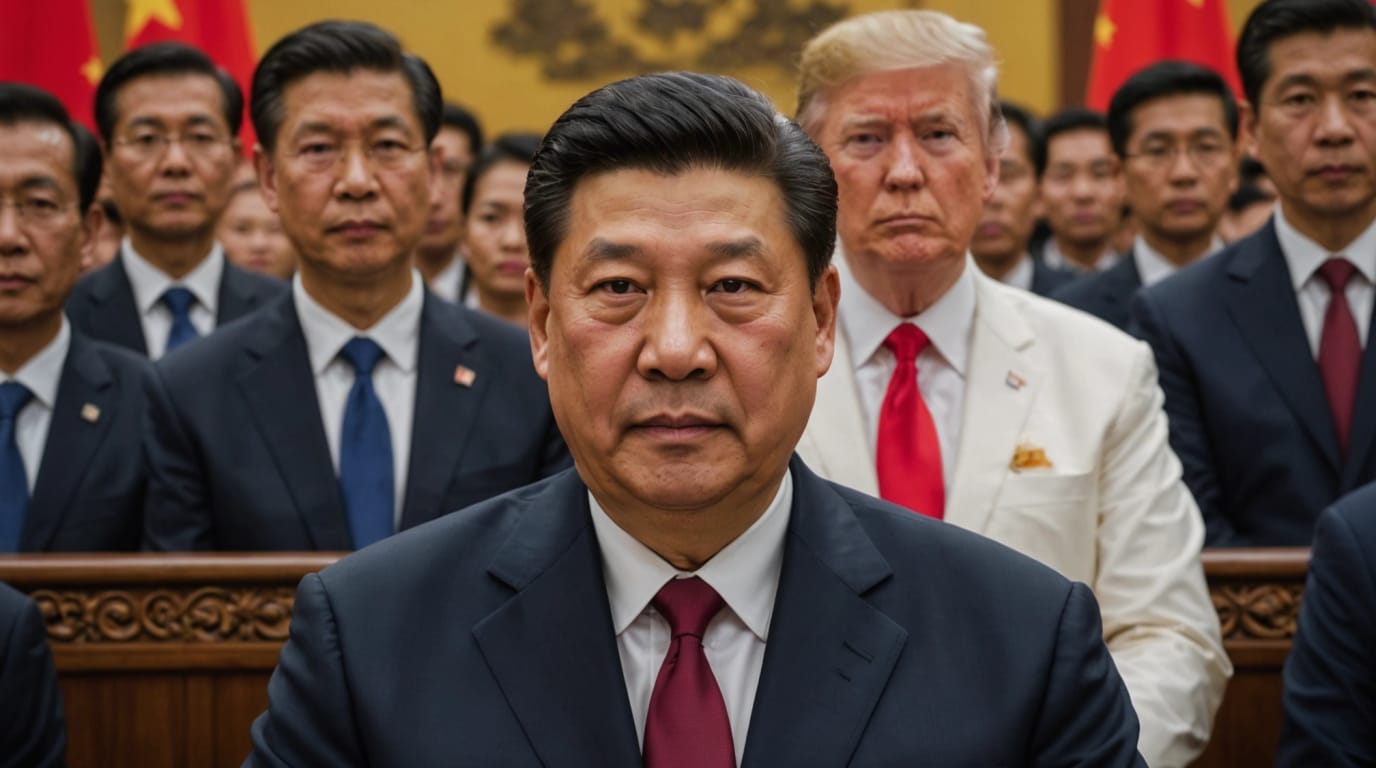
Phnom Penh, Cambodia – Chinese President Xi Jinping concluded a tour of Southeast Asia with a visit to Cambodia on Thursday, April 17, 2025, as trade relations between China and the United States face increasing strain. The visit underscores China's commitment to strengthening ties with regional allies amidst what some observers are calling a growing trade war with the U.S.
Deepening Ties with Cambodia
Xi's visit to Cambodia, following stops in Vietnam and Malaysia, highlights the deepening relationship between the two nations. Cambodia has long been a staunch ally of China, receiving substantial investment in infrastructure projects and maintaining close political ties. The two countries are celebrating 67 years of diplomatic ties this year. Upon arrival in Phnom Penh, Xi was greeted by King Norodom Sihamoni, with displays of Cambodian and Chinese flags and portraits of both leaders lining the streets.
During the visit, Xi met with Prime Minister Hun Manet and Senate President Hun Sen to discuss strengthening bilateral ties and exchange views on regional and international issues of common interest. The visit is considered a milestone that will further cement the traditional relations of friendship built by the successive leaders of both countries, adding great significance to the ironclad friendship and Comprehensive Strategic Partnership between the two nations.
Economic Cooperation and Trade
Economic collaboration remains a cornerstone of the relationship between China and Cambodia. China is Cambodia's largest foreign investor, funding numerous infrastructure projects, industrial parks, and special economic zones. In 2024, bilateral trade between the two countries reached a record high of over $15 billion, representing nearly 30% of Cambodia's total trade volume for the year.
The China-Cambodia Free Trade Agreement (CCFTA), which took effect in 2022, has significantly enhanced market access for Cambodian agricultural and manufactured goods, thereby bolstering bilateral trade. Under the agreement, China has eliminated tariffs on 97.53 percent of Cambodian exports, while Cambodia has removed tariffs on 90 percent of Chinese imports.
Cambodia's exports to China consist mostly of agricultural products, furniture, jewelry, and garments, while imports from China include raw materials for factories, daily consumer products, food and beverages, vehicles, machinery, construction materials, electronics, pharmaceuticals, and agricultural products.
Infrastructure Development
China has invested billions of dollars in Cambodian infrastructure, including roads, airports, and energy projects. Chinese-built power plants now supply over 60 percent of Cambodia's electricity. Key Belt and Road Initiative (BRI) projects, such as the Phnom Penh-Sihanoukville Expressway and Siem Reap Angkor International Airport, are aimed at spurring economic growth.
Geopolitical Implications and U.S. Trade Tensions
Xi's visit comes at a time of heightened trade tensions between China and the U.S. The U.S. has imposed tariffs of up to 145 percent on Chinese goods, while Beijing has retaliated with tariffs on U.S. products. These tariffs have created a massive trade barrier between the world's two largest economies.
Cambodia has also been affected by U.S. trade policy. The U.S. had implemented a 49% tariff on Cambodian goods, before suspending this policy for 90 days and instead imposing a 10% "baseline" tariff on the country's products in the meantime.
Some observers see Xi's visit to Southeast Asia as a strategic move to counter U.S. influence in the region and position China as a more reliable trade partner. A government historian described the timing of Xi's regional tour as "opportune," characterizing it as a rebuke to the West, particularly following the U.S.'s imposition of reciprocal tariffs.
Cambodia's Foreign Policy
Cambodia aims to maintain an independent foreign policy, diversifying its partnerships and reducing potential risks. While China remains a significant presence with its economic resources, Cambodia also seeks to cultivate relationships with other countries, such as Japan, Australia, and South Korea.
Cambodia adheres to an independent foreign policy based on national interests rather than external pressures. The country is committed to an independent foreign policy of permanent neutrality and non-alignment, based on the principles of international law, the United Nations Charter, the Constitution of Cambodia, and core national interests.
Looking Ahead
Xi Jinping's visit to Cambodia underscores the strong and growing relationship between the two countries. As trade tensions between the U.S. and China continue, Cambodia is likely to benefit from increased Chinese investment and trade. However, Cambodia must also navigate the complex geopolitical landscape and maintain its independent foreign policy to ensure its long-term stability and prosperity.


