Zambia at a Crossroads: Critical Issues Dominate 2026 General Election Landscape
LUSAKA, Zambia – As Zambia gears up for its general election on August 13, 2026, the nation finds itself at a pivotal juncture, grappling with a complex array of economic anxieties, democratic integrity concerns, and persistent social challenges. Voters, totaling approximately 8.7 million, including a majority of women, are poised to determine whether President Hakainde Hichilema's economic reforms warrant a second term or if a re-energized opposition can capitalize on public discontent. The election is set to test Zambia's democratic reputation amidst growing scrutiny of the political environment and the everyday struggles of its citizens.
Zambia’s journey since the 2021 election, which saw Hichilema's United Party for National Development (UPND) come to power after years of opposition, has been marked by both notable progress and significant setbacks. His administration inherited a deeply strained economy, characterized by high inflation, a devalued currency, low investor confidence, and elevated youth unemployment, culminating in a sovereign debt default in 2020. While the government has since achieved a landmark debt restructuring, reduced inflation from 24% to a single digit, and seen foreign direct investment increase, the tangible benefits of these macroeconomic improvements have been slow to reach many ordinary Zambians. This disconnect between national economic indicators and household financial realities forms a central battleground for the upcoming polls, with the cost of living, food prices, and job creation remaining paramount concerns for the electorate.
Economic Realities and the Cost of Living
President Hichilema's first term has been largely defined by efforts to stabilize the economy, and his government points to a series of successes including a debt restructuring agreement under the G20 Common Framework and improved transparency in government procurement. These efforts have garnered praise from international lenders and investors, contributing to a projected economic growth rate exceeding six percent. However, for many Zambians, the daily grind of high living costs persists. Inflation, while significantly reduced from its 2021 peak, continues to impact household budgets, exacerbated by high food prices and widespread power outages resulting from a severe drought in 2024-2025.
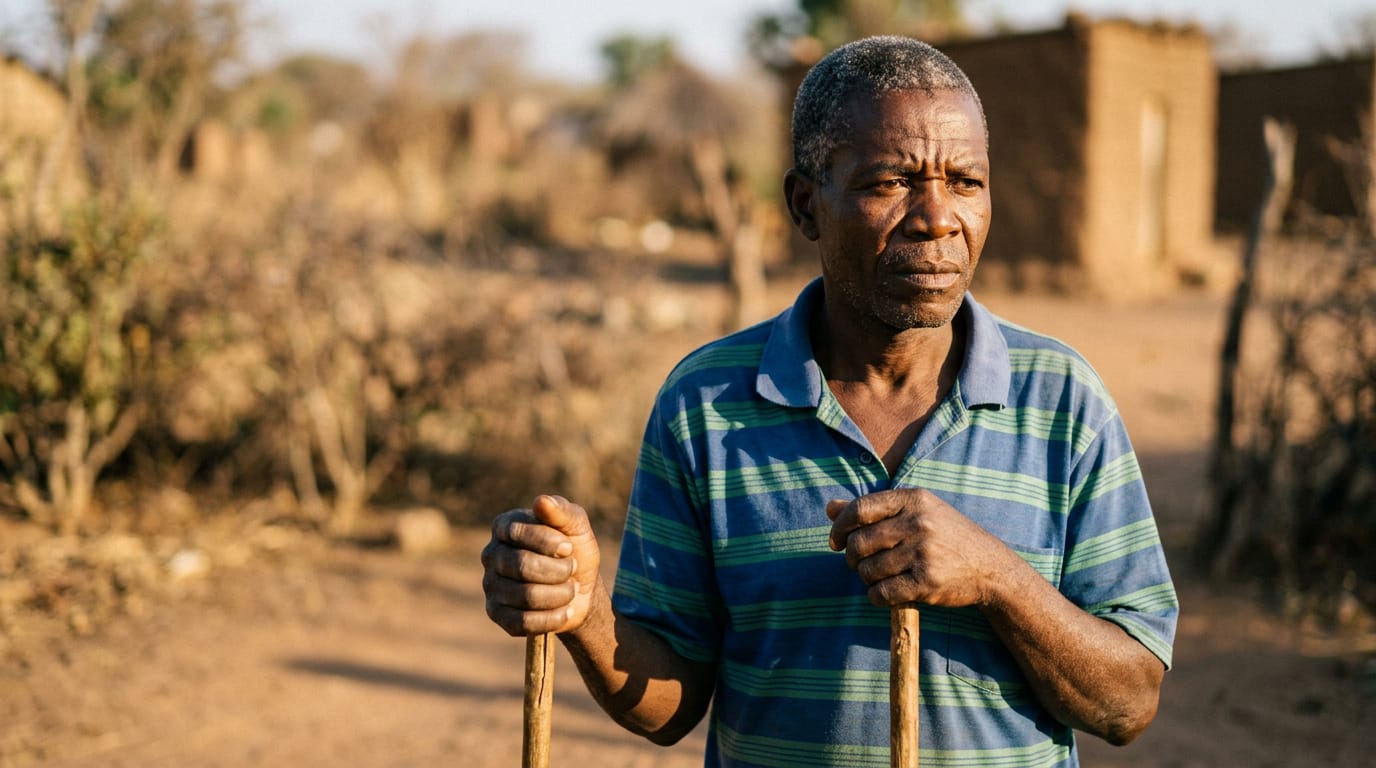
The government's reliance on costly emergency power imports to mitigate blackouts further strains an already tight budget, and critics argue that the economic recovery has been outwardly focused on debt and mining investment, with insufficient attention paid to the immediate concerns of citizens. Poverty levels remain high, with a significant portion of the population living on less than $3 a day, particularly in rural areas, where the impact of the drought on agriculture has been devastating. The challenge for the incumbent party is to convince voters that the macroeconomic stability will eventually translate into improved livelihoods and broader economic inclusion.
Governance, Accountability, and Shrinking Civic Space
Beyond the economic sphere, issues of governance and democratic integrity are under intense scrutiny. Hichilema's administration initially promised democratic renewal, taking steps such as abolishing the law criminalizing defamation of the president and strengthening anti-corruption bodies. Zambia's ranking on Transparency International's Corruption Perceptions Index improved from 117th to 92nd between 2021 and 2024.
Despite these initial reforms, concerns have mounted regarding a perceived shrinking of civic space and increased intolerance of dissent as the election approaches. The government has faced criticism for invoking the Cyber Security and Cyber Crimes Act against online critics and for exerting pressure on independent media outlets. Allegations of politically motivated judicial appointments and one-sided anti-corruption efforts, primarily targeting members of the previous administration, have also raised questions about the impartiality of state institutions. Opposition figures have reported an unprecedented wave of parliamentary candidate withdrawals, with suggestions that some candidates were pressured to step aside, allegedly to secure a two-thirds majority for the ruling party in parliament. These developments pose a critical test for Zambia's long-standing reputation for peaceful democratic transitions.
Electoral Framework and Political Landscape
The framework for the 2026 elections has also undergone significant changes. Constitutional amendments passed in 2025 expanded the National Assembly from 167 to 280 seats, introducing 40 reserved seats for women, youth, and persons with disabilities. While these changes aim to enhance representation, concerns have been raised that some electoral process adjustments, such as altered boundaries and new candidate nomination requirements, could potentially favor the incumbent party.
President Hichilema is seeking re-election against 13 other presidential candidates. His main challenger is Brian Mundubile, leading the Tonse-Pamodzi Alliance, which has regrouped a portion of the fragmented opposition. Early opinion polls suggest Hichilema leads, but the race is tightening, with the opposition aiming to leverage public frustration over the cost of living. The absence of a key mediator like former President Rupiah Banda, who facilitated the 2021 transition and passed away in 2022, underscores the increased importance of regional and international observers in ensuring the credibility of the process.
Social Welfare and Children's Voices
Underlying the political and economic debates are deep-seated social issues. Poverty remains a fundamental obstacle, impacting access to quality education, healthcare, nutrition, and protection for many Zambian children. While the UPND government has implemented policies such as free primary and secondary education and significantly increased the Constituency Development Fund (CDF) to support local projects, the quality and accessibility of these services vary.
In a poignant display of civic engagement, Zambian children presented a National Children's Manifesto to political parties, highlighting their concerns about inadequate learning materials, unsafe facilities, poor healthcare, and issues of violence and child marriage. Their call for peaceful, child-sensitive elections and investments in child-focused services serves as a potent reminder that the election's outcome will profoundly shape the future of Zambia's youngest citizens.
Conclusion
Zambia's 2026 general election is shaping up to be a defining moment for the Southern African nation. The administration's macroeconomic achievements are undeniable, yet the challenge lies in translating these gains into tangible improvements for the majority of citizens struggling with daily economic pressures. The integrity of the democratic process, particularly concerns surrounding civic space and electoral fairness, will be closely watched by domestic and international observers. As Zambians head to the polls, their votes will not only decide the next government but also send a clear message about their priorities for economic justice, democratic accountability, and a more equitable future for all.


