Zambian Democracy Under Scrutiny as Mundubile Challenges Hichilema's Re-Election
Lusaka, Zambia – Zambia's political landscape is bracing for a significant legal battle as Brian Mundubile, leader of the National Reconciliation Party for Unity and Prosperity (NRPUP), has formally rejected the results of the recent 2026 presidential election and announced his intention to petition the Constitutional Court. This challenge to President Hakainde Hichilema's re-election for a second term plunges the nation into a period of uncertainty, testing the robustness of its electoral dispute resolution mechanisms. The move sets the stage for high-stakes proceedings that will undoubtedly captivate both domestic and international observers.
President-Elect Hakainde Hichilema, representing the United Party for National Development (UPND), was declared the victor by the Electoral Commission of Zambia (ECZ) with 2,965,326 votes, translating to approximately 60% of the total ballots cast. Mundubile, his closest contender, garnered 1,856,217 votes, roughly 38%. While Hichilema has accepted his re-election and thanked Zambians for their renewed mandate, Mundubile's rejection signals a deep distrust in the integrity of the electoral process, prompting a legal challenge that could have far-reaching implications for the country's democratic future.
Allegations of Widespread Irregularities Fuel Petition
Mundubile's legal team is preparing to present a litany of grievances to the Constitutional Court, citing what they describe as "gross rigging and irregularities" that undermined the fairness of the polls. Among the key allegations are serious concerns regarding ballot security violations, instances of ballot stuffing, and questionable practices in the transportation and handling of electoral materials. The NRPUP also claims to possess evidence of extensive discrepancies between vote counts recorded at polling stations and the figures subsequently announced by the national totalling center.
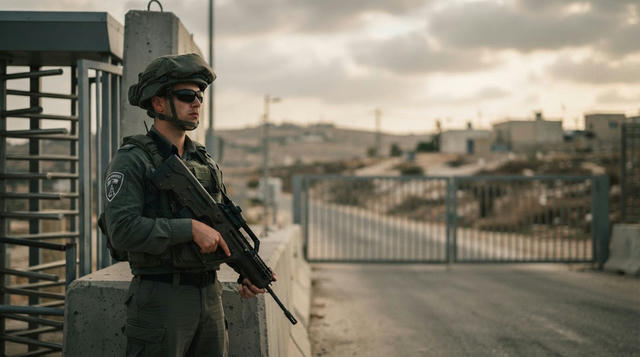
A particularly contentious accusation involves the alleged "active role of the military" in facilitating raids and invasions of totalling centers, where crucial audit documents were reportedly confiscated and election results altered. Mundubile's camp argues that such military involvement at polling stations directly contravenes international democratic principles, including the African Charter on Democracy, Elections and Governance (ACDEG), to which Zambia is a signatory, and undermines the fundamental integrity of the election.
The Legal Gauntlet: Zambia's Electoral Dispute Process
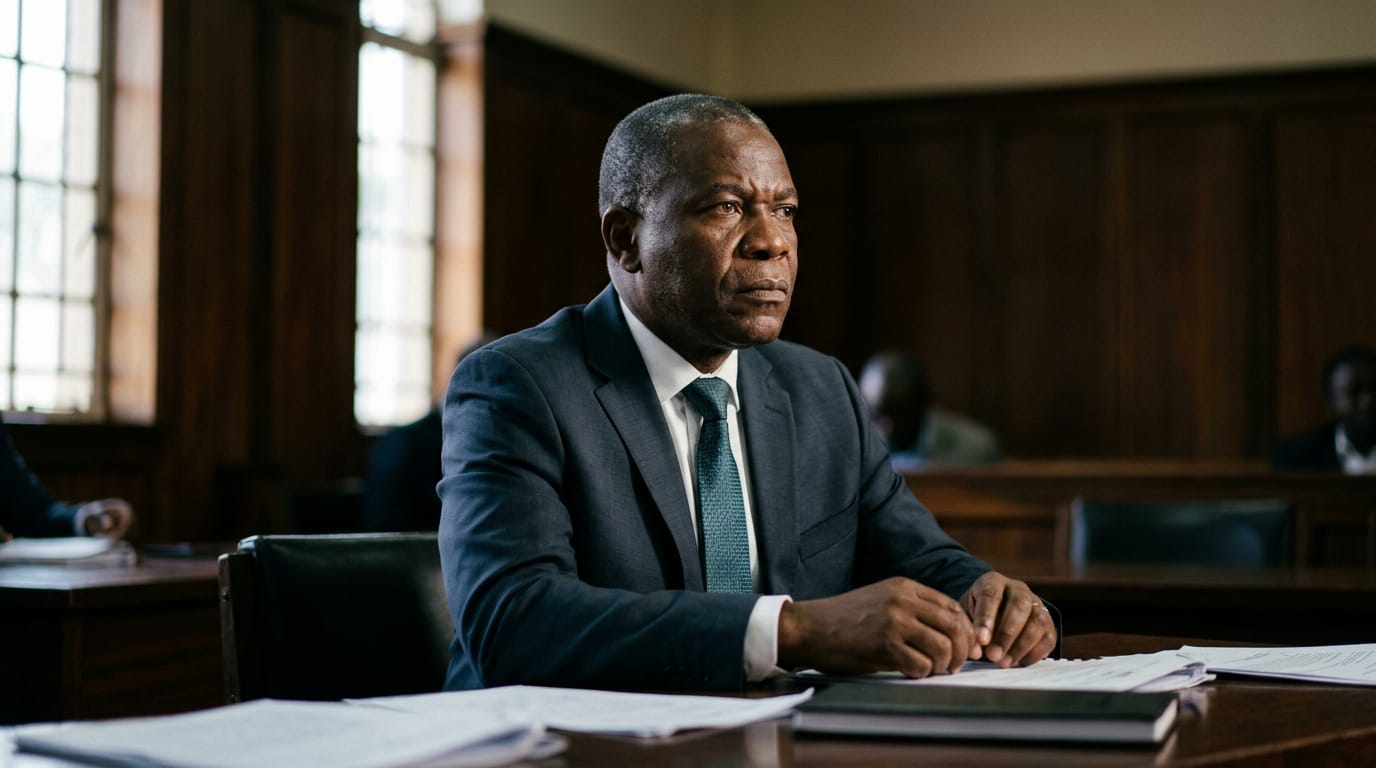
Challenging a presidential election in Zambia is a stringent and time-sensitive process, governed by the Constitution and the Electoral Process Act. According to Zambian law, presidential election petitions must be lodged with the Constitutional Court within seven days of the election results being declared. The court is then mandated to hear the petition within 14 days of its filing. The legal framework permits the nullification of a presidential election if it is proven that the elected candidate was not validly elected or if there was a non-compliance with constitutional or other legal provisions relating to presidential elections.
The Constitutional Court possesses the authority to either uphold the election results, declare them null and void, or even disqualify a candidate. Such high-stakes cases demand compelling evidence, which petitioners must present in affidavit form to substantiate claims of electoral malpractices or misconduct. The strict timelines underscore the judiciary's role in providing swift resolution to electoral disputes, a critical component for maintaining national stability.
Echoes of Past Electoral Contests and Future Implications
This is not the first time Zambia has faced an electoral challenge of this magnitude. The 2021 general election, which saw Hakainde Hichilema unseat incumbent Edgar Lungu, also experienced an election petition. While Lungu initially questioned the results, citing violence in some provinces and issues with polling agents, he ultimately conceded defeat in a televised statement, congratulating Hichilema. That election, held amid an economic crisis and COVID-19 restrictions, concluded with a peaceful transfer of power, largely affirming Zambia's democratic credentials.
The current petition by Mundubile, however, raises distinct concerns, particularly regarding the alleged military interference. The specific nature of the accusations points to a perceived systemic breach of electoral conduct. The outcome of this legal challenge will serve as a crucial test for the independence and impartiality of Zambia's judiciary. It will also inevitably contribute to establishing new legal precedents within the country's electoral jurisprudence.
Navigating the Path Ahead: A Test for Democratic Institutions
As Zambia awaits the unfolding of this legal drama, the nation stands at a critical juncture. The resolution of Mundubile's petition will not only determine the legitimacy of President Hichilema's second term but also significantly influence public trust in democratic institutions. The transparency and fairness with which the Constitutional Court handles the case will be paramount in either reinforcing or undermining faith in Zambia's electoral processes. Observers, both within Zambia and globally, will be watching closely to see how the country's democratic framework withstands this latest challenge. The ability of the legal system to address the serious allegations raised, and to do so within the prescribed constitutional timelines, will be vital for the continued stability and democratic health of the southern African nation.