Zambia's Democratic Test: A Nation at a Crossroads Following Contentious Polls
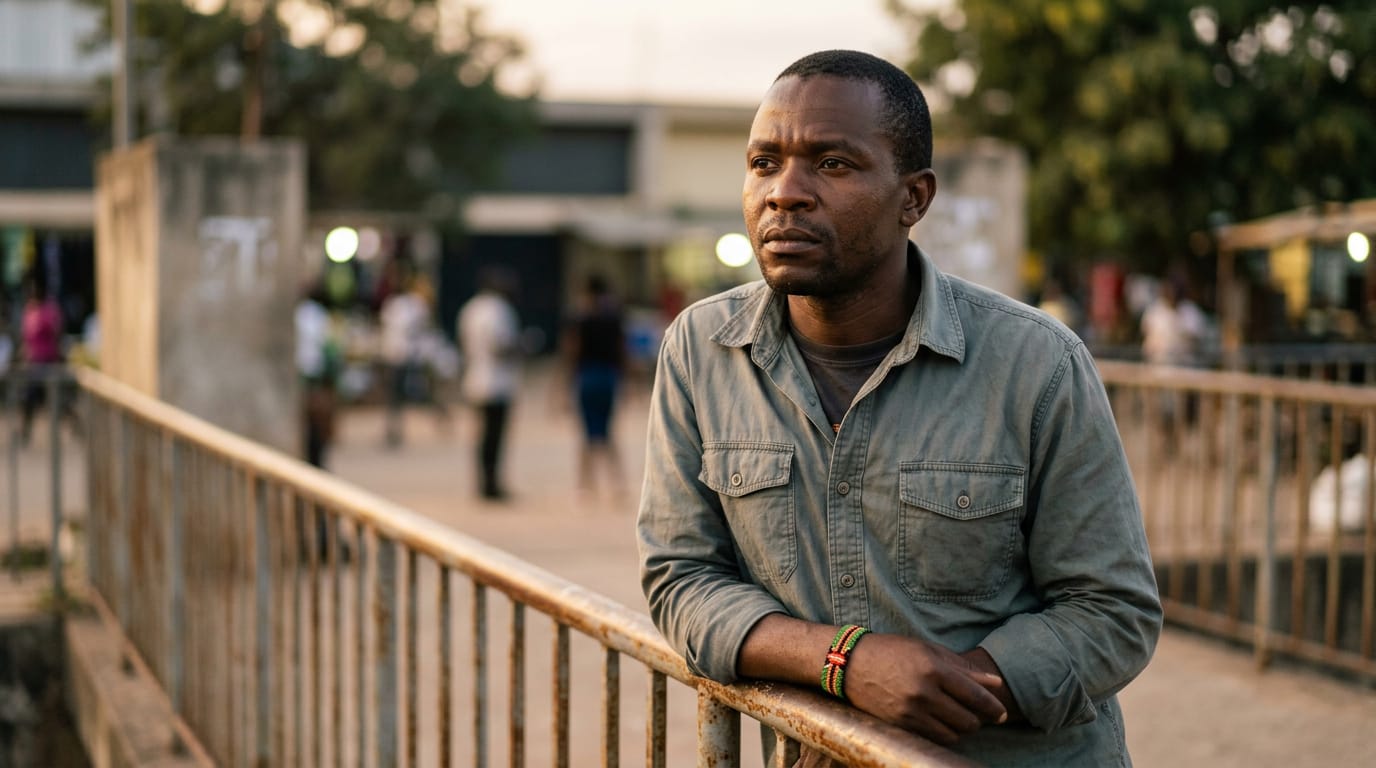
LUSAKA, Zambia – Zambia, long considered a bulwark of democratic stability in Southern Africa, finds its democratic credentials under intense scrutiny following the recent general election held on August 13, 2026. While incumbent President Hakainde Hichilema secured a decisive second term, the electoral process and its aftermath have cast a shadow over the nation's political landscape, raising concerns about the integrity of its institutions and the future of its pluralistic system. The election, which saw Hichilema garner 60.5% of the vote against challenger Brian Mundubile's 37.8%, concluded with a strengthened mandate for the ruling United Party for National Development (UPND) but simultaneously triggered a wave of accusations regarding an uneven playing field and post-election crackdowns on the opposition. This pivotal moment places Zambia at a critical juncture, testing the resilience of its democracy in the face of political contention and human rights concerns.
President Hichilema's victory delivered him a second five-year term, marking a significant win for the UPND. The party also achieved a substantial majority in the expanded National Assembly, with 138 directly elected seats and an anticipated 24 of the 40 proportional representation seats, bringing their total to approximately 160 seats, or 62% of the legislative body. This outcome suggests a powerful endorsement for the president, potentially providing fewer institutional checks on his power as he enters his final term. However, the triumph was achieved with a notably lower voter turnout, approximately 57% of registered voters participated, a considerable decrease from the 70% observed in the 2021 election that brought Hichilema to power. This decline in participation hints at underlying voter frustrations, possibly linked to the high cost of living and perceived unequal conditions during the election campaign.
Concerns surrounding the fairness of the electoral process began to surface even before ballots were cast. Several election observers, including missions from the European Union (EU), the Southern African Development Community (SADC), and the African Union-Common Market for Eastern and Southern Africa (AU-COMESA), noted that while the voting itself was largely peaceful, the playing field was uneven. Critics highlighted the Constitutional Amendment Act No. 13 (2025), which led to the creation of a new 226-seat parliamentary map. The allocation of new constituencies, many of which were reportedly in UPND-leaning rural areas, was approved just three months prior to the election, leading to accusations that these changes disproportionately benefited the ruling party. Furthermore, last-minute alterations to electoral law and a fragmented opposition are cited as factors that contributed to the predictable election outcome. These developments have fueled suspicions of manipulation and fraud, leading to a tempering of what might otherwise have been a celebratory moment for the ruling party.
The post-election period has been marked by a deeply troubling escalation of tensions and a crackdown on opposition figures, further deepening Zambia's political crisis. On August 14, just a day after the polls, Zambian security forces raided a property in Lusaka, resulting in the death of former transport minister Mutotwe Kafwaya, an event that has raised serious human rights concerns. Eleven individuals, including senior opposition figures, were arrested and subsequently charged with treason, accused of possessing military-grade weapons and planning an armed insurrection. Opposition leader Brian Mundubile, who denied the claims, is reportedly in hiding and also faces treason charges. Adding to the escalating crisis, access to courts was reportedly sealed off as the deadline for filing legal challenges to the election results approached, effectively limiting avenues for redress for those questioning the integrity of the count. This series of events has drawn comparisons to Hichilema's own past, having been imprisoned on treason charges in 2017 under the previous administration, an irony not lost on observers of Zambian politics.
Zambia has historically been celebrated as a democratic success story in Africa, with a record of six presidents from three different parties since the advent of multi-party democracy in 1991. President Hichilema's initial victory in 2021 was widely hailed as a triumph for democracy, characterized by high voter turnout and a peaceful transfer of power despite attempts by the then-incumbent, Edgar Lungu, to dispute the results. That election underscored the robustness of Zambia's civil society and a popular desire for change, particularly concerning economic downturns, youth unemployment, and corruption. However, the current situation presents a stark contrast to that hopeful period. The perceived authoritarian approach to solidify support, coupled with the lag between economic reforms and tangible improvements in living standards for many Zambians, has created a fertile ground for discontent. As Hichilema embarks on what will be his last term, the battle for his succession is anticipated to begin soon, setting the stage for continued political maneuvering and potential instability.
In conclusion, while President Hichilema has secured another term with a strong mandate, the process leading to and following the August 2026 polls has presented a significant test for Zambia's democratic reputation. The concerns raised by election observers, the allegations of an uneven playing field, and the severe post-election crackdown on opposition figures have cast a long shadow over the outcome. Zambia's position as a beacon of democracy in Southern Africa hinges on its ability to uphold the integrity of its institutions, protect civic freedoms, and ensure that all citizens, regardless of political affiliation, have confidence in the rule of law. The coming years will reveal whether the nation can navigate these challenges to reinforce its democratic foundations or if the recent events signify a troubling shift in its political trajectory.