Zelenskyy Alive: Latest Claims of His Demise Debunked Amidst Ongoing Disinformation Warfare
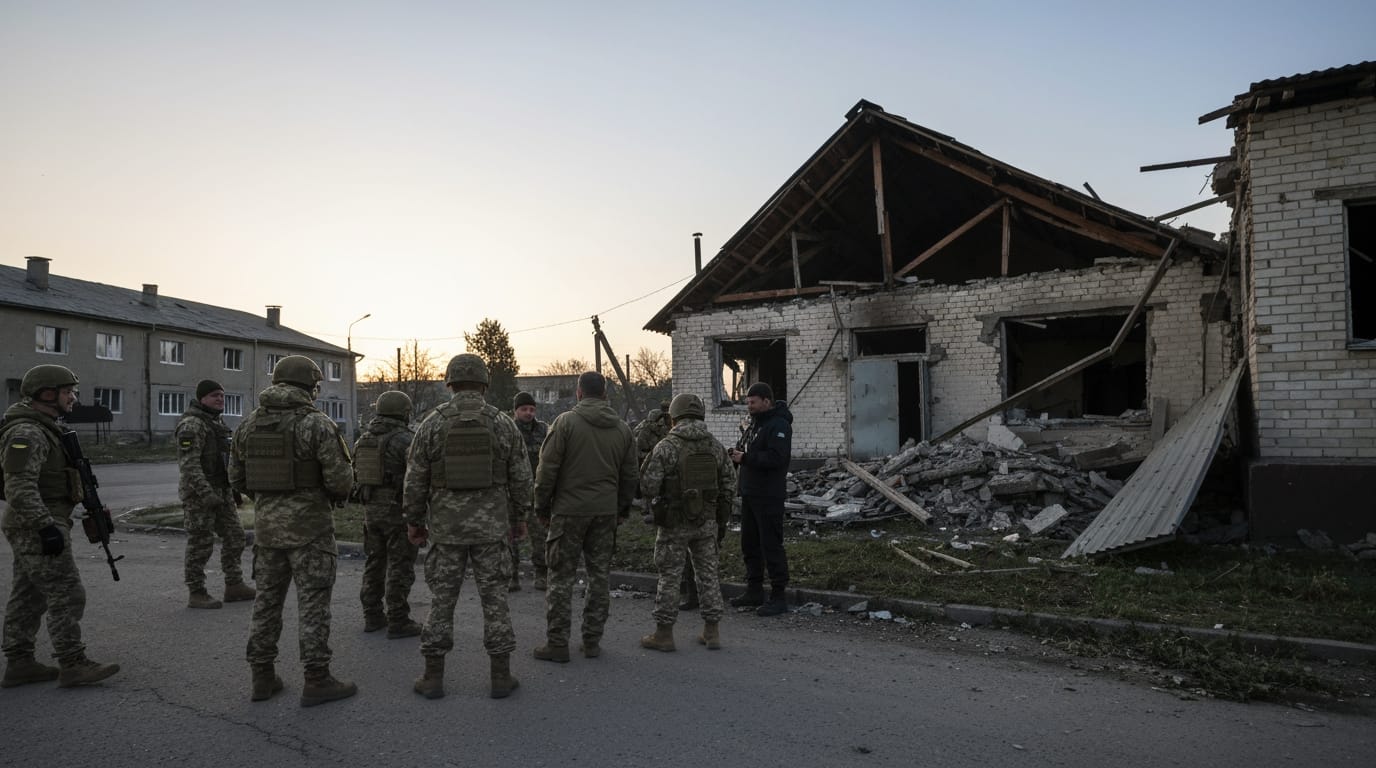
Kyiv, Ukraine – Reports claiming Ukrainian President Volodymyr Zelenskyy was killed in a Russian airstrike are unequivocally false, part of a persistent pattern of disinformation aimed at sowing confusion and undermining morale. These latest rumors, which began circulating in late June 2026, have been swiftly debunked by the Ukrainian leader's continued public appearances and statements, serving as a stark reminder of the information battlefront that runs parallel to the physical conflict.
The longevity and intensity of the conflict in Ukraine have created fertile ground for widespread propaganda and falsehoods. Claims regarding the Ukrainian president's death or incapacitation have become a recurring feature of this information war, often surfacing during critical junctures or periods of heightened hostilities. The recent assertions, propagated across various online platforms, represent another orchestrated attempt to destabilize public perception and cast doubt on the steadfastness of Ukraine's leadership.
The Anatomy of a Recurring Hoax
The latest iteration of the "Zelenskyy killed" hoax gained traction around June 20, 2026, with sensationalist headlines and social media posts alleging the president's demise in a Russian bombing. These reports often lacked specific details, relying instead on vague references to intensified Russian offensives and purported "breaking news" from unverified sources. The goal of such claims is typically to trigger panic, erode trust in official communications, and create an impression of chaos within the Ukrainian government.
Disinformation campaigns frequently leverage the speed and reach of social media, where unverified claims can spread globally within minutes. The current geopolitical landscape provides a conducive environment for such narratives to flourish, making it challenging for the public to discern truth from fabrication without careful scrutiny. This particular rumor, like its predecessors, was disseminated without credible evidence, relying solely on speculative and often emotionally charged language to gain traction.
Undeniable Proof of Life and Public Action
Despite the claims, President Zelenskyy has maintained a visible and active public presence. Recent reports confirm his continued engagement in official duties, directly refuting the death hoax. For instance, in a notable public action around the time these rumors emerged, President Zelenskyy was reportedly involved in returning Poland's highest state award. This act, reportedly a consequence of a politically charged dispute over World War II history, was communicated through a post on X (formerly Twitter) by Zelenskyy himself, accompanied by photographic evidence of the order and proof of postage. Such public actions and direct communication channels serve as immediate and verifiable counter-evidence to any claims of his incapacitation or death.
This is not an isolated incident of Zelenskyy publicly dispelling rumors. Throughout the conflict, he has frequently utilized video addresses and social media to directly counter false narratives, often filming himself from within Kyiv to demonstrate his presence and leadership. These consistent and verifiable public appearances are critical in battling the spread of disinformation, providing tangible proof of his well-being and active role in governing the nation.
A Pattern of Wartime Deception
The recent death hoax is part of a larger, well-established pattern of disinformation targeting President Zelenskyy and the Ukrainian government. Earlier in the conflict, similar false reports emerged, including claims that Zelenskyy had fled Kyiv or that his office had been destroyed in a missile strike. In October 2022, for example, social media accounts aligned with Russia propagated the baseless claim that President Zelenskyy's office was among the buildings demolished by a barrage of missile strikes in Ukraine's capital.
Fact-checking by independent journalists and organizations, such as the Associated Press, quickly disproved these allegations. AP reporting from the ground in Kyiv confirmed that the presidential office building remained intact and was not struck. Furthermore, President Zelenskyy himself filmed a video address outside the undamaged building following those attacks, directly refuting the false narrative. These repeated attempts to fabricate attacks on the president or his immediate surroundings underscore a deliberate strategy to undermine confidence in Ukrainian leadership and create a false perception of vulnerability.
President Zelenskyy has also been vocal in identifying and challenging disinformation originating from the opposing side. He has, for instance, dismissed claims by Russia regarding alleged drone attacks on President Putin's residence as "fake news," designed to derail ongoing diplomatic efforts. This demonstrates his acute awareness of the information war and his consistent efforts to clarify facts amidst a fog of misinformation.
The Broader Implications of Information Warfare
Such disinformation campaigns serve multiple strategic purposes beyond simply confusing the public. They aim to demoralize Ukrainian forces and citizens, create internal divisions, and potentially influence international support for Ukraine by portraying its leadership as unstable or compromised. For Russia, these narratives can also serve to justify its military actions by painting Ukraine as chaotic or its leadership as unreliable.
The persistent nature of these hoaxes highlights the critical role of media literacy and responsible consumption of information during wartime. Citizens and international observers are continually urged to rely on verified sources, official statements, and credible news organizations when seeking updates on the conflict. The rapid spread of unverified content can have real-world consequences, impacting decision-making, public sentiment, and even contributing to further instability.
Conclusion: Verifying Truth in a Digital Age
The latest false reports of President Zelenskyy's death serve as a potent reminder of the pervasive and manipulative nature of modern information warfare. Despite continuous efforts to fabricate his demise or destabilize his government through false narratives, President Zelenskyy remains actively engaged in leading Ukraine. His consistent public visibility and direct communication efforts continue to be vital tools in countering these sustained disinformation campaigns.
In an era where false information can travel faster than the truth, the responsibility falls on individuals and institutions alike to exercise caution and verify facts through credible channels. The resilience demonstrated by President Zelenskyy in the face of these repeated hoaxes mirrors the broader resilience of Ukraine in resisting aggression, both on the battlefield and in the digital realm. The war on truth, much like the physical conflict, demands vigilance, critical thinking, and a steadfast commitment to accuracy.


