Zelenskyy Calls for Direct Talks with Putin to End Prolonged Conflict
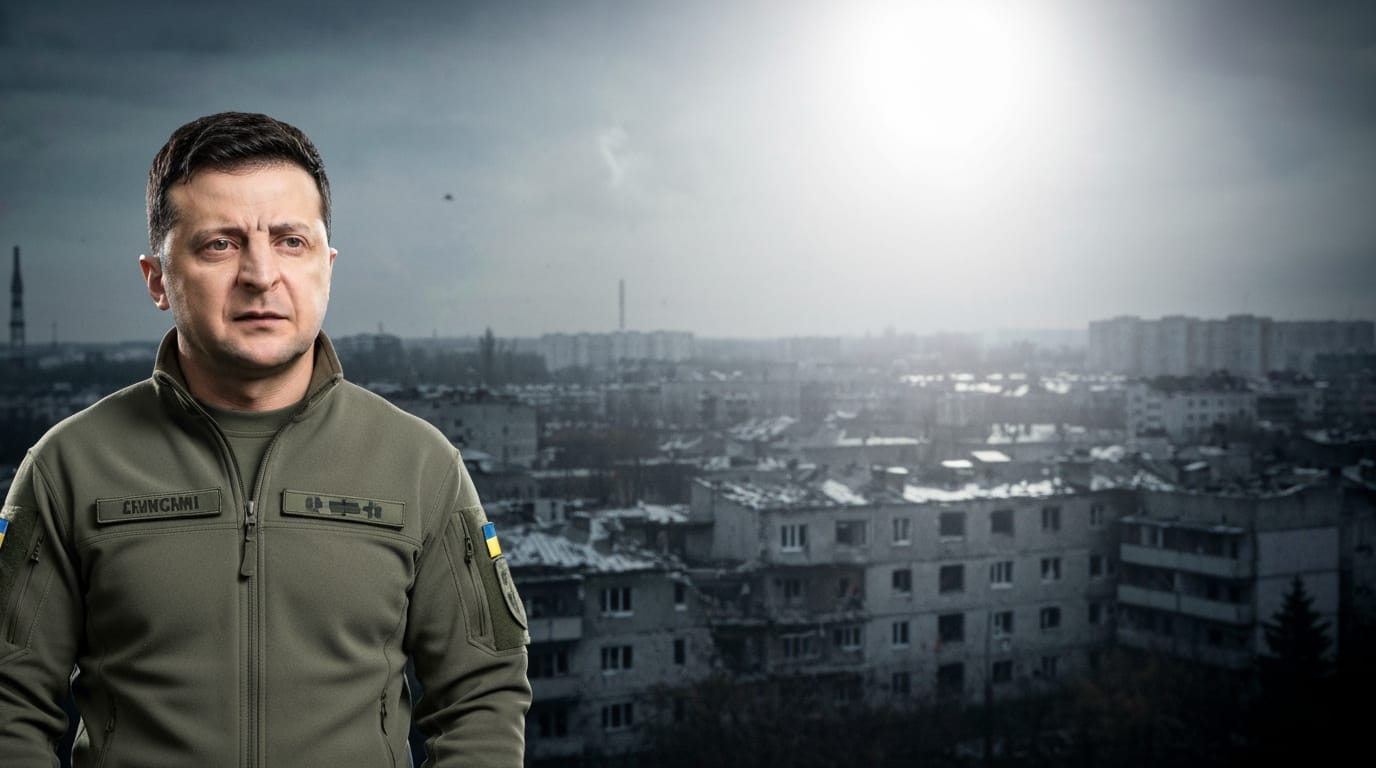
Kyiv, Ukraine – Ukrainian President Volodymyr Zelenskyy has issued a direct appeal to Russian President Vladimir Putin, proposing a face-to-face meeting to broker an end to the protracted war that has gripped the region for over four years. The unexpected overture, delivered via an open letter published Thursday, June 4, outlines specific conditions for de-escalation and potential avenues for a lasting peace, marking a significant, albeit challenging, diplomatic initiative in a conflict characterized by persistent hostilities and entrenched positions.
A Direct Appeal Amidst Shifting Dynamics
President Zelenskyy's proposal, detailed in a letter posted on the Office of the President's website, emphasizes the necessity of direct engagement between the two leaders to resolve the ongoing crisis. He explicitly ruled out meeting in either Moscow or Kyiv, suggesting neutral venues such as Switzerland, Türkiye, or countries within the Arab world as suitable locations for negotiations. The Ukrainian president highlighted that leaders are ultimately responsible for resolving such critical issues, asserting the time for direct dialogue has arrived.
The letter arrived as Ukraine has reportedly begun to gain some battlefield leverage, largely attributed to improved long-range strike capabilities that have complicated Russia's military advances. Despite these tactical gains, Kyiv continues to face significant challenges, including an intensified aerial campaign by Moscow. Russian forces have increasingly relied on ballistic missile attacks to exploit Ukraine's vulnerabilities and shortages. Ukrainian intelligence suggests Russia may be planning to prolong the conflict into 2027 or 2028, further underscoring the urgency of a diplomatic breakthrough. Zelenskyy's letter also contained a strong critique of President Putin's 26 years in power, accusing Russia of increasing reliance on North Korea and China for support, and attempting to destabilize the situation around Transnistria and involve Belarus more deeply in the conflict.
Conditions for Peace and Ceasefire Proposals
Central to Zelenskyy's proposal are several concrete steps aimed at building trust and facilitating a conducive environment for negotiations. He called for a full ceasefire to be implemented for the duration of any talks, citing this as standard practice in diplomatic processes. To ensure adherence to such a truce, he suggested that international partners, including the United States, could play a role in monitoring the ceasefire along the line of contact. Beyond an immediate cessation of hostilities, the Ukrainian president proposed an "all-for-all" prisoner-of-war exchange as a significant confidence-building measure. He also stressed the importance of taking serious steps to secure the return of civilians and children displaced or taken from Ukrainian territory during the conflict.
The letter underscored Ukraine's resolve, with Zelenskyy stating that if Putin chose not to pursue a settlement, Ukraine would continue to fight for its existence. He also cautioned that a failure to engage in talks would force Russia to "fight much harder for your own existence — not Russia's, but your own," implying growing domestic and international pressures on the Kremlin. This strong stance reflects Kyiv's determination to maintain its sovereignty while seeking a path to end the devastation of war.
International Reactions and Diplomatic Hurdles
The Kremlin's initial response to Zelenskyy's proposal has been cautious. Dmitry Peskov, the Russian presidential spokesperson, indicated that President Putin had not yet reviewed the open letter but would be briefed on its contents soon. Peskov also reiterated Russia's standing position that President Zelenskyy could travel to Moscow for a meeting at any time, a suggestion that the Ukrainian leader had preemptively dismissed in his letter. The divergent views on a meeting location highlight a persistent diplomatic hurdle, as Kyiv seeks a neutral ground to ensure equitable negotiations.
International stakeholders have also weighed in. Former U.S. President Donald Trump, for instance, commented that a meeting between the two leaders "would be great," suggesting that both sides would need to make compromises to achieve a resolution. This perspective reflects a broader international desire for de-escalation, even as the complex geopolitical landscape, including the U.S.'s shifting focus to other global conflicts, impacts the dynamic. Zelenskyy acknowledged changing U.S. priorities, noting it would be counterproductive to simply wait for the Trump administration to redirect its full attention to the Ukraine war while it remains heavily focused on the Iran conflict.
The Path Forward: Uncertainties and Hopes
The proposal for direct talks injects a new element into the four-year conflict, which has seen repeated cycles of violence, stalled negotiations, and significant human and economic costs. While previous attempts at high-level dialogue have often faltered due to deep-seated distrust and irreconcilable demands, Zelenskyy's direct appeal represents a continued effort by Ukraine to explore all avenues for peace. The call for a clear date for a meeting and a verifiable ceasefire underscores a pragmatic approach to diplomacy, aiming to move beyond rhetoric to concrete steps.
The success of such a meeting, should it materialize, would hinge on both leaders' willingness to genuinely engage in concessions and find common ground on critical issues such as territorial integrity, security guarantees, and the future status of disputed regions. The challenges remain immense, with the historical grievances and the ongoing military operations casting a long shadow over any potential diplomatic breakthrough. The world watches closely to see if this latest overture can shift the paradigm from continued conflict to meaningful peace discussions.


