Zimbabwe Edges Towards Constitutional Overhaul Amid Deep Public Division
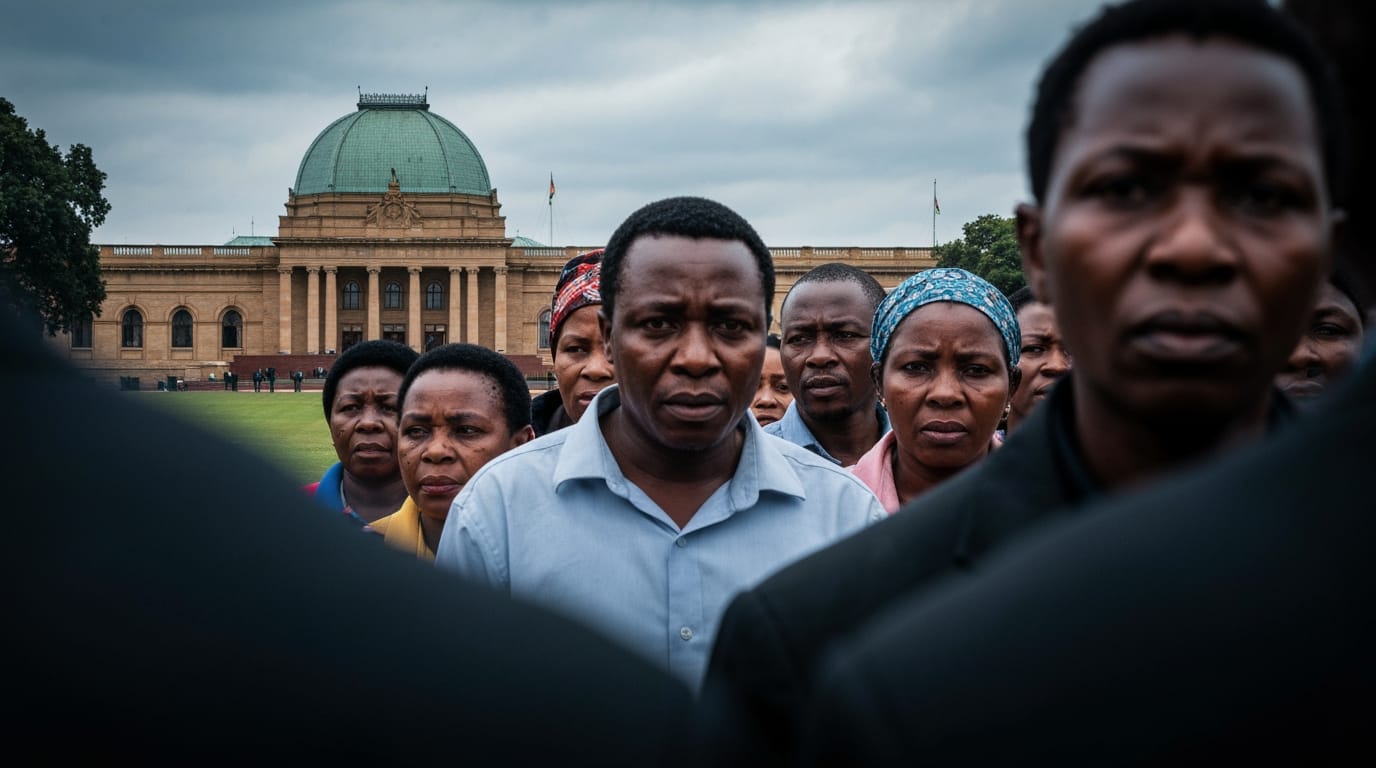
HARARE, Zimbabwe — Zimbabwe is currently grappling with a contentious Constitution Amendment Bill (No. 3), 2026, a legislative proposal that has ignited fervent debate and sharply divided public opinion across the nation. This sweeping bill, which includes significant changes to the country's electoral framework and governance structure, is undergoing public consultations, but is already drawing stark battle lines between the ruling party and a broad coalition of opposition groups, civil society organizations, and religious bodies. The proposed amendments, particularly those related to presidential tenure and selection, threaten to reshape the very foundations of Zimbabwe's democratic process, leading to widespread concerns about the future of accountability and political participation.
Legislative Push for "Continuity" Versus Safeguarding Democratic Principles
The Constitution Amendment (No. 3) Bill, 2026, officially gazetted earlier this year, seeks to introduce several far-reaching alterations to Zimbabwe's supreme law. At its core are proposals to extend the presidential electoral cycle from five to seven years and, controversially, to shift the method of presidential selection from direct popular vote to a parliamentary process. Beyond these high-profile changes, the bill also empowers the President to appoint an additional ten senators, increasing the total to ninety, and proposes establishing a new Delimitation Commission. Further provisions aim to transfer the responsibility for voter registration from the Zimbabwe Electoral Commission (ZEC) to the Civil Registration Department (CRD) and eliminate public interviews for judicial appointments, including those for the Prosecutor General and Attorney General. The bill also reportedly includes the dissolution of constitutional bodies such as the Zimbabwe Gender Commission and the National Peace and Reconciliation Commission, with their functions reassigned.
Proponents of the bill, largely aligned with the ruling ZANU-PF party, argue these amendments are vital for policy continuity, stability, and the efficient implementation of long-term national development plans, such as Vision 2030. They maintain that a longer electoral cycle would reduce the frequency of elections, allowing for sustained focus on governance and economic objectives. Regarding the shift to a parliamentary selection for the president, some argue that a leader chosen by elected representatives still reflects the will of the people, thereby strengthening institutional democracy. Government officials and supportive legal minds have also asserted that many of the proposed structural adjustments do not necessitate a national referendum under Section 328 of the Constitution, particularly as they contend the bill does not alter existing presidential term limits for an incumbent. They frame the bill as a pragmatic correction of operational weaknesses aimed at improving electoral management and legislative effectiveness.
A Chorus of Opposition Voices and Fears of Centralized Power
However, a formidable coalition of opposition parties, civil society groups, legal experts, and even religious organizations has vehemently condemned the proposed constitutional amendments, casting them as a dangerous move towards authoritarianism. Critics warn that the bill risks undermining democratic accountability, centralizing excessive power within the executive, and potentially ushering in a constitutional crisis.
The most significant concerns revolve around the extended presidential term and the shift to parliamentary presidential selection. Opponents argue that removing direct popular elections for the presidency strips citizens of their fundamental democratic sovereignty and weakens the direct link between the electorate and their head of state. They highlight Section 328 of the current constitution, which is designed to prevent term-limit extensions from benefiting the incumbent, and insist that such sweeping changes must be subjected to a national referendum to genuinely reflect the will of the people.
Furthermore, the proposed changes to judicial appointments, which would remove public interviews for judges, are seen as expanding executive influence over critical legal offices, thereby compromising judicial independence. Shifting voter registration responsibilities from the ZEC, which is constitutionally mandated to manage elections, to the Civil Registration Department is viewed as a "retrogressive approach" that could further erode public trust in the electoral process. Concerns are also consistently raised about the bill's failure to address longstanding issues such as diaspora voting rights, the timely and affordable provision of voters' rolls, and ensuring the genuine independence of the Zimbabwe Electoral Commission.
The Zimbabwe Catholic Bishops' Conference and the Zimbabwe Council of Churches have issued strong condemnations, labeling the bill a threat to democracy and launching nationwide education campaigns to inform citizens about its potential implications. They stress that changes which concentrate power and weaken institutional checks and balances pose a profound moral and democratic challenge.
Public Consultations Marred by Allegations of Exclusion
The parliamentary public hearings for the Constitution Amendment (No. 3) Bill, 2026, which commenced on March 30, 2026, have themselves become a flashpoint for contention. While Parliament announced the deployment of eleven teams across the country to gather public input, reports have emerged alleging a lack of inclusivity and an environment of intimidation.
Opposition figures and civil society activists have claimed they were sidelined or denied adequate opportunity to present their views during the consultations. There have been reports of participants being bused in from other areas to specific hearing venues, who then appeared to repeat rehearsed slogans rather than offer independent opinions. Conversely, dissenting voices reportedly struggled to be heard, with some sessions ending abruptly before critics could speak. The Democratic Alliance, a South African opposition party, condemned the arrest of Zimbabwean opposition leader Tendai Biti and other activists in Mutare while campaigning against the amendments, citing this as part of a worrying trend of suppression. Such incidents have drawn criticism from human rights groups, who argue that any perceived intimidation risks undermining the legitimacy of both the consultation process and the proposed legislation.
Despite these allegations, state media and some legislators have highlighted a significant turnout at various public hearings, asserting that this reflects strong public interest and engagement in the constitutional reform process. They maintain that the process is an earnest attempt to ensure citizen participation in shaping national laws.
Historical Context and the Path Ahead
The current debate over the Constitution Amendment (No. 3) Bill, 2026, is not an isolated incident but rather a continuation of Zimbabwe's long-standing struggle with electoral and constitutional reforms. Following the 2018 harmonized elections, international observer missions issued numerous recommendations aimed at strengthening the country's electoral processes. However, previous attempts at reform, such as the Electoral Reform Bill (HB 11, 2022), were widely criticized by civil society as "grossly inadequate" and failing to address fundamental issues necessary for free and fair elections. Constitutional amendments in 2017 and 2021 also drew scrutiny for increasing executive powers, further fueling concerns about the erosion of institutional checks and balances.
As the public consultation phase draws to a close, the bill is set to proceed to parliamentary debate. The ruling party's significant majority in Parliament suggests a high likelihood of the bill's passage. However, the deep divisions it has exposed, coupled with concerns from domestic and international observers, underscore the profound implications for Zimbabwe's democratic trajectory. The outcome of this legislative battle will undoubtedly shape the country's political landscape for years to come, either solidifying a path towards more centralized governance or intensifying the calls for more inclusive and transparent democratic processes. The public's engagement, despite the challenges, indicates a widespread recognition of the profound stakes involved in this constitutional moment.


