Zimbabwe Grapples with Deepening Political Crisis Amidst Coup Fears
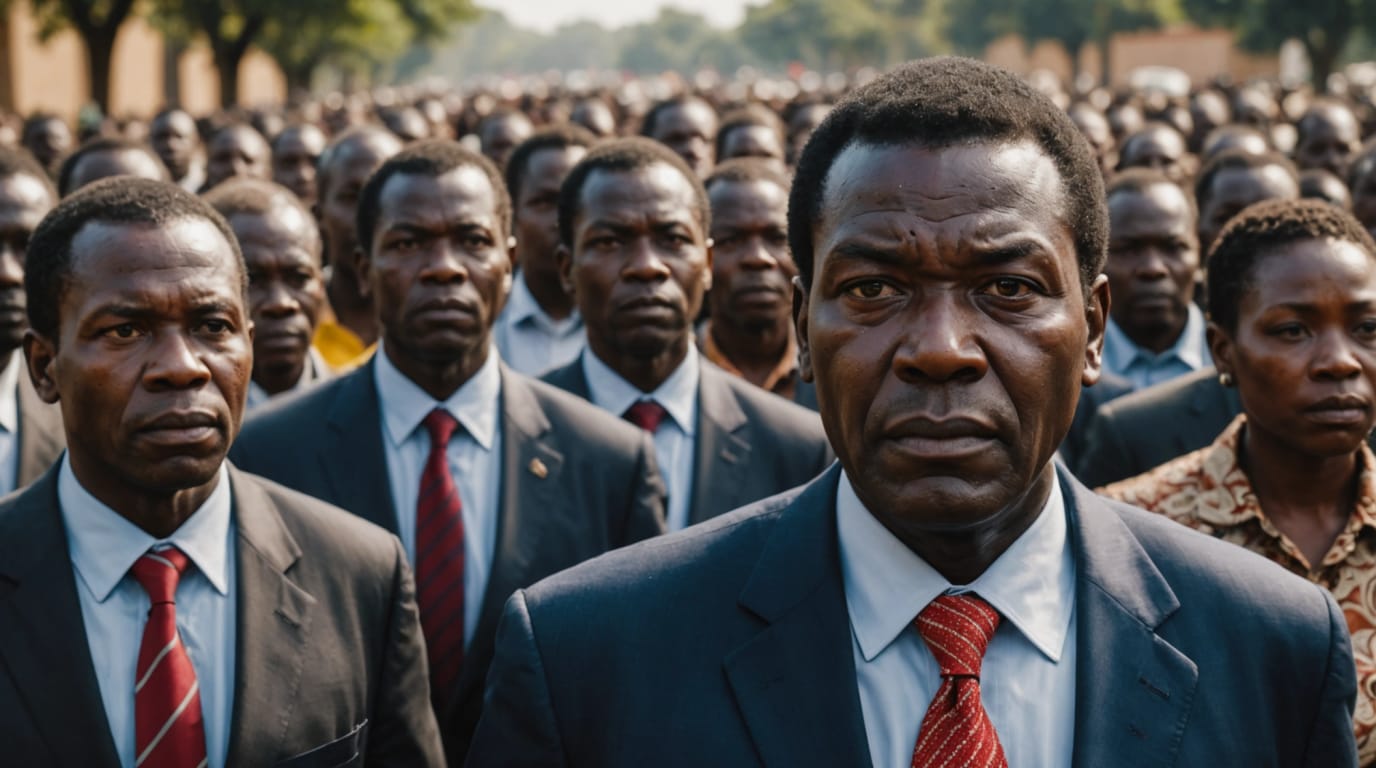
Zimbabwe is currently facing a complex and escalating political crisis, marked by internal power struggles, economic woes, and growing public discontent. President Emmerson Mnangagwa's recent dismissal of key security officials, coupled with rising fears of a coup, has intensified the already tense political climate. The nation is grappling with divisions within the ruling ZANU-PF party, pressure from war veterans, and increasing calls for mass protests, painting a picture of deep instability and uncertainty.
Mnangagwa's Power Play and Coup Concerns
President Mnangagwa's decision to remove top army chiefs, including a high-ranking general, is widely seen as a move to consolidate his power and preempt any potential challenges to his leadership. This bold action comes amidst growing unease within ZANU-PF, with some factions reportedly vying for power and questioning Mnangagwa's leadership. The dismissal of security officials has fueled speculation about a possible coup attempt from within the ruling party, further destabilizing the political landscape.
Adding to the turmoil, war veterans, who have historically been a strong base of support for ZANU-PF, have become increasingly critical of Mnangagwa's leadership. They accuse him of economic mismanagement and harboring ambitions to extend his rule beyond the constitutionally mandated term limits. The war veterans' discontent, combined with opposition calls for nationwide protests, underscores the depth of the political crisis and the challenges facing Mnangagwa's government.
Economic Hardship and Public Discontent
Zimbabwe's political instability is intertwined with a severe economic crisis that has left many citizens struggling to make ends meet. The country is burdened by a massive public debt, soaring unemployment, and rampant corruption, exacerbating the gap between the rich and the poor. Hyperinflation has become a recurring threat, eroding the value of savings and making it difficult for businesses to operate.
The economic hardship has fueled public discontent and amplified calls for political change. Many Zimbabweans are frustrated with the government's failure to address the country's economic woes and are demanding greater accountability and transparency. The Zimbabwe Catholic Bishops' Conference recently issued a pastoral letter lamenting the economic turmoil and calling for justice, renewal, and national introspection.
Factionalism and the Third Term Debate
A key factor driving the political crisis is the intense factionalism within the ruling ZANU-PF party. The debate over whether Mnangagwa should seek a third term in office has deeply divided the party, with different factions vying for influence and control. The "20-30 Movement," a faction within ZANU-PF, is advocating for a constitutional amendment that would allow Mnangagwa to extend his presidency until 2030.
However, this push for an extended term has faced strong opposition from other factions within the party, as well as from the broader public. Recent surveys suggest that a significant majority of Zimbabweans are against Mnangagwa seeking a third term. Despite this widespread opposition, the 20-30 Movement continues to push for an extension, raising the specter of a high-stakes showdown between the pro-extension faction and its critics.
Echoes of the Past and Uncertain Future
The current political crisis in Zimbabwe evokes memories of the 2017 coup that ousted Robert Mugabe, who had ruled the country for nearly four decades. The military's intervention in 2017 paved the way for Mnangagwa to assume power, but it also highlighted the fragility of Zimbabwe's political institutions and the potential for instability.
Some analysts warn that the current tensions could be even more dangerous than those leading up to the 2017 coup, as the Mnangagwa faction is unlikely to relinquish power peacefully. This raises the possibility of violent confrontation, a scenario that many Zimbabweans are desperately trying to avoid. The future of Zimbabwe remains uncertain, with the country facing a complex web of political, economic, and social challenges.
Conclusion
Zimbabwe stands at a critical juncture, grappling with a multifaceted political crisis that threatens to further destabilize the nation. The power struggles within the ruling party, the economic hardship faced by ordinary citizens, and the growing calls for political change have created a volatile environment. Whether Zimbabwe can navigate these challenges and forge a path towards stability and prosperity remains to be seen. The coming months will be crucial in determining the country's future and the fate of its people.


