2026 World Cup: Fan Dreams Confront Cost, Logistics, and Political Hurdles
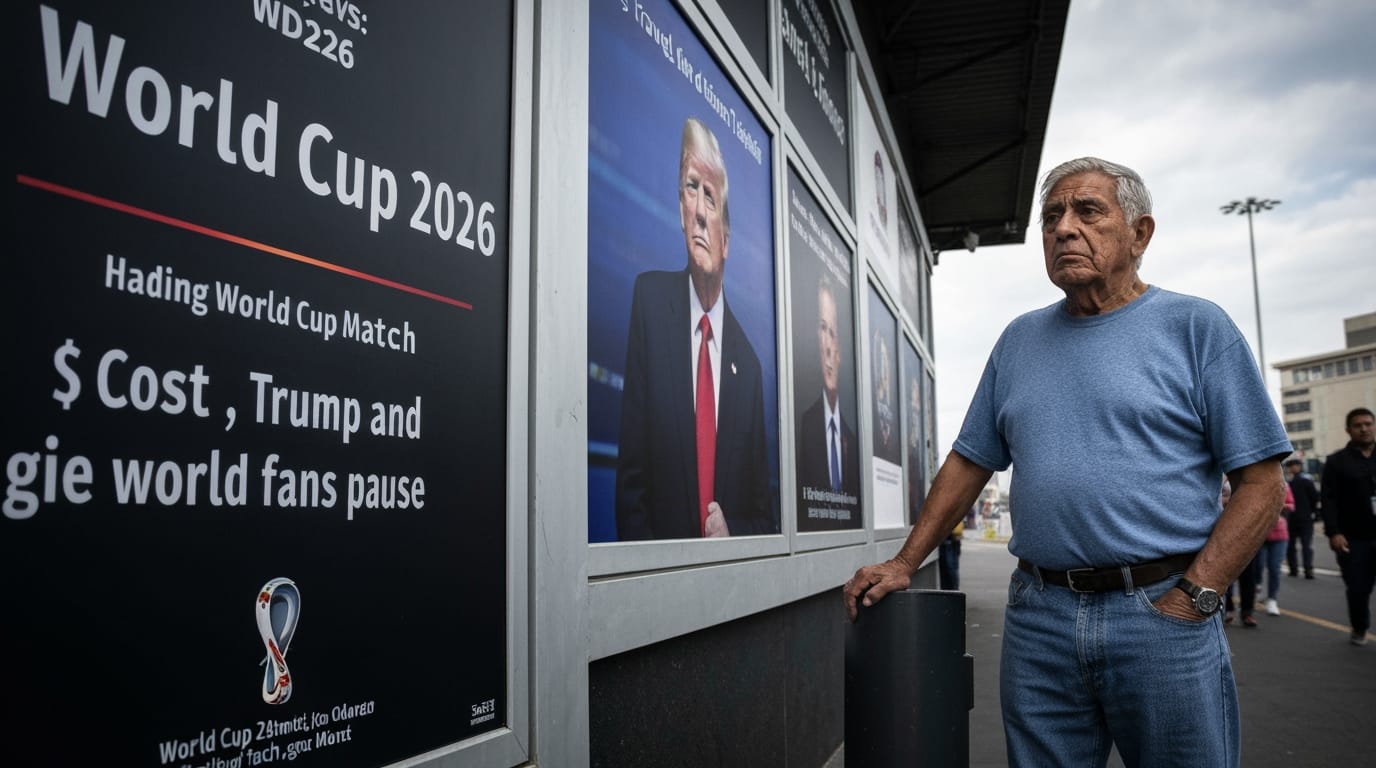
The countdown to the 2026 FIFA World Cup, set to be the largest football spectacle in history, is met with fervent anticipation, yet a complex web of challenges threatens to temper the global celebration for millions of potential attendees. Co-hosted by the United States, Canada, and Mexico, the expanded 48-team tournament promises unparalleled football action across 16 vibrant host cities. However, for international fans, the excitement is increasingly shadowed by concerns over soaring costs, the monumental logistical demands of intercontinental travel, and the specter of stringent U.S. immigration policies. These factors combine to paint a picture of a World Cup that, while grand in scale, may prove prohibitive for many devoted supporters.
The Soaring Cost of Fandom: An "Elitist World Cup"?
The financial burden on fans wishing to experience the 2026 World Cup firsthand is emerging as a significant deterrent. Ticket prices, accommodation, and travel expenses are projected to reach unprecedented levels, sparking outrage among fan groups. European soccer supporters, represented by Football Supporters Europe (FSE) and Euroconsumers, have even filed a formal complaint with the European Commission, accusing FIFA of "abusing its monopoly position to impose excessive ticket prices and opaque and unfair purchasing conditions."
For a fan attending just one match per round—a total of eight games—the cheapest available tickets alone could cost approximately $6,600. Midrange options escalate to around $10,900, with premium packages reaching an estimated $15,700. The cheapest openly available tickets for the final are priced over $3,000, a staggering seven times higher than those for the 2022 World Cup final in Qatar. FIFA's adoption of dynamic pricing, where ticket costs fluctuate based on demand, has further fueled concerns, as there is no clear cap or transparency on how these prices are set. Beyond match entry, accommodation presents another substantial hurdle; hotel prices in host cities have reportedly surged by over 300% since December. Furthermore, internal estimates suggest that even U.S. fans could face some of the highest costs, averaging $3,117 just to follow their team through the group stage, largely due to intercity travel. This confluence of expenses has led some fan associations to label the upcoming tournament an "elitist World Cup," suggesting it risks alienating the average supporter.
Navigating a Continent-Sized Tournament: A Logistical Marathon
The 2026 World Cup is set to be the most geographically expansive tournament ever, with 104 matches spread across 16 cities in three North American nations: the United States, Canada, and Mexico. While this offers a unique trinational experience, it also presents an immense logistical challenge for fans and teams alike. Traveling between host cities often means covering vast distances, sometimes thousands of miles, and crossing multiple international borders and time zones.
Fans can anticipate grueling travel schedules, high costs for flights, and the potential for long layovers and missed connections. For example, a trip between Los Angeles and Seattle spans approximately 808 miles, while New York and Atlanta are 866 miles apart. While major airports in cities like Los Angeles, New York, Dallas, and Atlanta offer international hubs, facilitating travel between regions, the sheer scale necessitates careful planning. Intra-city transportation also poses concerns, as only three of the eleven U.S. stadiums are readily accessible by subway or mass rapid transit, forcing many cities to devise temporary shuttle solutions to manage the influx of millions of fans. Moreover, successfully navigating border crossings between the three host nations will require valid passports, any necessary visas, and sufficient time for immigration checks, as each country operates different systems. Dependence on digital documentation for entry and ticketing means reliable mobile data will be crucial, given that stadium Wi-Fi often proves unreliable with large crowds. Adding to the complexity, host venues in the southern U.S. and Mexico may experience temperatures exceeding 35°C (95°F) in June and July, raising health and comfort concerns for attendees.
Political Headwinds and the Welcome Mat: The "Trump Factor"
Beyond the practicalities of cost and travel, the political climate in the United States, particularly concerning immigration policies, casts a shadow over the tournament's inclusive spirit. The Trump administration's implementation of travel bans and restrictive visa policies has created uncertainty and apprehension among potential international visitors.
Travel bans have been imposed on nationals from 39 countries, largely preventing their fans from entering the U.S. to attend games unless they possessed valid visas issued prior to specific deadlines. Notably, several qualified World Cup teams, including Iran, Haiti, Senegal, and Cote d'Ivoire, are from countries affected by these restrictions. While athletes and team staff may receive exemptions, such waivers are not generally extended to fans or their family members, creating significant barriers. A new policy further complicates matters, requiring B1/B2 visa applicants from 50 countries—including participating nations like Algeria, Cape Verde, and Tunisia—to pay visa bonds ranging from $5,000 to $15,000.
The administration's rhetoric and aggressive interior immigration enforcement have also fostered a climate of fear, leading many international supporters to reconsider travel to the U.S. This apprehension could directly impact the anticipated economic benefits for host cities, which rely heavily on direct visitor spending. Despite assurances from FIFA Vice-President Victor Montagliani that such geopolitical concerns often precede major tournaments and fade once play begins, the current sentiment among many fans suggests a unique level of anxiety for 2026. Concerns have also arisen from President Trump's past threats to potentially relocate games from Democratic-run host cities, adding a layer of political unpredictability, though such a move would be a logistical and legal nightmare for FIFA.
Conclusion: A Tournament of Grand Ambition and Growing Apprehension
The 2026 FIFA World Cup promises to be a landmark event, an unprecedented expansion of the world's most popular sporting competition across three nations. The economic projections are substantial, with FIFA estimating a $40.9 billion boost to North American GDP and hundreds of millions in economic activity for host cities. Yet, as the tournament draws nearer, the narrative is increasingly shaped by the significant hurdles facing the very fans essential to its atmosphere and success. The specter of prohibitive costs, the daunting logistical demands of cross-continental travel, and the chilling effect of U.S. immigration policies collectively threaten to make this World Cup a less accessible and less globally inclusive event than its organizers envision. For many, the dream of following their national team to North America remains, but it is now one tempered by real concerns that could redefine the fan experience for years to come.