WNBA's Landmark Labor Deal Reshapes Landscape for Women's Sports
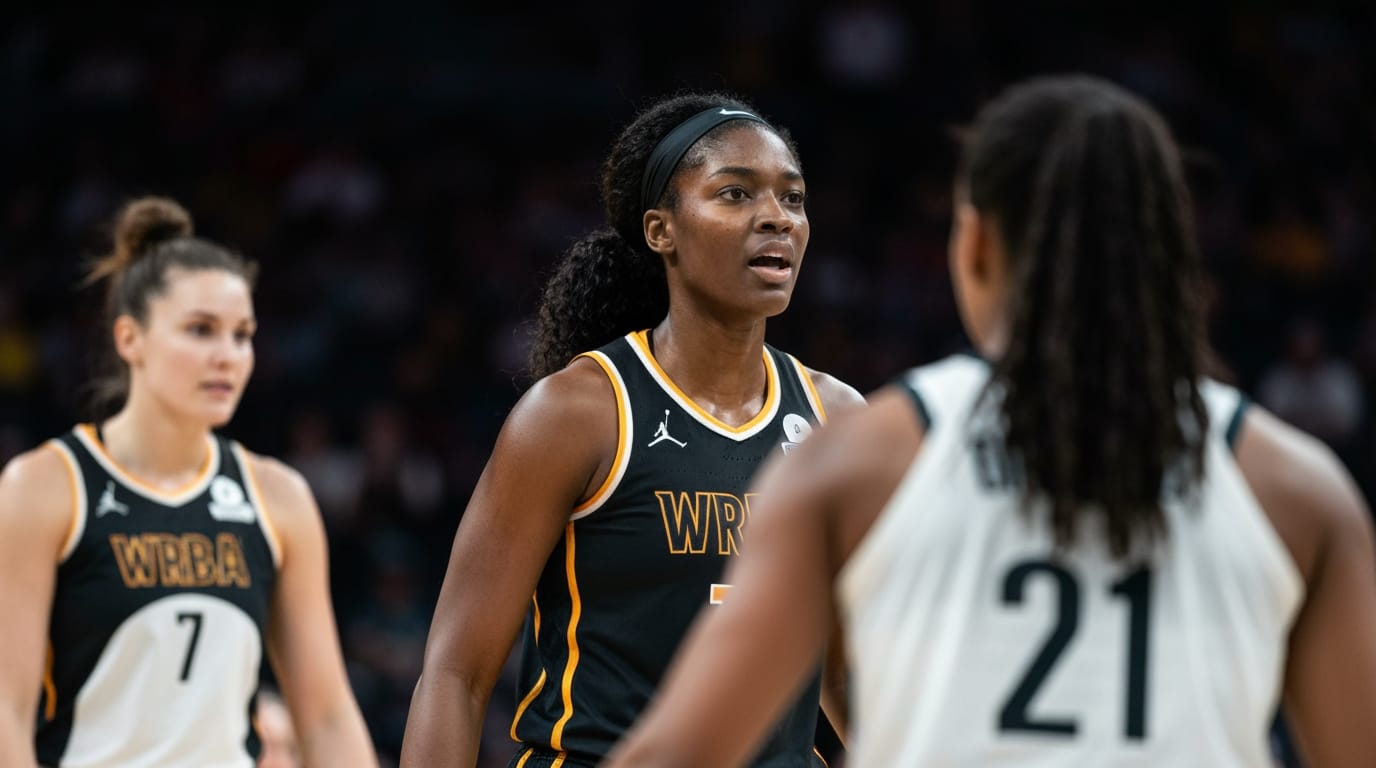
The Women's National Basketball Association (WNBA) and its players' union have formally agreed to a new collective bargaining agreement (CBA) that industry observers are calling a structural transformation for the economics of women's sports. After 17 months of intense negotiations, the seven-year deal, set to run through 2032, introduces a groundbreaking revenue-sharing model and significantly boosts player compensation and benefits, signaling a new era of institutional maturity and financial stability for the league and a potential blueprint for other women's professional sports.
A New Economic Paradigm
At the core of the new CBA is the establishment of the first comprehensive revenue-sharing model in women's professional sports history. Under this system, players will receive approximately 20% of the league's revenue over the life of the agreement, a direct tie to the WNBA's financial growth. This represents a significant departure from previous agreements, which only allowed for revenue sharing after the league met specific financial thresholds. This shift aligns the financial incentives of both the players and the league, fostering a shared commitment to growth and success.
The financial implications for players are substantial, with projections indicating a dramatic increase in earnings across the board. The league's salary cap is set to nearly quadruple, rising from $1.5 million in 2025 to $7 million for the 2026 season. This cap is projected to exceed $11 million by the end of the deal in 2032, reflecting anticipated league growth. For the first time, top WNBA players will be eligible for multi-million dollar contracts, with maximum salaries starting at $1.4 million in 2026 and potentially surpassing $2.4 million by 2032. The average player salary is expected to reach $583,000 in 2026, with the potential to exceed $1 million by the agreement's conclusion. Even minimum salaries will see a significant bump, ranging from $270,000 to $300,000 in 2026 and increasing to $340,000-$380,000 by 2032, a figure that surpasses the supermax salary of the previous agreement. A new provision, dubbed "EPIC," will also allow star players on rookie-scale contracts, such as Caitlin Clark and Paige Bueckers, to renegotiate their fourth-year salaries to a standard max or supermax if they achieve All-WNBA or MVP honors.
Elevating the Player Experience
Beyond direct compensation, the new CBA addresses critical aspects of player welfare and working conditions, aiming to professionalize the experience both on and off the court. A landmark improvement is the codification of league-wide charter air travel, a move that will significantly enhance player comfort and reduce travel-related fatigue over the course of the season. This commitment to charter travel is estimated to cost the league over $300 million throughout the agreement's duration.
Housing, a historically contentious issue, also saw significant adjustments. For the initial three years of the deal (2026-2028), teams will continue to provide housing for all players. In 2029 and 2030, this provision will apply to players earning $500,000 or less, before transitioning to cover only developmental players thereafter. The agreement further mandates investments in team facilities and ensures first-class accommodation for players during league events.
Perhaps most notably, the CBA introduces progressive family planning and maternity leave benefits. These include reimbursement for adoption, surrogacy, and egg freezing or fertility treatment expenses, alongside fully paid maternity leave. Players are now guaranteed 100% of their base salary if they are unable to play due to pregnancy, and new clauses ensure that teams require player consent before trading a pregnant athlete. These provisions reflect a recognition of the unique challenges faced by professional women athletes and underscore a commitment to supporting their careers and personal lives.
A Catalyst for Broader Change
The WNBA's new labor agreement is widely seen as a turning point, not only for basketball but for the broader landscape of women's professional sports. Coming off record-setting seasons in attendance, television ratings, and merchandise sales, coupled with a new 11-year, $2.2 billion media rights deal, the league entered negotiations with significant momentum. This increased leverage allowed players to push for an agreement that truly reflects the league's growing value and popularity.
The deal is expected to alleviate the necessity for many WNBA players to seek additional income by playing overseas during the off-season, enabling them to focus more on rest, training, and player development within the league. This stability and increased compensation can attract even more talent to the WNBA, further elevating the quality of play and enhancing the league's global appeal.
Experts suggest that the WNBA's pioneering revenue-sharing model and comprehensive benefits package could serve as a benchmark for other women's leagues currently navigating their own growth trajectories. The National Women's Soccer League (NWSL) and the Professional Women's Hockey League (PWHL) are among those that could look to the WNBA's framework as they continue to advocate for improved player conditions and compensation.
The Path Ahead
While the new CBA represents a monumental leap forward, the journey for women's sports continues. The agreement's long-term success will hinge on sustained league growth, fan engagement, and continued investment. The WNBA's schedule will see an expansion from 44 games in the 2026 season to 50-52 games in future years, and teams will now have two new developmental roster spots in addition to the standard 12, fostering more opportunities for aspiring players.
The landmark agreement, unanimously approved by players and awaiting final ratification by the WNBA Board of Governors, averts a potential strike and ensures the upcoming season will proceed as planned. It is a testament to the collective power of the players and the league's evolving vision, demonstrating that investing in athletes directly translates to a more robust, stable, and entertaining product. The WNBA's new labor deal is more than just a contract; it is a declaration of intent, affirming that women's professional sports are not just a cultural asset, but a powerful and growing economic force.