A German Game-Changer: Marco Sturm's Unlikely Path to Olympic Glory
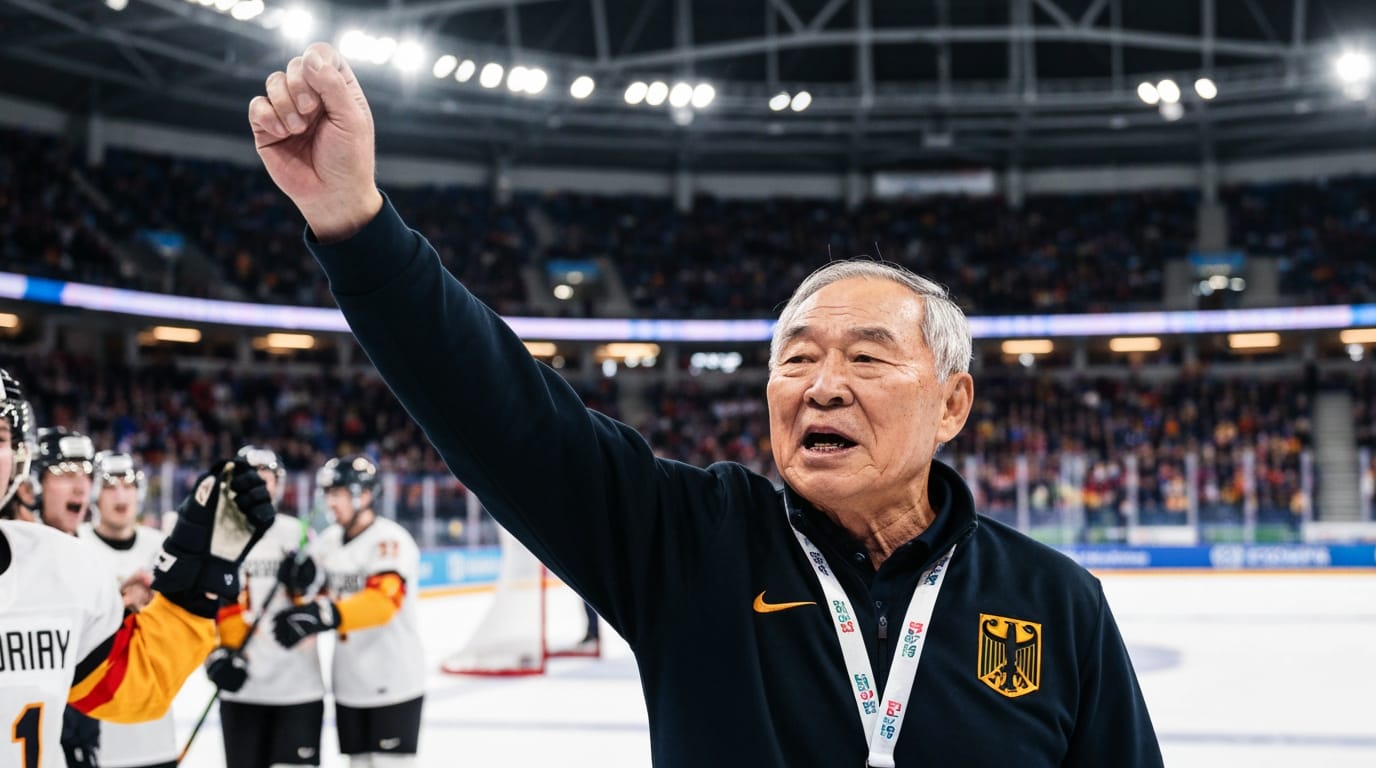
PyeongChang, South Korea – In the annals of German ice hockey, the 2018 Winter Olympics stand as a watershed moment, a testament to resilience, strategic vision, and the transformative power of an unconventional leadership. At the heart of this historic achievement was Marco Sturm, a former National Hockey League (NHL) star who, despite being a German national, brought a decidedly "foreign"—or rather, North American—approach to the German men's national team, steering them to an unexpected and unforgettable silver medal. This journey from an outsider's perspective to national hero reshaped the landscape of German hockey, proving that innovation and a fresh outlook could elevate a long-underperforming program to global prominence.
The Prodigal Son's Return: A New Direction for German Hockey
When Marco Sturm took the helm as head coach and general manager of the German men's national team on July 10, 2015, the landscape of German ice hockey was ripe for change. A celebrated NHL veteran with over 1,000 games played, Sturm was arguably the most accomplished German-born player in the league's history prior to the emergence of Leon Draisaitl. However, his coaching resume was sparse, largely limited to youth hockey after his playing retirement. His appointment, a newly created dual role, signaled a bold departure from traditional German hockey management, a move intended to inject modern methodology and a winning mentality inspired by his extensive North American experience.
Sturm, born in Dingolfing, West Germany, arrived with a mandate to rebuild a program that had often struggled on the international stage. The German Ice Hockey Federation (DEB) entrusted him with the responsibility to reshape the national team's identity and competitiveness. He was tasked with implementing a new structure and fostering a culture of trust and open dialogue among players, a stark contrast to previous approaches. This "foreign" influence, stemming from his years in the NHL, was quickly credited with invigorating the national team, leading to a renewed desire among German players, including those in the NHL, to represent their country.
Forging an Identity: The Road to PyeongChang
Under Sturm’s leadership, the German national team began to steadily improve. He emphasized communication and a professional atmosphere, striving to treat players with the respect and consideration they deserved, drawing from his experiences in top-tier organizations. This philosophy resonated deeply, transforming team dynamics and commitment levels. Early successes included winning the 2015 Deutschland Cup and consecutive quarter-final appearances at the IIHF World Championships in 2016 and 2017. Crucially, in September 2016, Germany won the qualifying tournament for the 2018 Winter Olympics, securing their spot in PyeongChang.
The 2018 Games presented a unique opportunity due to the NHL's decision not to release its players for the tournament. This leveled the playing field, as many hockey powerhouses were deprived of their top talent. For Germany, it meant a greater reliance on players from European leagues, many of whom were benefiting from the new ethos Sturm had instilled. The absence of NHL superstars did not deter the German squad; instead, it seemed to fuel their collective spirit and belief in Sturm’s system, allowing them to compete on a more equal footing against traditional giants.
The Unforgettable Run: PyeongChang's Silver Lining
What unfolded in PyeongChang was nothing short of miraculous. The German team, considered perennial underdogs, embarked on an improbable journey that captivated the hockey world. They navigated the group stage with grit and determination, showcasing a disciplined and cohesive style of play. Their path to the final included stunning victories against hockey heavyweights. They defeated Sweden and Canada, nations with rich Olympic hockey histories, demonstrating their ability to perform under immense pressure. Each win fueled growing belief and momentum within the squad and among fans back home.
The pinnacle of their Cinderella run was the gold medal game against the Olympic Athletes from Russia (OAR). The final was a dramatic, back-and-forth affair that saw Germany push the Russians to the absolute limit. After taking a late lead, the Germans ultimately succumbed to a golden goal in overtime, losing 4-3. Despite the heartbreaking defeat, the silver medal was a monumental achievement—Germany’s first Olympic medal in men's ice hockey since 1976. The commentators and observers frequently noted Sturm’s influence, observing that he had the German team playing an "NHL-style" of hockey, a testament to his impact. This historic performance not only etched the team into legend but also served as a powerful validation of Sturm's coaching philosophy and the transformative potential of embracing fresh ideas.
Beyond the Ice: A Lasting Legacy and Future Trajectory
Following the PyeongChang heroics, Marco Sturm's tenure with the German national team concluded in November 2018, as he transitioned back to North America to take an assistant coaching position with the Los Angeles Kings. His departure marked the end of a pivotal chapter for German hockey, but his legacy continued to resonate. He spent time developing his coaching craft in the Kings' organization, including a stint as head coach of their American Hockey League (AHL) affiliate, the Ontario Reign. His career reached another significant milestone in June 2025, when he was named head coach of the Boston Bruins, becoming the first German and only the fourth European to lead an NHL team. This appointment underscored his continued growth as a coach and further highlighted the North American influence he had cultivated throughout his career.
In Germany, Sturm's impact paved the way for continued progress. His successor, Harold Kreis, acknowledged the strong foundation laid by Sturm, emphasizing that the team's positive development in attitude, conviction, and self-confidence began under his leadership. The 2018 silver medal elevated the profile of ice hockey within Germany, inspiring new generations of players and fans. The German national team continues to build on this momentum, showcasing a renewed competitiveness on the international stage, with key players like Leon Draisaitl and Moritz Seider leading the charge in subsequent tournaments, including the upcoming 2026 Winter Olympics where NHL players are expected to return.
Marco Sturm's journey from a seasoned NHL player to a German national team coach who dared to implement a "foreign" (North American) style proved to be the catalyst for an unprecedented era in German ice hockey. His leadership not only delivered a historic Olympic medal but also fundamentally shifted the team's identity, instilling a belief system and a playing philosophy that continues to bear fruit. The silver medal in PyeongChang was more than just a prize; it was a powerful symbol of what can be achieved when an open mind and a forward-thinking approach are applied to the pursuit of sporting excellence.