Milano Cortina 2026: A Winter Spectacle on Ice and Snow, Tempered by the Bottom Line
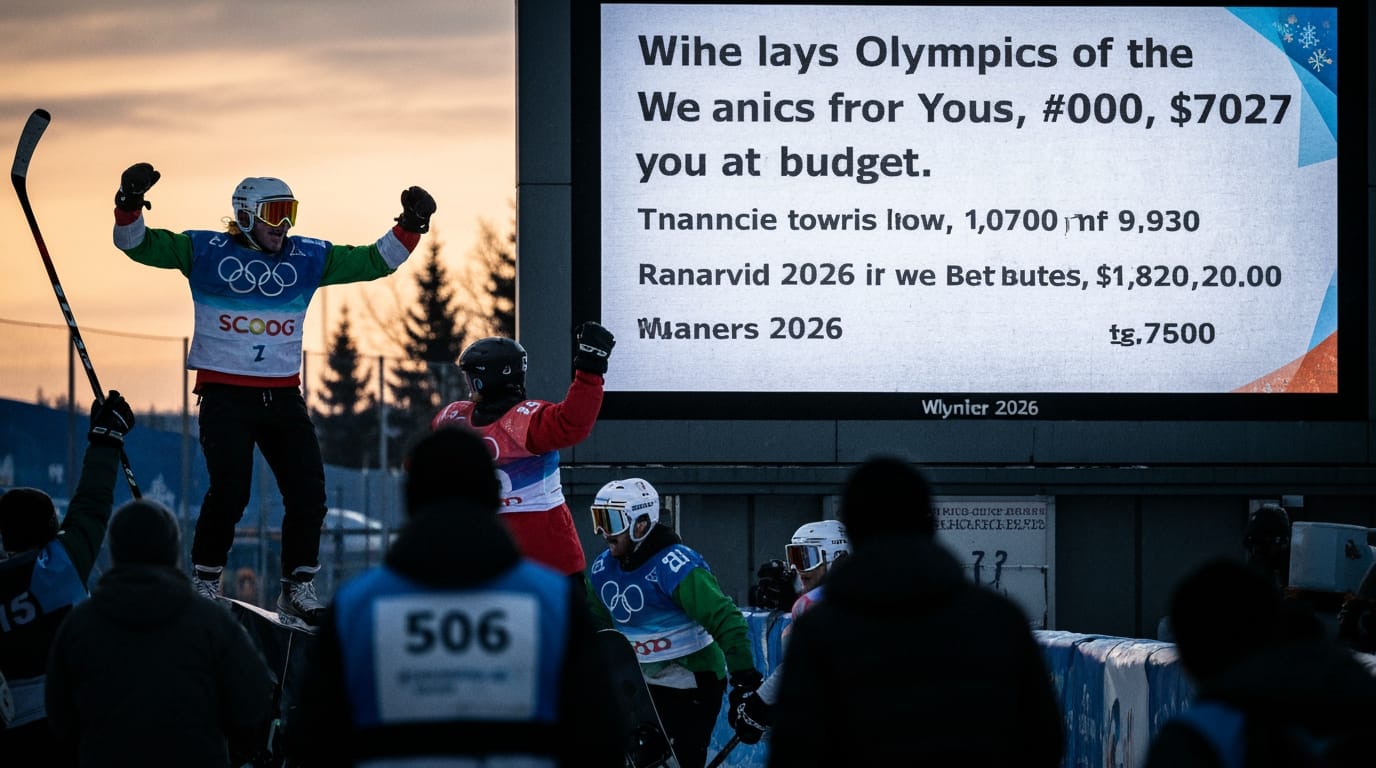
As the world anticipates the opening ceremony on February 6, 2026, the XXV Winter Olympic Games in Milano Cortina d'Ampezzo promise an exhilarating showcase of athletic prowess against the stunning backdrop of the Italian Alps. Yet, beneath the veneer of anticipation and sporting excitement lies the perennial question that shadows every modern Olympiad: at what cost? While Italy prepares to host a geographically widespread and environmentally conscious event, the financial implications remain a significant point of discussion, balancing the thrill of competition with the realities of economic investment and potential burden.
A Pioneering Host Model Across Northern Italy
For the first time in Olympic history, two cities, Milan and Cortina d'Ampezzo, will officially share the mantle of host, setting a precedent for future Games. This dual-city approach extends across 25 venues, spanning four primary clusters—Milano, Cortina, Valtellina, and Val di Fiemme—with the closing ceremony slated for the historic Verona Arena. The ambitious spread, covering more than 22,000 square kilometers, aims to leverage existing infrastructure, with over 90% of the venues either already in place or designed as temporary structures. This strategy is a deliberate effort to circumvent the "white elephant" facilities that have plagued past host cities, expensive assets whose maintenance costs often outweigh their long-term benefits. While most facilities are repurposed, new constructions include a 16,000-seat ice hockey arena in Milan and an Olympic Village, projects that have already seen their initial cost estimates increase. Italy, marking its third time hosting the Winter Olympics, intends for these Games to leave a positive legacy for its Alpine regions.
The Thrill of Competition: New Events and Enduring Traditions
Athletes from around the globe will converge for 17 days of competition, vying for 116 medals across 8 sports and 16 disciplines. The program includes beloved Winter Olympic staples such as Alpine skiing, figure skating, ice hockey, and bobsleigh, promising high-octane action and dramatic finishes. A notable addition to the Olympic lineup is Ski Mountaineering, making its debut as a medal event and reflecting the evolving landscape of winter sports. Other innovations for 2026 include new events like men's and women's dual moguls, women's doubles luge, and a mixed team skeleton competition, alongside an extended 50km mass start for women's cross-country skiing, matching the men's distance. This blend of tradition and novelty aims to captivate audiences and inspire a new generation of winter sports enthusiasts. Approximately 1.5 million tickets have been made available for the events, with a significant portion designed to be affordable, starting at €30, making the experience accessible to a broad public.
Unpacking the Financial Equation: Budgets, Funding, and Cost Controls
The glamour of the Olympics inevitably comes with a substantial price tag, and Milano Cortina 2026 is no exception. Early total cost estimates for the Games hover between €5.7 billion and €5.9 billion, a figure projected to represent roughly 0.3% of Italy's 2025 Gross Domestic Product. The organizing committee's operating budget alone stands at approximately €1.7 billion, an increase of €100 million from previous statements. This operational funding is largely supported by contributions from the International Olympic Committee, primarily through broadcasting rights and international sponsorship, which account for nearly 60% of budgeted costs, with ticket sales and merchandising covering the remainder.
However, the overall financial picture extends beyond operational expenses to encompass significant infrastructure development. Public spending, primarily from the Italian central government, is earmarked to cover 63% of the total costs, aiming to shield local and regional governments from undue budgetary strain. For instance, the city of Milan's contribution is expected to remain under 5% of its operating revenues, with no additional debt incurred for the Games. Despite these efforts, the project has faced inflationary pressures from 2022-2023 and the need for additional infrastructure investments, with the Italian state absorbing most of these rising expenses. The cost of specific projects, such as a new bobsleigh track in Cortina, has drawn attention, highlighting the challenges of managing large-scale developments.
Economic Promise Versus Fiscal Prudence
Supporters of hosting the Olympics frequently point to the potential for significant economic benefits, and initial projections for Milano Cortina 2026 anticipate an economic impact exceeding $6 billion. The Games are viewed as a catalyst for investment in Italy's Alpine regions, aiming to stimulate tourism, bolster small hospitality businesses, and create long-term employment opportunities within the eco-tourism sector. The strategic use of existing venues and temporary structures is a key component of this plan, designed to prevent the creation of costly, underutilized facilities after the Games conclude.
However, the economic track record of Olympic Games globally presents a more nuanced reality. Researchers often observe that the actual costs incurred by host cities frequently outweigh the direct financial benefits. Previous Olympics, such as Paris 2024, have seen their budgets escalate significantly from initial estimates, underscoring the inherent financial risks. While Milano Cortina aims for fiscal prudence, the long-term economic gains will depend on effectively transforming temporary boosts into sustainable growth, a challenge many past hosts have grappled with.
A Focus on Sustainability Amidst Environmental Scrutiny
A central pillar of the Milano Cortina 2026 bid has been its commitment to sustainability, positioning itself as one of the most environmentally and financially responsible Winter Games in history. The organizing committee has pledged to use 100% certified renewable electricity and implement a circular economy model focused on reducing material use, promoting recycling, and reusing temporary structures. Ambitious targets include recycling 80% of packaging waste and reusing 100% of unsold food. Furthermore, Italy has invested over €1 billion in upgrading its transport infrastructure, aiming for 70% of Olympic travel to be via electric or rail-based systems.
Despite these laudable goals, the inherent environmental challenges of hosting a Winter Olympics in a warming climate remain. The necessity for artificial snow and refrigeration is increasingly critical, as natural snow reliability diminishes in regions like Cortina d'Ampezzo. Critics have also raised concerns about potential environmental damage, citing issues such as tree cutting for new bobsleigh tracks and the ecological footprint associated with the extensive geographical spread of venues and the resulting long transport distances. These critiques underscore the complex balance between the desire for green Games and the practical realities of large-scale sporting events in sensitive ecological areas.
Conclusion: A Legacy in the Balance
As the countdown to February 6, 2026, continues, Milano Cortina 2026 stands at a fascinating juncture. The promise of spectacular athletic competition, the debut of new disciplines, and the innovative co-hosting model across Italy's northern regions offer immense excitement. Concurrently, the financial management and sustainability initiatives of these Games will be under intense scrutiny. While organizers strive to deliver a financially responsible event that avoids the pitfalls of past overspends and leaves a positive, enduring legacy, the journey from ambition to execution is often fraught with unexpected challenges. The world will be watching to see if Milano Cortina can successfully deliver both a thrilling winter celebration and a new benchmark for Olympic sustainability and fiscal prudence.