A Looming Catastrophe: Wars and Extreme Weather Converge to Threaten Global Food Security
The world stands at a perilous crossroads, facing a convergence of geopolitical conflicts and a potent climate phenomenon that together threaten to plunge millions more into acute hunger. The ongoing war in Ukraine continues to disrupt vital food supplies, while the conflict involving Iran increasingly chokes critical trade routes and drives up essential agricultural costs. Compounding these crises, the escalating El Niño weather pattern promises widespread extreme weather, poised to devastate harvests across vulnerable regions. This unprecedented "triple whammy" of instability and environmental upheaval is creating a fertile ground for a severe global food crisis, pushing already strained food systems to their breaking point and potentially increasing the number of people facing acute food insecurity by tens of millions.
The Enduring Scar of the Ukraine War on Global Food Supplies
The conflict in Ukraine, a nation historically known as a major breadbasket, has profoundly destabilized global food supplies since February 2022. Ukraine is a significant exporter of wheat, maize, and oilseeds, accounting for approximately 20% of global wheat production, 10% of corn, and 45% of sunflower production. The war has severely disrupted both national and worldwide food supplies, leading to severe stress in food security due to rising prices and supply chain disruptions. Before the conflict, around 90% of Ukraine's agricultural exports moved through its Black Sea ports; however, Russia's blockade rendered these vital routes largely inaccessible, causing massive disruptions in grain exports.
This disruption has led to soaring food prices, with wheat and maize prices, for instance, 42% and 47% higher respectively in April 2022 compared to January 2021. While global food prices saw some decline in 2023, they remain elevated above pre-conflict levels. The war has not only impeded exports but also curtailed production within Ukraine, with grain production dropping by 29% in 2022/2023, and further declines anticipated. The agricultural economic losses for Ukraine are estimated at around $70 billion, with a third of the sector's capital destroyed. The ripple effects have been devastating for import-dependent nations, especially in the Middle East and Africa, where countries like Eritrea source all their wheat from Ukraine and Russia. The UN Food and Agriculture Organization (FAO) estimated that the war could increase the number of undernourished people globally by 8 to 13 million, with significant impacts in sub-Saharan Africa and the MENA region.
The Iran Conflict: Choking Trade and Driving Up Costs
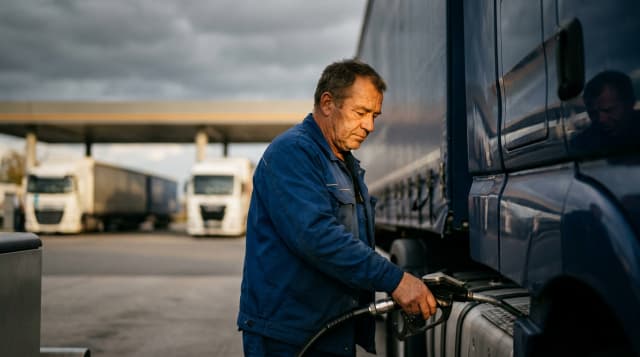
The escalating conflict involving Iran has introduced another critical layer of vulnerability to global food security, primarily by jeopardizing vital maritime trade routes and inflating essential agricultural input costs. The Strait of Hormuz, a narrow passage in the Persian Gulf, serves as a critical chokepoint for global trade, particularly for oil, natural gas, and critically, fertilizers. The conflict has significantly disrupted shipping through this strait, with maritime insurance costs becoming prohibitive and shipping volumes declining by more than 70% since the conflict began.
This disruption has led to an "unprecedented shock to agricultural inputs," particularly fertilizers. Fertilizers are crucial for maintaining crop yields, and approximately a third of the world's seaborne fertilizer trade historically passed through the Strait of Hormuz. The World Bank projects that fertilizer prices could jump an average of 31% due to this conflict. Rising fertilizer and energy prices directly translate into lower crop yields and higher food prices, especially in import-dependent regions. Countries that rely heavily on imported food are feeling the burden most acutely, with aid agencies reporting increased costs for delivering humanitarian assistance due to higher fuel prices and port congestion caused by the Strait of Hormuz closure. The World Food Program (WFP) estimates that the Iran conflict alone could push an additional 45 million people into acute food insecurity.
El Niño's Climate Chaos: A Blow to Agricultural Production
Adding to the geopolitical turmoil, the natural climate phenomenon known as El Niño presents a significant and growing threat to global food security. El Niño is characterized by warming waters in the central and eastern tropical Pacific Ocean, leading to shifts in global weather patterns that cause extreme events like droughts, floods, and heatwaves in various regions. Forecasts for late 2026 point to a strong El Niño event, with some analysts even warning of a "super" or "Godzilla" El Niño, which could have severe, long-lasting impacts stretching into 2028.
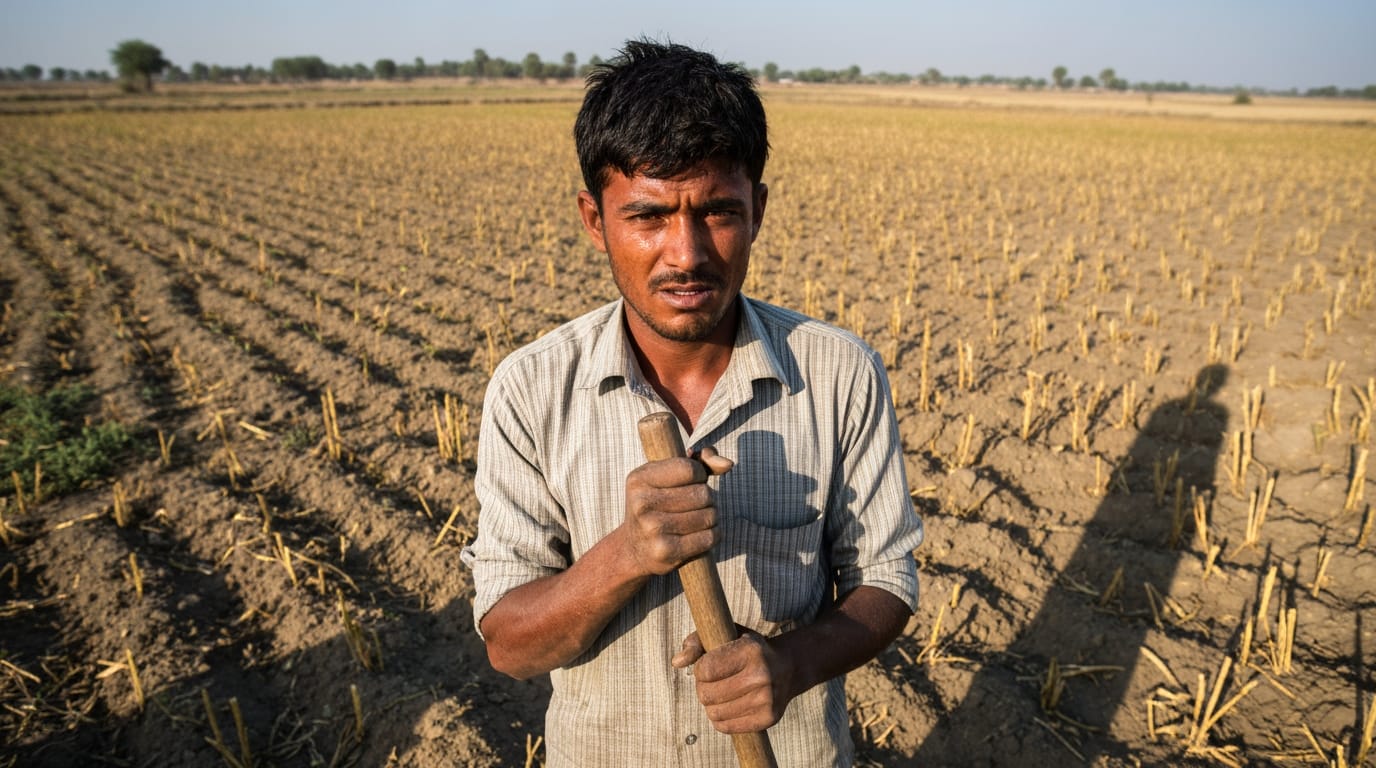
Historically, strong El Niño events have been linked to reduced yields in major agricultural regions worldwide. For instance, it often brings dangerously dry conditions to India, Southeast Asia, and parts of Africa, while causing intense rainfall and flooding in other areas. These extreme weather conditions damage crops, reduce yields, and disrupt supply chains, directly contributing to higher food prices. Key crops such as rice, maize, wheat, and cocoa are particularly vulnerable, with cocoa experiencing a 163% increase in global prices over the past year due to heavy rainfall and hotter temperatures. A study found that projected warming by 2035 could increase food price inflation in North America by 1.4 to 1.8 percentage points annually, with extreme heat consistently increasing food inflation in both high- and low-income countries. The 2015-2016 El Niño event affected approximately 60 million people facing food insecurity, illustrating the potential for large-scale hunger crises when such climate shocks occur.
A Confluence of Crises: The Amplified Threat to World Hunger
Individually, the Ukraine war, the Iran conflict, and El Niño each pose substantial threats to global food security. However, their simultaneous occurrence creates a perilous "confluence of crises," amplifying the risk of widespread hunger on an unprecedented scale. Experts warn that the world is entering "uncharted waters" with this combination of economic and climate shocks. The war-driven surges in fuel and fertilizer prices, stemming from the Ukraine conflict and the disruptions caused by the Iran conflict, are colliding with climate-induced crop failures and reduced agricultural productivity brought on by El Niño.
This "double shock" significantly strains global food systems that were already fragile due to previous economic shocks and the COVID-19 pandemic. Vulnerable populations, particularly in import-dependent nations and those already struggling with conflict or economic instability, are disproportionately affected. The UN World Food Program (WFP) estimates that the combined impact of El Niño and the Iran conflict alone could push between 115 million and 125 million people in the world's 26 most vulnerable countries into needing urgent food assistance by December. In regions like Somalia's Bay region, once a breadbasket, fields are withering from lack of rain while imported rice prices surge due to shipping disruptions, forcing farmers to sell assets just to afford food. Children in such areas are receiving half their required calories, leading to weakened immune systems and stunted growth. The potential for famine conditions in several regions is a grave concern for humanitarian agencies.
Navigating a Precarious Future
The combined impact of the Ukraine war, the Iran conflict, and the El Niño phenomenon presents a formidable and multifaceted challenge to global food security. These concurrent crises exacerbate existing vulnerabilities within the global food system, driving up costs for farmers and consumers alike, disrupting supply chains, and devastating agricultural production in key regions. The specter of tens of millions more people facing acute food insecurity underscores the urgent need for comprehensive and coordinated international action. Mitigating the impending hunger crisis will require not only immediate humanitarian aid but also sustained efforts to foster peace, stabilize trade routes, develop resilient agricultural practices, and adapt to a changing climate. Without such concerted efforts, the world risks witnessing a humanitarian catastrophe of immense proportions, with long-lasting implications for global stability and human well-being.