Global Trade Proves Resilient Amid Tariff Wars and Geopolitical Flashpoints
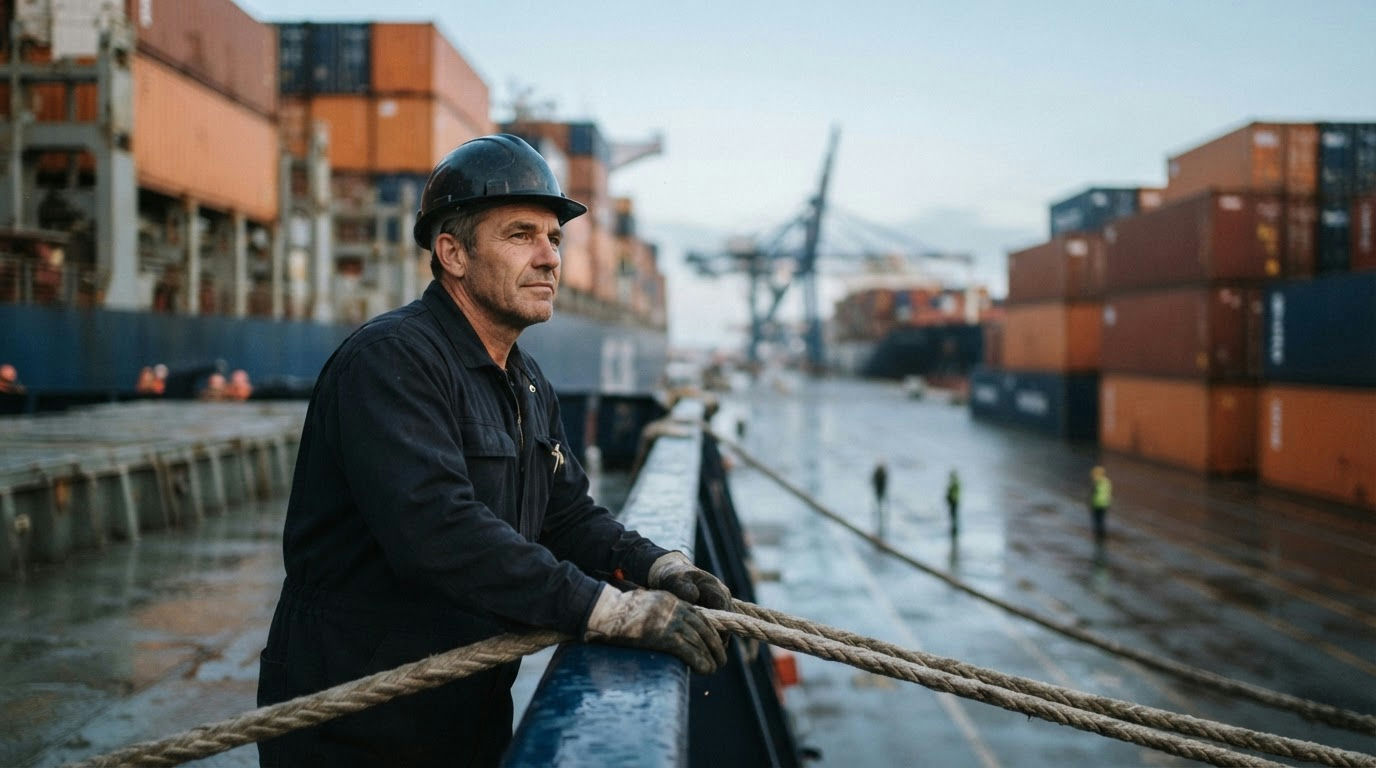
International supply chains are withstanding an unprecedented convergence of economic and military pressures as shipping corridors face disruption, tariff policies shift, and protracted conflicts persist in Eastern Europe and the Middle East. Despite dire forecasts of commercial paralysis, corporate logistics networks and sovereign trading partners continue to reroute goods and absorb price volatility, keeping global commerce moving through choppy waters.
The resilience of cross-border trade has been tested by renewed friction across several key fronts. While Washington has escalated punitive tariff threats against trade partners engaged with Tehran, commercial operators have adapted by diversifying sourcing hubs. Meanwhile, agricultural and industrial trade flows around Ukraine have settled into alternative overland and maritime lanes, and critical energy corridors like the Strait of Hormuz remain under intense scrutiny. Together, these developments have forced a structural reorganization of how goods circulate worldwide.
Shifting Energy Flows and Maritime Chokepoints
Energy markets have taken center stage as tensions involving Iran fluctuate, directly impacting shipping operations and insurance rates. Following diplomatic friction over passage through the Strait of Hormuz, Brent crude reached nearly $110 per barrel, underscoring the sensitivity of global energy lifelines. Financial markets have responded with sharp movements in sovereign debt yields, as higher energy input costs threaten to complicate the inflation picture for major central banks.
Yet the physical stoppage of fuel has largely been averted. Commercial tankers and bulk carriers have increasingly relied on convoy protections, altered tracking systems, and off-peak transits to ensure vital petroleum products reach destination ports. Independent refiners in Asia continue to absorb significant volumes of regional crude, offsetting formal embargoes by redirecting logistics routes through secondary markets. These dynamic adjustments have prevented widespread industrial shutdowns across import-heavy manufacturing economies.
Tariff Escalations and Bilateral Carve-Outs
Trade friction intensified following White House declarations imposing sweeping 25% tariffs on nations conducting business with Iran, a policy designed to exert maximum financial pressure on Tehran. Major emerging economies, including India and China, found their bilateral commerce with the United States directly caught in the crosshairs of these secondary measures. The tariff threat also arrived against a backdrop of ongoing duties tied to foreign purchases of Russian commodities.
Despite the combative trade posture, pragmatism has carved out crucial breathing room. Following bilateral meetings between U.S. and Chinese delegations, the two superpowers agreed to reduce import duties on approximately $30 billion worth of non-sensitive products in each direction. The relief list, encompassing household items, consumer electronics, and agricultural machinery, highlights an effort to protect domestic consumers and retail supply chains from cascading price shocks, even while disputes persist over sensitive technologies.
Sustaining the Breadbasket Amid European Conflict
In Eastern Europe, the prolonged conflict in Ukraine continues to exert structural pressure on agricultural and fertilizer markets. Initial fears of catastrophic food shortages in developing nations have been mitigated by sustained overland transit through European Union rail networks and optimized Danube river shipping routes.
Ukrainian grain, vegetable oil, and steel exports now travel through a patchwork of multimodal corridors, demonstrating how logistical redundancy can buffer against targeted infrastructure damage. Farmers and grain traders across the Black Sea basin have adopted flexible contractual terms and regional storage arrangements, stabilizing global food commodity indices well below their crisis peaks.
High Stakes for Everyday Consumers and Exporters
The human cost of these macroeconomic disruptions is felt acutely by small enterprise owners and household consumers. For small-to-medium importers, fluctuating duties and elevated marine freight insurance require higher capital reserves, squeezing margins and increasing consumer shelf prices. Factory operators in export-driven manufacturing hubs have faced unpredictable raw material schedules, forcing many to adopt just-in-case inventory models over traditional just-in-time delivery.
Workers in port operations and freight forwarding have had to operate around changing port calls and extended shipping routes. When vessels bypass regional flashpoints to navigate around southern capes, journey times lengthen by up to two weeks. These delays tie up vessel capacity and raise container costs, though maritime logistics providers have managed to keep container shortages from reaching systemic emergency levels.
A New Architecture for Global Exchange
The endurance of world trade through tariffs, sanctions, and active conflicts indicates that globalization is fragmenting rather than collapsing. Commercial entities and national governments are prioritizing supply chain security over sheer operational efficiency, accepting higher freight expenses to protect against sudden political shocks.
While financial markets remain watchful of interest rate paths and geopolitical developments, international commerce has proved remarkably flexible. By building parallel logistics networks, negotiating targeted tariff exceptions, and adjusting transport corridors, global trade continues to demonstrate its ability to navigate volatile geopolitical waters.