Germany Faces Winter Gas Test as Low Storage Levels Challenge Energy Security
BERLIN — As autumn temperatures drop across Central Europe, Germany enters the heating season under a cloud of renewed energy anxiety. Underground gas storage facilities, the primary buffer against seasonal demand surges, hover near 56 percent capacity, trailing far behind historical averages and political benchmarks. The shortfall has reignited debates among utility managers, heavy industrialists, and policymakers over whether Europe’s largest economy holds enough fuel to survive a prolonged freeze without rationing.
The energy landscape has shifted dramatically since the 2022 supply crisis forced Germany to abandon Russian pipeline deliveries. While government regulators insist that a transformed import infrastructure will prevent blackouts and factory shutdowns, storage facility operators warn that the margin for error has narrowed. The coming months will test whether a strategy relying heavily on market forces, liquefied natural gas imports, and consumer discipline can withstand a severe winter.
Storage Deficits vs. Supply Security
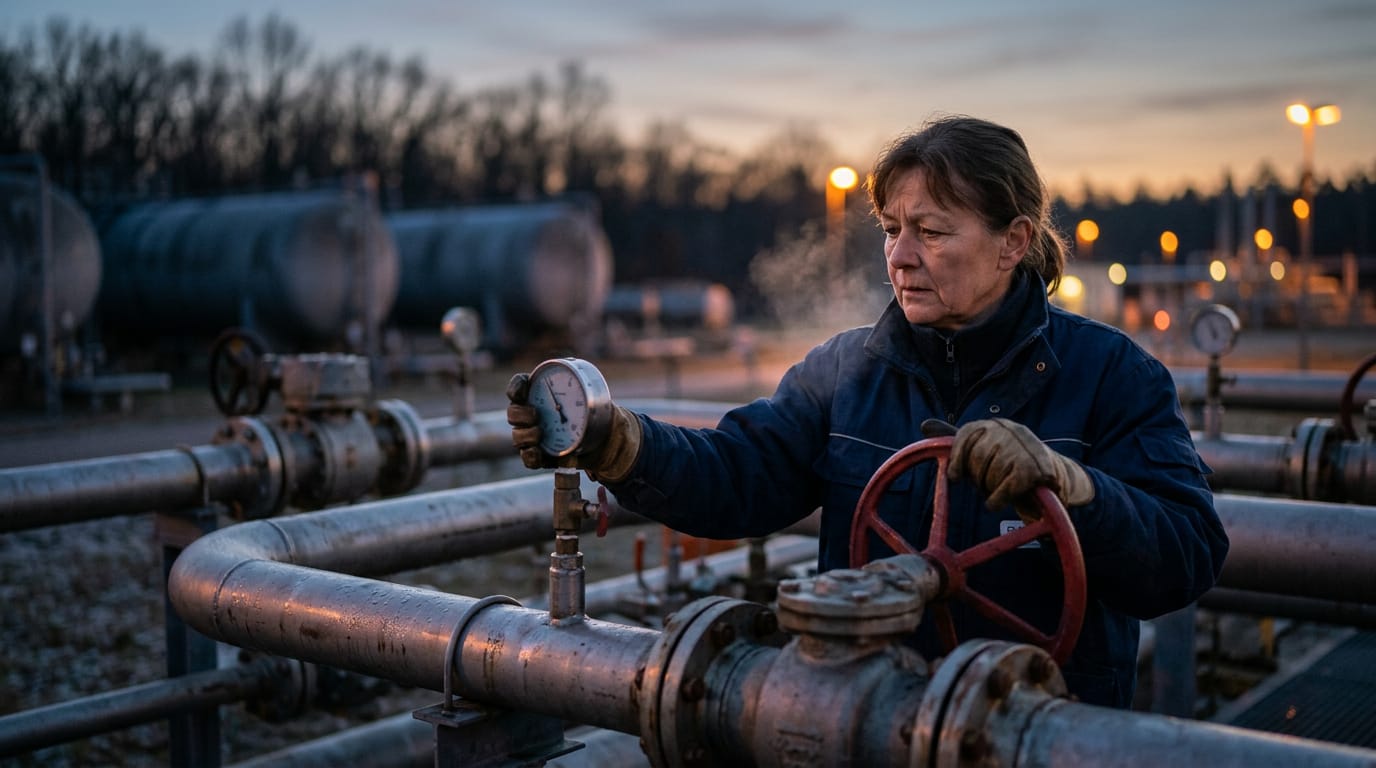
Underground caverns and depleted gas reservoirs across Germany currently store roughly 136 terawatt-hours of natural gas. In sheer volume, this stock exceeds the 134 terawatt-hours withdrawn during the entire previous winter heating cycle. However, the percentage filling rate sits well below statutory targets. Federal goals originally called for facilities to reach 80 percent capacity by November, a milestone that grid experts now view as technically impossible within the remaining timeframe.
The Association of Gas Storage Operators has expressed concern over these lower inventories. Industry analysts caution that storage facilities do not merely supply volume; they provide the high withdrawal rates necessary to balance national grids during bitter cold snaps. When domestic heating demand spikes, imported volumes alone cannot always reach consumer centers quickly enough to offset the surge.
The Federal Network Agency, the nation's energy regulator, contends that direct year-on-year comparisons overlook structural changes in the grid. Officials point out that Germany began the previous crisis with no liquefied natural gas import terminals and heavy pipeline dependence on a single eastern supplier. Today, the agency maintains, supply security no longer rests entirely on subterranean caverns, with flexible delivery routes reducing the need for massive stockpiles.
The Liquefied Natural Gas Lifeline
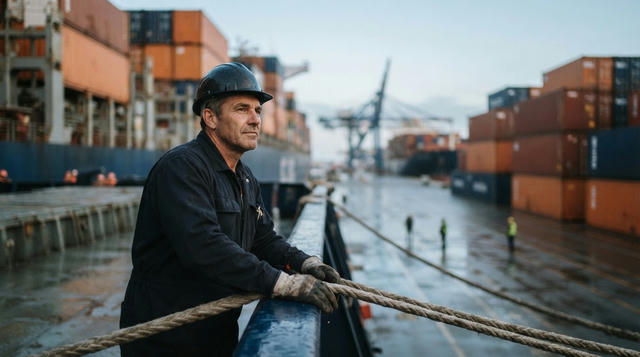
The cornerstone of Germany’s post-crisis energy policy remains its rapid expansion of coastal import terminals. Operating along the North and Baltic Sea coasts, these specialized floating and fixed facilities enable the country to bypass inland pipelines and receive supercooled gas directly from global producers.
Currently operating at approximately 45 percent of their total capacity, these terminals provide substantial room to scale up inbound shipments if domestic demand accelerates. The vast majority of direct seaborne shipments arrive from the United States, supplemented by supplies routed through neighboring ports in the Netherlands, Belgium, and France. Combined with stable pipeline deliveries from Norway, which now accounts for nearly half of German gas intake, the network offers an alternative to the rigid contracts of the past.
Yet reliance on the global market introduces its own vulnerabilities. Unlike pipeline gas locked in under multi-year arrangements, liquefied natural gas cargos are highly mobile and responsive to international price swings. Competition from Asian economies experiencing their own cold weather spells can divert tankers on short notice, driving spot prices higher and testing the willingness of German utilities to bid against overseas buyers.
Economic Pressures and Market Reliance
The economic burden of this supply shift falls directly on regional utilities and industrial consumers. Gas traders carry the legal responsibility to purchase supply and keep municipal systems operational. With wholesale prices elevated and volatile, private distributors have hesitated to inject expensive gas into storage caves, wary of suffering financial losses if winter temperatures remain mild and spring prices tumble.
Federal authorities have resisted intervening directly in the market to buy gas at taxpayer expense, choosing instead to trust commercial incentives. This hands-off approach has created friction with industry groups, who argue that private companies cannot be expected to shoulder national energy security risks alone. Proposals to establish a permanent state-run strategic reserve continue to circulate through parliament, but legislative delays mean such backstops will arrive too late for the current season.
In energy-intensive sectors like chemicals, steel, and glass manufacturing, the prospect of high fuel bills looms large. Factory output in these industries has contracted over recent years due to production costs that outpace those of international competitors. Even without physical shortages, sustained price spikes during peak winter weeks could force industrial facilities to idle production lines once again.
Household Vulnerabilities and Conservation
Beyond corporate balance sheets, the fuel equation carries profound personal consequences for ordinary households. Natural gas heats nearly half of all German homes. Despite federal subsidy programs and expanded efficiency drives, residential consumers remain acutely sensitive to heating bills, which consume an increasing share of monthly budgets.
During past energy crunches, widespread voluntary conservation lowered national gas consumption by more than 15 percent, playing a decisive role in preventing fuel emergencies. However, analysts note that conservation fatigue has set in. Lower thermostats and reduced hot water usage are harder to sustain across multiple consecutive winters, particularly for vulnerable low-income families and elderly residents living in older, uninsulated apartment blocks.
Consumer advocacy organizations report that the fear of sudden utility rate hikes remains widespread. Municipal social services have prepared emergency assistance funds to help households cover utility arrears, but local administrators warn that prolonged sub-zero weather could stretch community resources thin.
The Weather Wildcard
All supply forecasts ultimately rest on the unpredictable trajectory of winter weather. A mild winter, characterized by steady winds and moderate temperatures, would allow Germany to navigate the season comfortably, ending the spring with manageable reserves. In contrast, an extended polar vortex blanketing the European continent would rapidly draw down storage caverns, push coastal terminals to full capacity, and force commercial traders to pay premium prices for emergency supplies.
Germany enters the winter months with a reconstructed energy infrastructure that provides far more flexibility than it possessed prior to the energy crisis. Pipelines from the North Sea flow reliably, import terminals stand ready to process overseas cargo, and underground stores hold more raw volume than was burned last year. Nevertheless, the narrow margin provided by half-full storage caverns leaves the country exposed to global market turbulence and climatic extremes. Whether Germany has truly secured enough gas depends not only on commercial contracts and shipping logistics, but on the severity of the cold that lies ahead.