Surging Diesel Prices Send Shockwaves Across Europe as Fuel Supplies Tighten
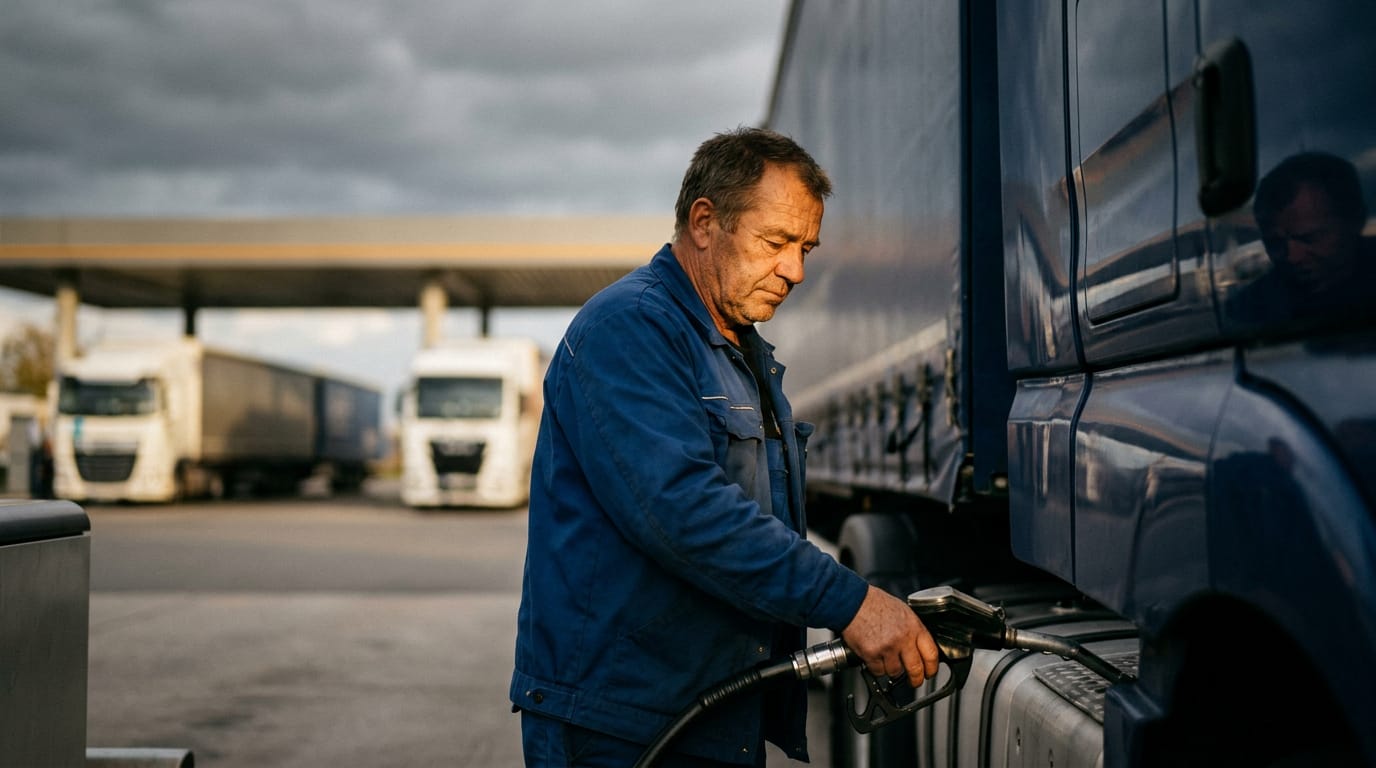
BRUSSELS — A sharp surge in diesel prices is sweeping through Europe, driving transportation expenses higher and imposing severe cost strains on farmers, logistics operators, and commercial businesses. The sudden spike in the price of middle distillates follows severe supply bottlenecks across key oil refining hubs and export corridors, leaving fuel markets depleted just as seasonal demand begins to accelerate. With diesel acting as the primary fuel for European road transit and industrial machinery, the continent faces compounding economic pressure that threatens to elevate overall consumer inflation.
A Perfect Storm in Global Refining and Shipping
The current diesel squeeze stems from a convergence of refining outages, restricted pipeline flows, and global transit bottlenecks. Physical European cargo benchmarks for ultra-low-sulfur diesel have climbed past historic peaks, breaking above $1,600 per metric ton. Across the European Union, the consumption-weighted average retail price for diesel reached an unprecedented 2.23 euros per liter.
The disparity between crude oil costs and refined products has expanded rapidly. Distillate margins, or crack spreads, have climbed significantly above historical averages as refineries struggle to churn out enough diesel and jet fuel simultaneously. Major disruptions in the Middle East and Eastern Europe have restricted shipments from traditional suppliers. Export volumes from Middle Eastern producers fell dramatically following recurring maritime security issues and pipeline halts, removing critical bypass routes around trade chokepoints. At the same time, regional export restrictions from other major refining centers have limited the arrival of replacement cargoes, depleting European inventories far below five-year seasonal averages.
Strain Mounts Across Haulage and Supply Chains
The diesel rally directly hits the engine of European commerce. Road freight forms the backbone of domestic trade, with roughly 96 percent of commercial heavy-duty trucks operating on diesel engines across European highways. The continental fleet transports billions of tons of raw materials and finished goods annually, meaning higher fuel costs quickly filter into the wider economy.
Fuel accounts for nearly one-third of the operational expenses of long-haul trucking companies. With diesel costs nearly doubling over the past several months, haulage operators are facing compressed margins. Industry associations point out that small and medium transport companies lack the financial reserves to absorb these persistent price spikes independently, forcing them to apply freight surcharges that directly increase shipping rates for retail, manufacturing, and food distribution networks. The daily cumulative expense for road diesel across the European market has increased by hundreds of millions of euros compared to normalized seasonal spending.
Agricultural Disruptions and Regional Disparities
Beyond commercial transport, the agricultural sector faces immediate operational hurdles. European farmers rely heavily on off-road diesel to fuel tractors and heavy combine machinery during critical fieldwork cycles. Higher fuel prices compound the expenses already felt through elevated fertilizer and equipment maintenance costs, squeezing margins across the agricultural sector.
Regional economic differences further exacerbate the crisis. Countries located along the periphery of the bloc, which depend more heavily on distant maritime imports and long-distance road networks, are seeing steeper price hikes than nations close to major refining clusters in the Antwerp-Rotterdam-Amsterdam region. The burden is especially severe in Central and Eastern Europe, where lower average operating margins leave local enterprises with less room to navigate escalating distribution overheads.
Policy Responses and Market Headwinds
National governments across Europe have initiated localized measures to alleviate the immediate financial impact on businesses and citizens. Several member states have introduced temporary caps on retail pump rates or enacted emergency reductions in fuel excise duties. However, fiscal authorities recognize that blanket energy subsidies and tax holidays provide only brief relief and carry substantial public budget costs, without addressing the underlying deficit in physical refining capacity.
External market dynamics continue to introduce uncertainty. Facilities in the United States and elsewhere have operated at near peak capacity to offset missing supplies, yet high domestic consumption limits the volume available for export. In addition, discussions in major producing nations regarding potential restrictions on product exports to shield domestic markets have stoked fears in European capital cities that transatlantic fuel flows could become constrained.
Conclusion
The surge in European diesel prices reveals persistent vulnerabilities in the continent's energy and logistics infrastructure. Because heavy transport, agriculture, and construction remain tied to middle distillates, any prolonged shortage carries direct consequences for everyday economic life. Until global refining throughput increases or regional supply lanes achieve sustained stability, European businesses and consumers will continue to navigate the headwinds of high fuel bills and mounting commercial costs.