A Nation Divided: The Enduring Struggle for Rural Healthcare in the Philippines
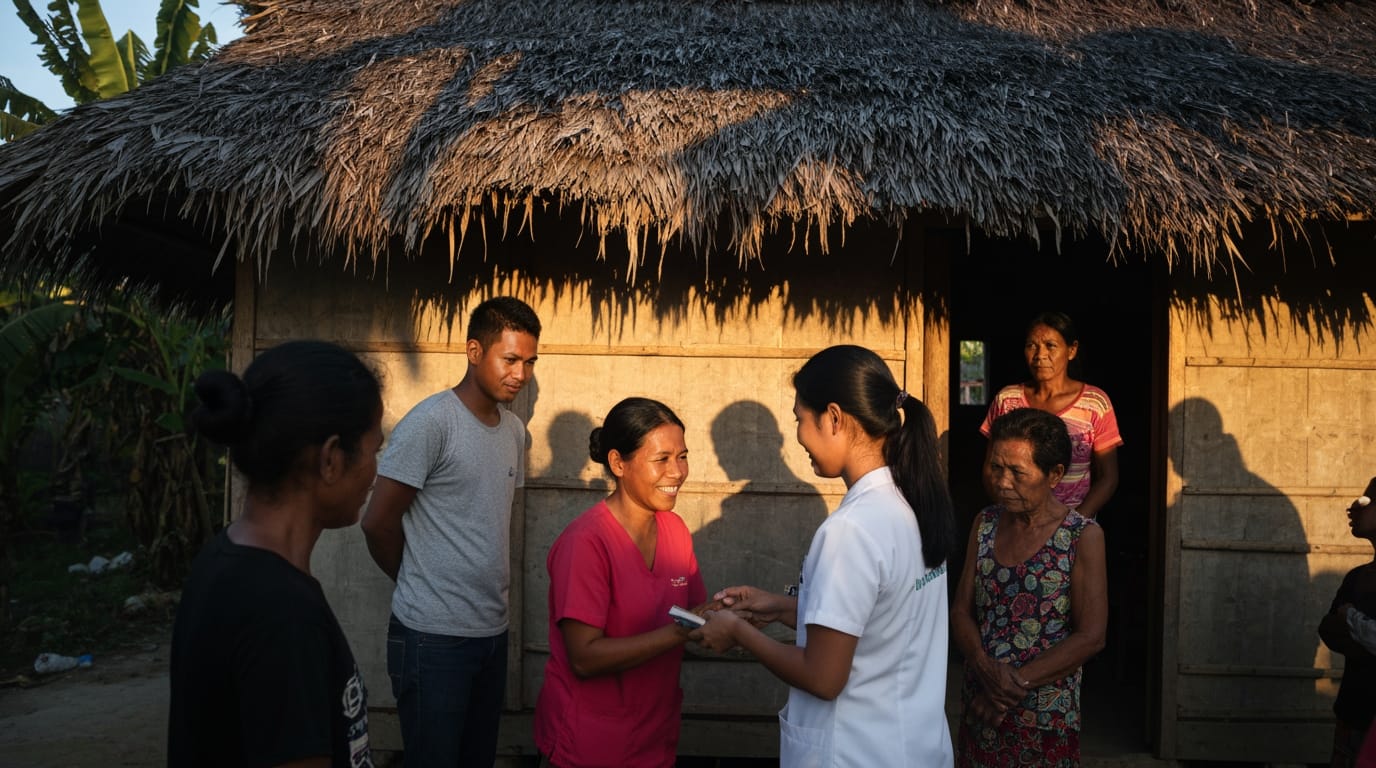
Across the sprawling archipelago of the Philippines, a stark disparity in healthcare access continues to plague millions, drawing a sharp line between the well-equipped urban centers and the underserved, often neglected, rural communities. Despite legislative efforts and technological advancements, geographic isolation, a critical shortage of medical professionals, and significant financial barriers conspire to create a healthcare landscape where quality care remains a distant hope for a substantial portion of the population. This enduring struggle highlights systemic challenges that demand comprehensive, sustained solutions to bridge the divide and ensure equitable health outcomes for all Filipinos.
The Harsh Reality of Geographic Isolation and Inadequate Infrastructure
The Philippines' unique geography, comprising over 7,000 islands, presents an inherent challenge to healthcare delivery, particularly in remote areas. Poor road networks and limited transportation options mean that millions live a considerable distance from the nearest healthcare facility, turning routine check-ups into arduous journeys and emergencies into life-threatening races against time. For those in geographically isolated and disadvantaged areas, basic necessities such as electricity and reliable communication signals are often absent, further impeding efficient healthcare provision.
Rural health units (RHUs) and barangay health stations (BHSs), intended as the primary points of care, frequently suffer from inadequate infrastructure and a severe lack of medical equipment. Many RHUs possess poor facilities for diagnostics and emergency care, often lacking laboratories, ultrasound machines, or even pharmacy services. This forces patients to travel to city hospitals for essential services, a burden particularly heavy for those who are sick and weak. Some rural health centers even lack adequate facilities and an independent water source for sanitation, while others are merely structural shells missing beds and crucial medical supplies like nebulizers. The absence of vital emergency transportation, both land and sea, further cripples the ability to move patients to more capable facilities, severely impacting health services in these communities.
A Dearth of Hands: The Critical Healthcare Worker Shortage
Compounding the infrastructural deficit is a severe shortage of healthcare professionals willing to serve in rural areas. While approximately 40% of Filipinos reside in rural communities, only about 10% of healthcare providers serve these regions, leading to a profound imbalance in access. The Philippines faces a critical deficit, falling far below the World Health Organization's recommended ratio of skilled health workers to population. Reports indicate a shortage of 60,000 doctors, 121,000 nurses, and 109,000 midwives in public facilities alone, with the poorest communities bearing the brunt of these understaffed stations.
This "brain drain" is a significant factor, as many Filipino healthcare workers, particularly nurses, seek better pay and working conditions abroad, making the Philippines a major exporter of medical professionals. Those who remain in rural areas often face challenging circumstances, including heavy workloads, inadequate staffing levels, and low salaries. Public health specialists note that these workers are sometimes blamed by patients and their families for inadequately equipped facilities, adding to the psychological strain of an already demanding profession. This exodus and the difficult conditions for those who stay severely hinder healthcare access in underserved regions and contribute to high rates of burnout among local nurses.
Financial Hurdles and the Promise (and Pitfalls) of Universal Health Care
Financial constraints represent another formidable barrier to healthcare access in rural Philippines. Millions in remote communities live below the poverty line, making the cost of medication, doctor appointments, and hospitalizations prohibitive. Healthcare emergencies have the potential to plunge families into debt, with over 40% of healthcare costs paid out-of-pocket, a figure exceeding regional averages. For the poorest Filipinos, as much as 75% of out-of-pocket health spending is allocated to medicines.
In response to these pervasive issues, the Philippine government enacted the Universal Health Care (UHC) Act in 2019, aiming to progressively realize equitable access to quality and affordable health goods and services for all citizens, while also providing financial risk protection. The law automatically enrolls all Filipinos in the National Health Insurance Program (PhilHealth). However, the UHC Act faces significant implementation hurdles. While public funding for health has increased and out-of-pocket expenditure as a share of current health expenditure decreased from 51% to 45% between 2015 and 2022, inequities persist across wealth quintiles and between urban and rural areas.
Challenges with PhilHealth reimbursements and the slow, uneven computerization of claims filing discourage health centers from processing claims, impacting their ability to maintain continuous supplies of medications and equipment. Some critics also argue that the UHC Act, by strengthening the role of social health insurance and assigning the state as a health services purchaser rather than an investor in public health facilities, has led to the growing influence of private health corporations. This, they contend, may inadvertently contribute to the commodification of health services, potentially making healthcare even more inaccessible and unaffordable for ordinary people.
Bridging the Divide: Innovative Approaches and Community Efforts
Despite the formidable challenges, efforts are underway to bridge the healthcare divide in rural Philippines, leveraging both innovation and community-based strategies. Telemedicine, for instance, has emerged as a crucial advancement, allowing healthcare professionals to remotely diagnose and treat patients, providing medical advice and consultations without the need for long and costly travel to urban centers. This digital solution also enables rural medical professionals to refer complex cases to specialists in better-equipped urban facilities.
Mobile health units have been deployed to reach the most remote areas, bringing essential services such as vaccinations, basic check-ups, and health education directly to communities lacking medical facilities. These units are particularly vital in disaster-affected areas, offering immediate and convenient healthcare to vulnerable populations. Furthermore, the role of community health workers, often local residents trained to provide basic health services, health promotion, and disease prevention, is being strengthened. Initiatives also encourage self-care interventions, empowering individuals to make health decisions and potentially reducing the burden on the formal health system, especially in low-resourced settings. Partnerships between public, private, and philanthropic organizations are also exploring new models, like integrating telehealth into Barangay Health Centers and promoting UHC enrollment through community volunteers.
Conclusion: The Long Road to Equitable Health
The struggle for rural healthcare in the Philippines is a multifaceted challenge deeply rooted in geography, socioeconomic conditions, and systemic deficiencies. While the Universal Health Care Act of 2019 represents a significant stride towards equitable access and financial protection, its full realization in remote areas is hampered by persistent shortages of personnel, inadequate infrastructure, and the ongoing financial burden on patients. However, the emergence of innovative solutions like telemedicine and mobile health units, coupled with the dedicated efforts of community health workers, offers rays of hope. The path to truly equitable healthcare for all Filipinos remains a long one, requiring sustained government investment in infrastructure and human resources, effective implementation of existing policies, and continued collaboration across sectors to ensure that no one is left behind in the pursuit of health and well-being.


