A Nation Under Siege: Afghan Refugees and Iran's Poorest Caught in the Vortex of War
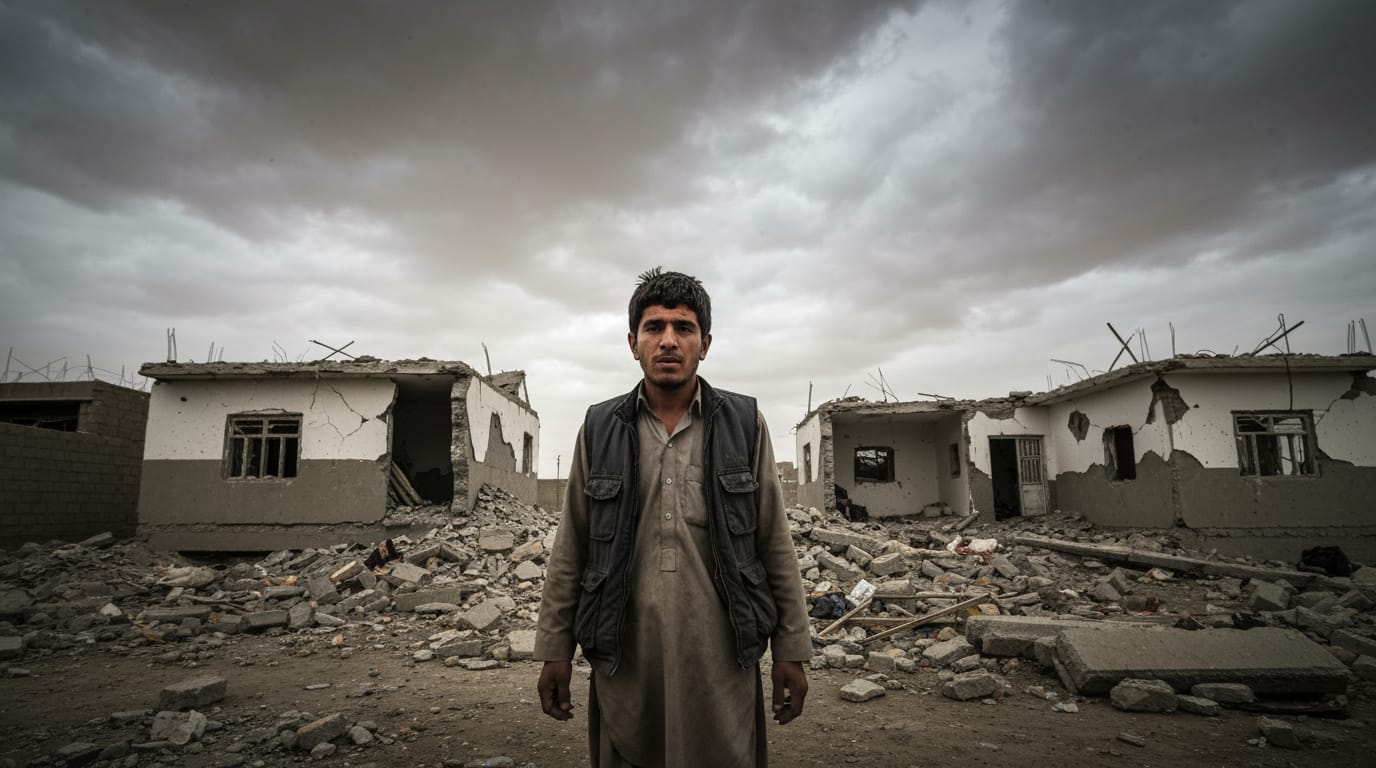
A devastating regional conflict, ignited by recent hostilities between Israel and Iran, has plunged millions into an abyss of insecurity and economic despair, with Afghan refugees and Iran's most vulnerable citizens bearing the overwhelming brunt of the escalating crisis. What was once a challenging but relatively stable refuge for Afghans in Iran has rapidly transformed into a perilous landscape marked by relentless attacks, collapsing infrastructure, and an economy in freefall. The humanitarian ramifications are immediate and profound, as both long-term residents and newly displaced populations face a stark choice between a war-torn Iran and a fragile homeland, all while international bodies warn of a potential refugee crisis of unprecedented magnitude.
The Precarious Existence of Afghan Refugees Amidst Escalation
For millions of Afghans, Iran has long served as a primary destination after fleeing decades of conflict and instability in their homeland. However, the recent outbreak of war on February 28, 2026, has dramatically altered their already precarious existence, transforming a difficult refuge into an environment fraught with insecurity, economic paralysis, and deepening uncertainty. As Israeli strikes target multiple Iranian cities and Iran retaliates, these refugees, already among the most vulnerable groups, find themselves exposed to the full force of a regional conflict they neither chose nor can escape.
The intensity of the attacks has been a primary source of terror. Early UN briefings indicate that Israeli strikes across Iran have resulted in the deaths of over one thousand civilians and injured thousands more, fostering a pervasive climate of fear that impacts both Iranian citizens and the refugee population. Afghan families residing in the poorer districts of major cities like Tehran, Isfahan, and Mashhad report nights punctuated by explosions, widespread power outages, and the haunting wail of air-raid sirens. In a desperate bid for safety, many have begun to leave these urban centers for smaller towns or border regions, hoping to evade the worst of the bombardment.
Beyond the immediate threat of violence, the conflict has further exacerbated the profound economic fragility facing Afghans. Iran's economy, already reeling from the prolonged impact of international sanctions and rampant inflation, has been pushed into an even deeper state of turmoil. Jobs in critical sectors such as construction, manufacturing, and informal labor—areas where Afghan workers are heavily concentrated—have evaporated almost overnight. This sudden loss of livelihoods, combined with soaring prices for food, fuel, and transportation, has rendered many families unable to meet their most basic needs. The situation is particularly acute for undocumented Afghans, who often avoid official assistance channels out of fear of detention or deportation, leaving them even more exposed to the crisis.
Iran's Economic Malaise Deepens for Its Poorest Citizens
While Afghan refugees face a unique set of challenges, Iran's own impoverished citizens are also experiencing intensified suffering as the regional conflict compounds existing economic woes. The nation's economy was already significantly weakened by years of international sanctions and persistent inflation long before the current hostilities. The war has acted as a catalyst, pushing the country's economic system into further disarray and disproportionately affecting its most vulnerable populations.
The human toll on Iranian civilians has been devastating, with nearly 800 confirmed deaths reported in less than a week. This figure is almost certainly an undercount, given the near-total internet blackout within the country, which hinders accurate reporting and communication. Beyond the immediate casualties, the conflict has created a "perfect storm" of pre-existing nationwide unrest, economic collapse, and political repression, now ignited by open warfare. The disruption of essential services and the strain on humanitarian operations are evident across the country, impacting the ability of aid organizations to reach those in dire need.
The ripple effects of the conflict are not confined to Iran's borders. The war is contributing to a global economic destabilization, driving up energy and fertilizer costs worldwide. This has raised alarms about a potential return of widespread food inflation and has farmers bracing for resource shortages that could severely impact harvests, indicating a far-reaching crisis that could touch communities well beyond the immediate conflict zone.
The Agonizing Choice: Return to Uncertainty or Face Mounting Peril
Caught between the escalating peril in Iran and the persistent instability of their homeland, many Afghan refugees are confronting an agonizing choice. Reports from the region indicate a growing trend of Afghans, who once sought long-term refuge or planned onward migration, now turning back towards Afghanistan. This movement marks an acceleration of a trend observed since 2023, driven by mounting economic pressure, the threat of deportations, and rapidly shrinking opportunities in Iran. Human Rights Watch has noted that over three million Afghans have already returned from Iran and Pakistan in recent years, highlighting the immense pressure on these displaced communities.
However, the decision to return to Afghanistan is fraught with its own set of painful calculations. The country remains profoundly economically fragile, grappling with limited international aid and persistently high unemployment rates. The Taliban's takeover has led to a further economic crisis and diminished foreign aid, making life incredibly difficult for many, especially women who have lost their jobs. Prices for necessities have doubled, and access to cash is severely limited. This means that for many, returning to Afghanistan offers little solace, as they face insecurity and a lack of opportunities in a land still recovering from decades of conflict.
The International Organization for Migration has issued an explicit appeal for military de-escalation, recognizing that continued conflict will only force more families from their homes. UN officials are mobilizing staff across Iran and neighboring countries to respond to the escalating crisis, but the scale of the need is immense and rapidly growing.
A Looming Catastrophe and the Call for International Action
The convergence of regional conflict, economic devastation, and a deepening humanitarian crisis in Iran presents a dire scenario for both Afghan refugees and Iran's indigenous impoverished communities. The European Union's asylum agency has issued a stark warning that the ongoing war could trigger refugee movements of "unprecedented magnitude". With Iran's population of 90 million, even a 10% displacement rate would rival the largest refugee flows in modern history, creating a humanitarian catastrophe on a global scale.
The current situation underscores how deeply regional conflicts reverberate through the lives of displaced populations and host communities alike. The interconnectedness of the crises demands an urgent and robust international response. De-escalation of the military conflict is paramount, as is the scaling up of humanitarian aid and sustained international support for the millions caught in the crossfire. Without concerted efforts, the suffering of Afghan refugees and Iran's poorest will only intensify, pushing an already strained region to the brink of an even more profound humanitarian disaster.


