A New Era of Environmental Triumph: Cities, Wildlife, and Technology Lead the Green Revolution


Global efforts are demonstrating a tangible shift towards environmental restoration and sustainable living, with significant advancements emerging from urban centers, groundbreaking wildlife conservation, and innovative technological solutions. This escalating wave of "eco wins" signals a renewed optimism, proving that dedicated action can reverse ecological decline and pave the way for a more resilient future.
Across continents, communities, scientists, and innovators are forging a path towards environmental recovery. From urban planners transforming concrete jungles into verdant, eco-conscious havens, to conservationists orchestrating remarkable comebacks for endangered species, and technologists harnessing cutting-edge tools to monitor and protect our planet, the narrative of environmental degradation is increasingly being met with powerful stories of resurgence. These diverse, yet interconnected, endeavors highlight a collective recognition of our planet's fragility and an accelerating commitment to its healing.
Urban Renewal: Cities Embrace Green Transformation
Cities, long perceived as environmental challenges, are rapidly transforming into laboratories of sustainability, integrating natural systems and pioneering practices to enhance livability and ecological health. A cornerstone of this urban renewal is the widespread adoption of green infrastructure. These natural or semi-natural systems, such as green roofs, living walls, rain gardens, and urban forests, are strategically designed to manage water, improve air quality, and mitigate urban heat. They effectively reduce the urban heat island effect, purify air and water, and help manage stormwater by slowing it down and allowing infiltration, thereby reducing flood risks and enhancing water quality. Cities like Philadelphia, Seattle, New York, and New Orleans have invested substantial resources in these programs, recognizing their cost-effectiveness and their ability to create healthier, more attractive communities.
Beyond green spaces, urban centers are championing the circular economy, a model that minimizes waste and maximizes resource utility. This approach involves keeping materials in use, designing out waste, and regenerating natural systems. Municipalities such as Cleveland, San Francisco, Fort Collins, and Nashville are implementing initiatives ranging from tool libraries and composting programs to repair fairs, significantly boosting waste diversion rates and creating green jobs. Internationally, cities like Amsterdam, Delhi, Lagos, Bogotá, Wuhan, and Manila are also recognized for their progress in integrating circular economy principles into city governance and development.
A pivotal element of urban environmental progress is the accelerating transition to renewable energy. Many cities are setting ambitious goals to decarbonize their energy grids, with a notable shift towards wind and solar power. Denton, Texas, remarkably achieved its goal of fulfilling all electricity demand through wind and solar power in 2020, projecting significant long-term cost savings. Salt Lake City, Utah, is leading a collaborative effort with 19 communities to achieve net-100% clean electricity by 2030, serving as a model for municipal cooperation with utility providers. These efforts are complemented by the implementation of smart energy monitoring and management systems, urban solar installations, and even innovative approaches like using heat pumps in low-income communities to decarbonize buildings, showcasing a holistic strategy for cleaner urban energy systems.
Nature's Comeback: Rewilding and Conservation Thrive
The resurgence of wildlife and the restoration of natural habitats are providing powerful evidence of nature's resilience when given the opportunity to recover. Rewilding, a conservation strategy focused on reestablishing natural environments and processes, is yielding remarkable results globally. One of the most celebrated examples is the reintroduction of gray wolves to Yellowstone National Park in 1995. This pivotal action initiated a trophic cascade that led to the recovery of plant diversity, enhanced riverbank stability, and the return of various bird species, demonstrating the profound impact of keystone species on ecosystem health.
Further success stories abound across different ecosystems. In Mozambique, Gorongosa National Park saw its large animal population surge from 7,000 to over 100,000 in just two decades, a testament to dedicated restoration efforts. Spain's Iberian Lynx, once critically endangered, has seen its population rebound from fewer than 100 individuals in 2002 to over 700 by 2021, thanks to intensive habitat restoration and captive breeding programs. Brazil's Atlantic Forest recently recorded its lowest deforestation rate in 40 years, with experts optimistic about achieving near-zero deforestation in the coming years. Projects like "Refauna" are actively rewilding missing animal populations in areas like Tijuca National Park, aiming to restore ecological functions. Costa Rica stands out as a global leader in forest regeneration, with payment for ecosystem services programs leading to rapid forest recovery, achieving 75% similarity to old-growth forests in previously degraded areas.
Beyond large-scale rewilding, targeted conservation efforts are bringing numerous species back from the brink. The coho salmon, for example, has returned to California's Russian River after a 30-year absence, a direct result of habitat restoration and community-driven conservation. Other notable recoveries include the Louisiana black bear, the Delmarva fox squirrel, and the Foskett speckled dace, all removed from endangered lists due to successful conservation programs. Marine ecosystems are also experiencing a renaissance; Mexico's Cabo Pulmo National Park, once heavily overfished, witnessed a staggering 460% increase in fish biomass after becoming a no-fishing zone. The recent entry into force of the High Seas Treaty further expands protection for marine life by allowing the creation of marine protected areas in international waters, demonstrating a growing global commitment to ocean health.
Technological Frontiers: Innovation for a Healthier Planet
Technology is emerging as a powerful ally in the fight for environmental sustainability, offering innovative solutions across monitoring, conservation, and resource management. Artificial Intelligence (AI) is transforming environmental protection in multifaceted ways. For environmental monitoring, AI algorithms analyze vast datasets from satellites and sensors to track deforestation in real-time, such as in the Amazon rainforest, and monitor air and water quality with unprecedented accuracy. This enables timely interventions and provides crucial insights into land use changes and pollution levels.
In wildlife monitoring and protection, AI-powered cameras and sensors are now deployed to observe animal populations, identify species from images and videos, predict which species are vulnerable to endangerment, and even detect poaching activities before they escalate. Predictive analytics, fueled by AI, forecasts risks like wildfires and illegal logging, enabling proactive conservation measures. AI also plays a critical role in ecosystem restoration and rewilding by providing predictive planning and modeling tools, simulating long-term ecosystem changes, and analyzing bioacoustic sensor data to verify the success of restoration projects. Furthermore, in urban settings, AI tools like Google's Tree Canopy leverage aerial imagery to help nearly 350 cities manage and enhance their urban forests, addressing extreme heat and bolstering climate resilience.
The Internet of Things (IoT) is another technological frontier driving sustainability. IoT applications are optimizing resource use in smart agriculture through sensor data and predictive analytics, managing energy-efficient lighting systems, and enabling remote monitoring platforms for water levels, air quality, and energy usage in real-time. Smart building technologies balance heating, cooling, and power based on occupancy and demand, while intelligent traffic systems reduce pollution and fossil fuel consumption, particularly with the rise of urban electric vehicles.
Beyond these sophisticated systems, advancements in energy efficiency are having a quiet but profound impact. Modern appliances, from LED bulbs to refrigerators and washing machines, consume significantly less energy than their predecessors, contributing to an overall reduction in household electricity consumption despite increased device ownership. Innovations such as eco-friendly printer subscriptions, solar-powered robotic pool cleaners, AI-powered sprinklers that optimize water use, and plastic-free laundry detergent strips are also making daily life more sustainable, showcasing a diverse range of technological solutions contributing to a greener planet.
A Collective Path Forward
The surge in environmental victories, from green urban planning and remarkable wildlife recoveries to sophisticated technological innovations, paints a picture of tangible progress. These achievements are not isolated incidents but rather interconnected facets of a global movement demonstrating that positive ecological change is not only possible but actively underway. The commitment to green infrastructure is transforming urban resilience, the success of rewilding projects is restoring biodiversity, and advancements in AI and IoT are providing unprecedented tools for monitoring and protection.
While significant challenges remain, the current momentum offers a compelling narrative of hope and efficacy. These "eco wins" underscore the power of collective action, interdisciplinary collaboration, and sustained innovation. They serve as a powerful blueprint, inspiring further dedication and investment in solutions that promise a healthier, more sustainable future for all inhabitants of our planet.
Sources
- citygreen.com
- earth.org
- raincheckbuffalo.org
- globaldesigningcities.org
- kresge.org
- thrivingcommunities.org
- icleiusa.org
- weforum.org
- corporateknights.com
- earthday.org
- redex.eco
- eresus-nature.com
- flowerpower.vip
- globalrewilding.earth
- journeyswithpurpose.org
- rare.org
- bornfreeusa.org
- nwf.org
- earthday.org
- makersite.io
- omdena.com
- usc.edu
- digi.com
Related Articles


The Blazing Battle: Why Wildfire Suppression is Harder Than Ever, and How We're Fighting Back
The fight against wildfires is intensifying, with blazes growing larger, more frequent, and more destructive across the globe. What was once a seasonal threat in specific regions has evolved into a year-round crisis,...

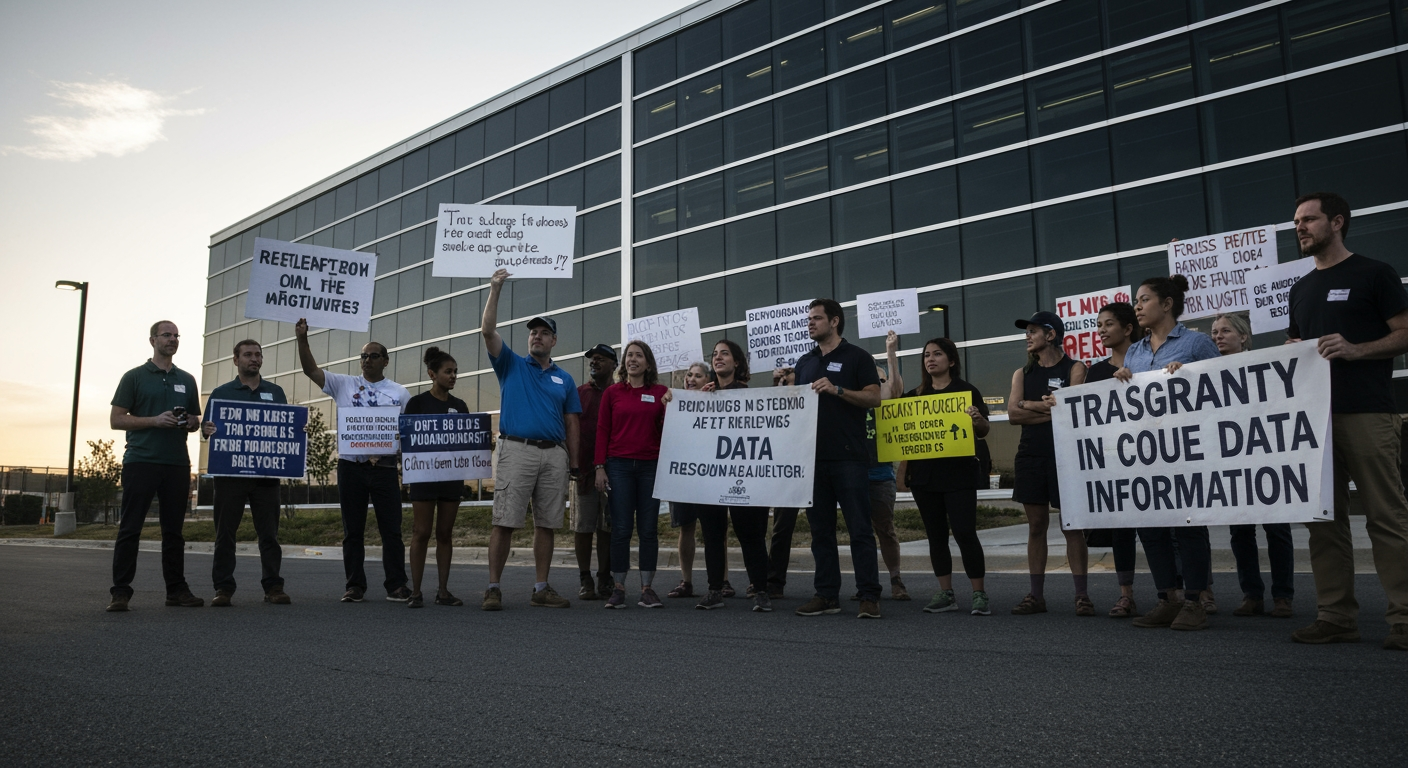
U.S. Communities Push Back: The Growing Battle Over Data Center Expansion
Across the United States, a groundswell of citizen activism is challenging the rapid, often unchecked, expansion of data centers, marking a significant turning point in the nation's digital infrastructure boom. Local...


Escalating Heat Waves Plunge Millions into Sleepless Nights, Threatening Health and Economy
As global temperatures continue to climb, a silent crisis is unfolding in bedrooms around the world: heat waves are increasingly disrupting human sleep, posing significant threats to public health, cognitive function,...