Europe Rallies Against Escalating Wildfire Threat with Integrated Strategy
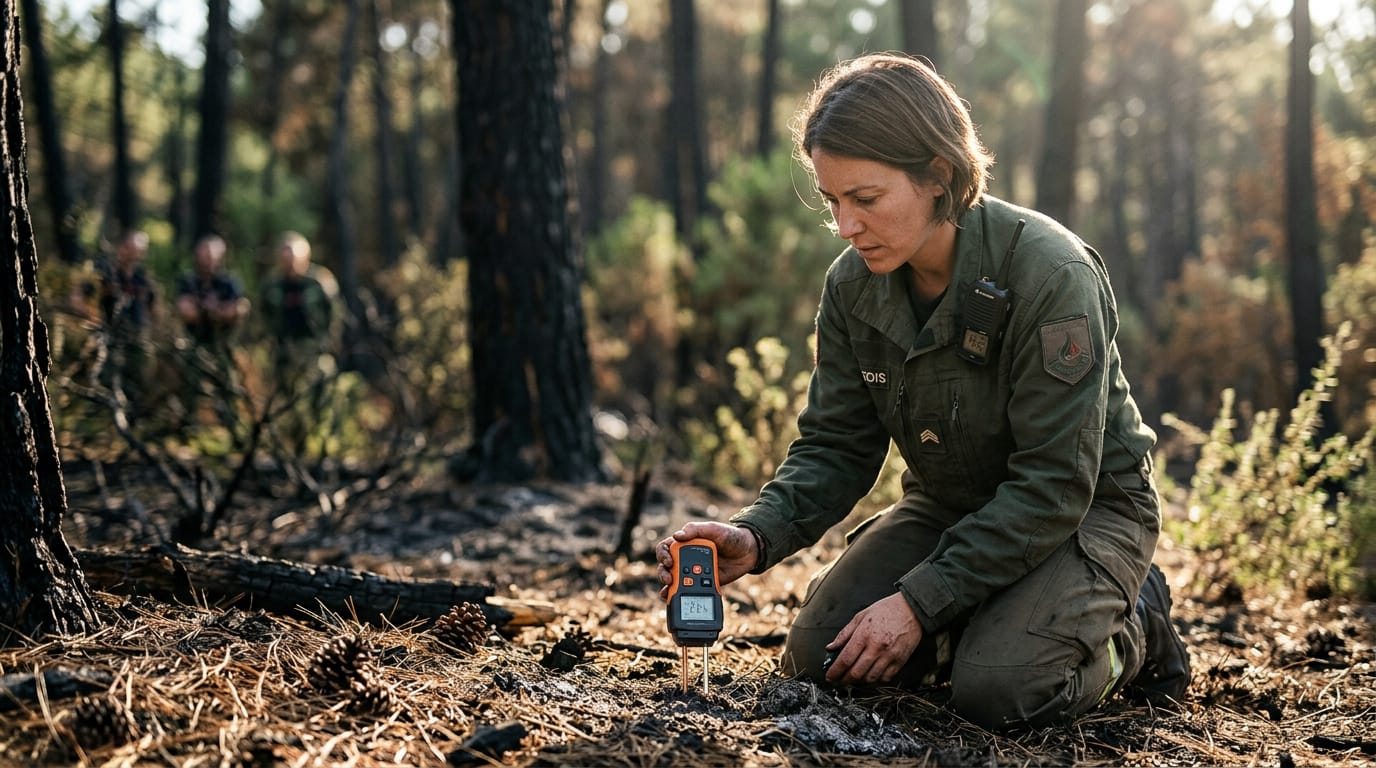
Europe is grappling with an unprecedented surge in wildfires, driven largely by human-caused climate change, necessitating a fundamental shift from reactive firefighting to a comprehensive, integrated strategy encompassing prevention, preparedness, response, and recovery. As record-breaking heatwaves and prolonged droughts become the norm, the continent faces a stark future where burnt areas could increase by nearly 40% even under optimistic emissions scenarios, underscoring the urgent need for a multi-faceted approach to protect its landscapes, economies, and communities.
The Scorching Reality: Climate Change Fuels a Growing Crisis
Wildfires across Europe have escalated dramatically in intensity and frequency, no longer confined to the traditional Mediterranean hotspots but now threatening regions previously considered safe. The summer of 2026, for instance, witnessed extreme heatwaves and unusually low rainfall across much of Western Europe, creating conditions ripe for devastating blazes in countries like France and Spain. This alarming trend is directly linked to human-caused climate change, which exacerbates high temperatures and drought conditions, making landscapes more susceptible to ignition and rapid fire spread.
The consequences are profound and far-reaching. Economically, wildfires inflict a heavy toll, with Southern Europe alone facing yearly production losses estimated between €13 billion and €21 billion. The total cost across the EU can reach €2.5 billion annually, a figure that climbed to approximately €3.81 billion in 2023. Beyond financial losses, the human impact is severe, with an average of 45,000 people displaced annually between 2008 and 2023, and a staggering 234,287 forced from their homes in 2023 alone. From 1981 to 2023, wildfires were responsible for 701 deaths within the EU. Environmentally, these fires contribute to significant carbon emissions, reduce vital carbon sinks, and cause severe soil degradation and erosion, with protected Natura 2000 sites, covering only 18% of EU territory, accounting for 41% of the total burnt area in 2023. Scientific studies warn that without drastic action, Europe could see the area affected by wildfires increase by 39% by the end of the century even with significant greenhouse gas emission reductions, a figure that could soar to 192% under continued high emissions.
Proactive Prevention: Rewriting the Landscape's Future
Recognizing that firefighting alone is an unsustainable strategy, European authorities and experts advocate for a significant pivot towards proactive prevention and resilient landscape management. Central to this approach is sustainable forest management (SFM), which involves actively reducing fuel loads through measures like selective thinning, pruning, and clearing vegetation, thereby limiting the amount of combustible material available for fires. Traditional practices, such as prescribed burning and controlled grazing, are also being revitalized to manage biomass buildup and create natural firebreaks.
Furthermore, strategic land-use planning includes diversifying forest ecosystems by replacing fire-prone exotic species with native, fire-resistant varieties, such as cork oak in Portugal. This enhances ecological resilience and reduces vulnerability. Community involvement is also critical, empowering residents with knowledge to manage vegetation around their homes, develop evacuation plans, and understand the necessity of controlled burns. The EU has enshrined these priorities in its Forest Strategy for 2030 and a new integrated approach launched in March 2026, which covers the entire disaster risk management cycle. The Common Agricultural Policy (CAP) is now also identified as a primary funding mechanism for land-based wildfire prevention, supporting investments in active forest management, firebreaks, and essential forest road infrastructure.
Rapid Response and Technological Frontiers
When prevention fails, a robust and coordinated response becomes paramount. The European Union has significantly bolstered its capabilities through the EU Civil Protection Mechanism (UCPM), which facilitates pan-European assistance during crises. A key component of this mechanism is rescEU, an upgraded European reserve established in 2019 that includes a fleet of firefighting planes and helicopters. For the 2024 wildfire season, rescEU has 28 airplanes and four helicopters stationed across 10 countries, ready for rapid deployment. The Emergency Response Coordination Centre (ERCC) operates 24/7, monitoring wildfire risks and coordinating international assistance, ensuring resources are deployed efficiently to areas most in need.
Beyond aerial support, the EU also strategically pre-positions ground teams. For 2024, over 540 firefighters from 12 European countries are stationed in high-risk zones across Europe, ready to support local teams. Technological advancements are revolutionizing early detection and response. The European Forest Fire Information System (EFFIS) provides crucial data, including 9-day fire danger forecasts and daily updates on active fires and burnt areas. The Copernicus Emergency Management Service offers rapid satellite mapping to assess affected zones and guide response efforts. Cutting-edge technologies, such as satellite imaging, drones, and AI-supported platforms like OroraTech and Dryad Networks, are being employed for ultra-early detection through thermal imagery, gas analysis, and real-time monitoring. Communication is also being enhanced, with TETRA networks ensuring reliable contact for firefighting forces in remote areas. Such cross-border cooperation is critical, exemplified by assistance from Estonia in Spain, and Belgian fires being battled with aid from Sweden, the Netherlands, Norway, and Germany.
Building Long-Term Resilience and Adaptation
Ultimately, protecting Europe from wildfires requires a commitment to long-term resilience and adaptation, acknowledging that climate change impacts are already locked in. The Nature Restoration Regulation plays a vital role in this, promoting the rehabilitation of ecosystems that are less vulnerable to fires and better able to recover. Reforestation efforts increasingly focus on diverse, fire-resilient species, moving away from monoculture plantations that can act as fuel.
Policies are being reformed to be faster, smarter, and more systemic, addressing root causes such as land abandonment, which contributes to fuel accumulation. Integrating fire management into broader land management plans, spanning agriculture, forestry, and biodiversity conservation, ensures a holistic approach. Investment in climate adaptation is paramount, with estimates suggesting €70 billion per year may be needed until 2050. However, experts emphasize that while improved fire management can help, it cannot replace the fundamental need for rapid emissions reductions to curb global warming. Without addressing the root cause, the threat of wildfires will continue to intensify, making effective protection an ever more challenging endeavor.
A Continuous Battle for a Resilient Continent
Europe's battle against wildfires is a complex and continuous challenge, demanding an integrated strategy that moves beyond simply extinguishing flames. By combining proactive prevention through sustainable land management, leveraging advanced technologies for early detection and rapid response, fostering robust cross-border cooperation, and committing to long-term ecological restoration and climate adaptation, the continent aims to build greater resilience. The escalating threat, however, serves as a stark reminder that while individual actions and collective efforts can mitigate immediate dangers, the ultimate protection against increasingly severe wildfires hinges on a global commitment to address the overarching crisis of climate change.