United States Eases Fuel Economy Rules for Vehicles Through 2031
Lowering efficiency mandates could cut sticker prices on new cars while driving up household fuel expenses and vehicle carbon emissions.
The United States Transportation Department finalized lower fuel economy standards for passenger cars and light trucks on Monday, easing efficiency targets through model year 2031. The decision dismantles regulations set under former President Joe Biden that aimed to accelerate electric vehicle production.
Under the revised Corporate Average Fuel Economy rules, automakers must achieve an average fleetwide efficiency of 34.9 miles per gallon by 2031. The Biden administration had mandated an average of 50.4 miles per gallon by the same year. The new regulation permits carmakers to increase efficiency by up to 1% annually, down from previous targets.
President Donald Trump approved the rule, stating the measure would take unnecessary costs out of vehicle manufacturing. Transportation Secretary Sean Duffy said the change will deliver financial relief to consumers and support domestic car production.
The National Highway Traffic Safety Administration estimated the weaker standards will reduce the upfront purchase price of a new vehicle by about 1,300 dollars. Department officials argued that compliance technology had driven retail car prices higher.
Government projections show the revised standards will carry long-term economic and environmental consequences. The Transportation Department estimated that loosening the rules will increase fuel consumption by roughly 100 billion gallons through 2050.
The additional gasoline consumption will cost drivers an estimated 185 billion dollars in higher fuel expenses. Projections also indicate carbon dioxide emissions will rise by approximately 5% through 2050 under the relaxed targets.
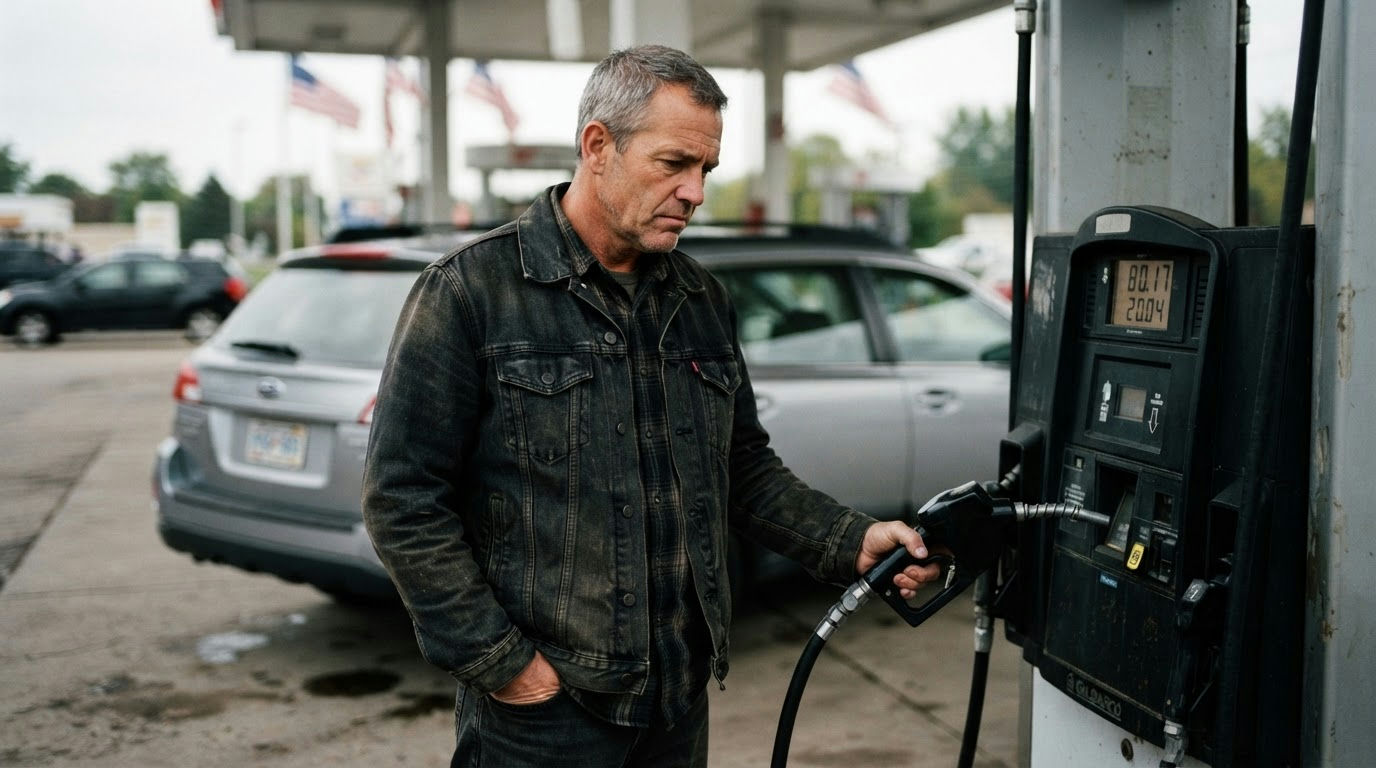
The change arrives as motorists face elevated fuel costs linked to Middle East tensions, with retail gasoline averaging 4.48 dollars per gallon on Monday. Critics pointed out that higher fuel expenditures will outstrip initial vehicle purchase savings over time.
Auto industry representatives welcomed the revised rules. The Alliance for Automotive Innovation said the update aligned standards with consumer demand, noting that former mandates forced an unrealistic shift toward electric vehicles.
Environmental groups criticized the policy. Former Transportation Secretary Pete Buttigieg said weaker benchmarks would raise fuel bills for families while ceding clean vehicle manufacturing to overseas competitors.
The Sierra Club announced it would challenge the finalized fuel economy rollback through legal action.