Climate Leaders Demand Global Solar Energy Access by 2030
An international coalition wants governments and businesses to ensure affordable solar power reaches everyone worldwide to cut fossil fuel dependence and address electricity poverty.
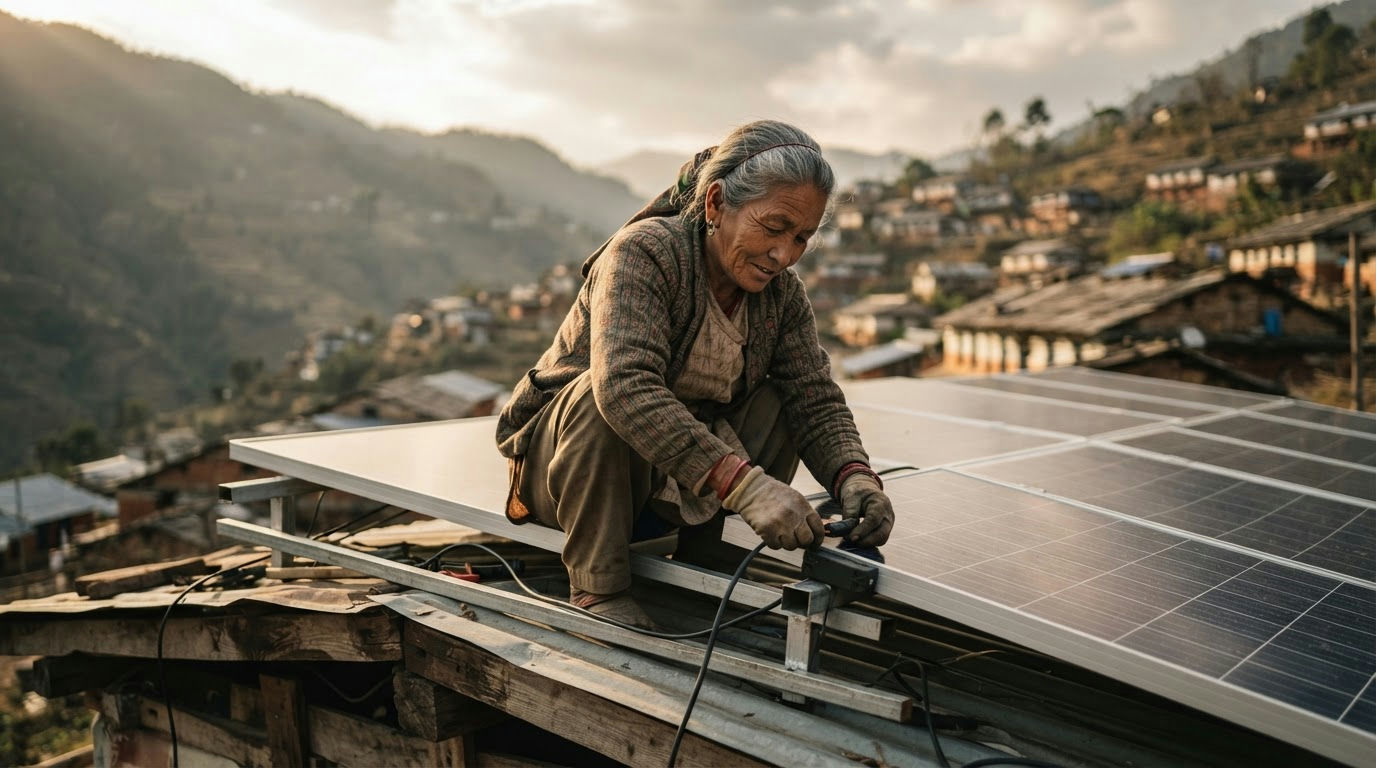
An international coalition of climate advocates, diplomats and public figures called on governments, businesses, institutions and the public in September to secure clean, affordable energy for everyone across the globe by 2030. The appeal came through an open letter delivered during United Nations meetings in New York.
The campaign urges immediate funding and policy changes to expand solar power, battery storage and wind systems. Organizers said roughly one billion people worldwide still live without reliable electricity, while billions more face high costs from fossil fuel consumption. The signatories argued that rapid deployment of renewable infrastructure offers the fastest method to cut utility expenses and lower greenhouse gas emissions.
The coalition includes prominent public figures such as US Senator Bernie Sanders, author Bill McKibben, actress Jane Fonda and former UN climate chief Christiana Figueres. Clean energy executives and civil society leaders from South Africa, Pakistan and the Philippines also backed the statement.
Supporters pointed to recent market shifts demonstrating that renewable systems can scale quickly. Countries such as Pakistan have added millions of rooftop solar panels to alleviate grid shortfalls and bypass expensive imports of liquefied natural gas. In sub-Saharan Africa, off-grid household solar kits provide basic power to remote communities previously bypassed by conventional power grids.
Signatories noted that major manufacturing centres in China and India operate with surplus factory capacity. The group contended that this industrial base could supply panels much faster if governments remove administrative obstacles and halt permits for coal, oil and gas developments.
Significant obstacles remain for widespread adoption before 2030. Grid operators report difficulties managing variable solar feeds during weather shifts. Major economies continue to direct funds toward domestic oil and gas development, and low-income nations often face high borrowing costs that impede clean infrastructure investments.
Campaign leaders plan to use the newly designated Sun Day on June 20 to rally civic groups and press national delegations ahead of future climate summits.