Urban Canopies: Cities' Green Guardians Battling the Heat, Yet Facing Their Own Fight for Survival
As global temperatures continue their relentless climb, cities worldwide are grappling with an escalating "urban heat island" effect, transforming concrete jungles into oppressive ovens. Amidst this challenge, urban trees emerge as indispensable allies, offering a natural and potent defense against extreme heat. However, these arboreal heroes, often taken for granted, are themselves under siege, facing a myriad of threats that imperil their survival and the critical services they provide to millions of urban dwellers. The future livability of cities hinges on a collective commitment to protect and expand these vital green infrastructures.
The Urban Heat Crisis and Nature's Cooling Towers
The phenomenon known as the urban heat island effect causes metropolitan areas to be significantly warmer than their surrounding rural landscapes, often by 3 to 10 degrees Fahrenheit. This differential is primarily due to the abundance of heat-absorbing materials like asphalt, concrete, and dark building surfaces, which trap and re-emit solar radiation. The consequences are far-reaching, leading to increased energy consumption for cooling, heightened public health risks, and accelerated infrastructure degradation. Extreme heat is responsible for more fatalities than any other weather event, disproportionately impacting vulnerable populations.
Urban trees offer a powerful natural antidote. Their canopies provide essential shade, directly blocking sunlight and significantly reducing surface temperatures on streets, sidewalks, and buildings. This direct shading can reduce daytime air temperatures by up to 1.7°C (3°F) within 10 meters of a tree. Beyond shade, trees employ evapotranspiration, a biological process where they release water vapor from their leaves into the atmosphere. This acts like nature's air conditioner, cooling the surrounding air. The cooling effect of one tree through evapotranspiration can be equivalent to at least 10 air conditioners. Urban parks and green spaces, benefiting from a collective canopy, can be up to 5.6°C (10°F) cooler than adjacent built-up areas, and a 10% increase in tree canopy can lower ambient air temperatures by approximately 0.3°C (0.54°F).
Beyond the Breeze: A Cascade of Urban Benefits
The advantages of a robust urban forest extend far beyond temperature regulation. Trees are formidable air purifiers, absorbing harmful pollutants such as particulate matter, nitrogen oxides, sulfur dioxide, carbon monoxide, and carbon dioxide, while simultaneously releasing oxygen. Annually, urban trees in the United States remove an estimated 651,000 metric tons of air pollutants, contributing to substantial health benefits by reducing respiratory and cardiovascular illnesses.
Moreover, strategically placed trees can significantly reduce energy consumption. By shading buildings in summer and acting as windbreaks in winter, they can cut residential heating and cooling costs by 8-12%, and even up to 30% for air conditioning, leading to reduced greenhouse gas emissions from power plants. Economically, this translates into substantial savings; studies suggest that every dollar invested in urban tree planting and management can yield a return of up to 500%.
Urban trees also play a crucial role in water management. They filter and control stormwater runoff, reducing the risk of flooding, minimizing erosion, and enhancing water quality. In terms of public health, access to green spaces and tree cover has been linked to improved mental well-being, reduced stress, increased physical activity, and even enhanced cognitive function in children. A 2023 study even posited that increasing tree cover to 30% in European cities could have prevented nearly 40% of urban heat-related deaths in 2015. Trees further contribute to urban livability by increasing property values, attracting retail business, providing habitat for biodiversity, and acting as natural sound barriers.
Ailing Arboreal Assets: The Threats to Urban Trees
Despite their invaluable contributions, urban trees face a difficult existence. The very environment they seek to ameliorate often poses their greatest challenges. Limited soil volume and space for root growth, compacted soils, and impermeable surfaces like concrete and asphalt hinder their development and access to water. Construction activities frequently damage roots, while poor pruning practices, vandalism, and vehicle collisions inflict physical trauma.
Compounding these man-made pressures are environmental stressors exacerbated by climate change. Extended dry spells and drought conditions, sunscald, frost damage, and wind breakage weaken trees, making them more susceptible to pests and diseases such as insect borers and canker-causing fungi.
The result is alarmingly high mortality rates for urban trees compared to their rural counterparts. Street trees, in particular, exhibit a 0.3% higher mortality rate than non-street trees. While some studies report a typical street tree life expectancy between 19 and 28 years, annual mortality rates for newly planted trees can range widely, with a median of 4.4% to 6.5%. The highest mortality rates often occur within the first few years after planting, underscoring the critical need for proper initial care. Across the United States, cities are reportedly losing approximately 4 million trees each year, highlighting a significant and ongoing decline in urban canopy.
Cultivating Resilience: Investing in the Urban Forest's Future
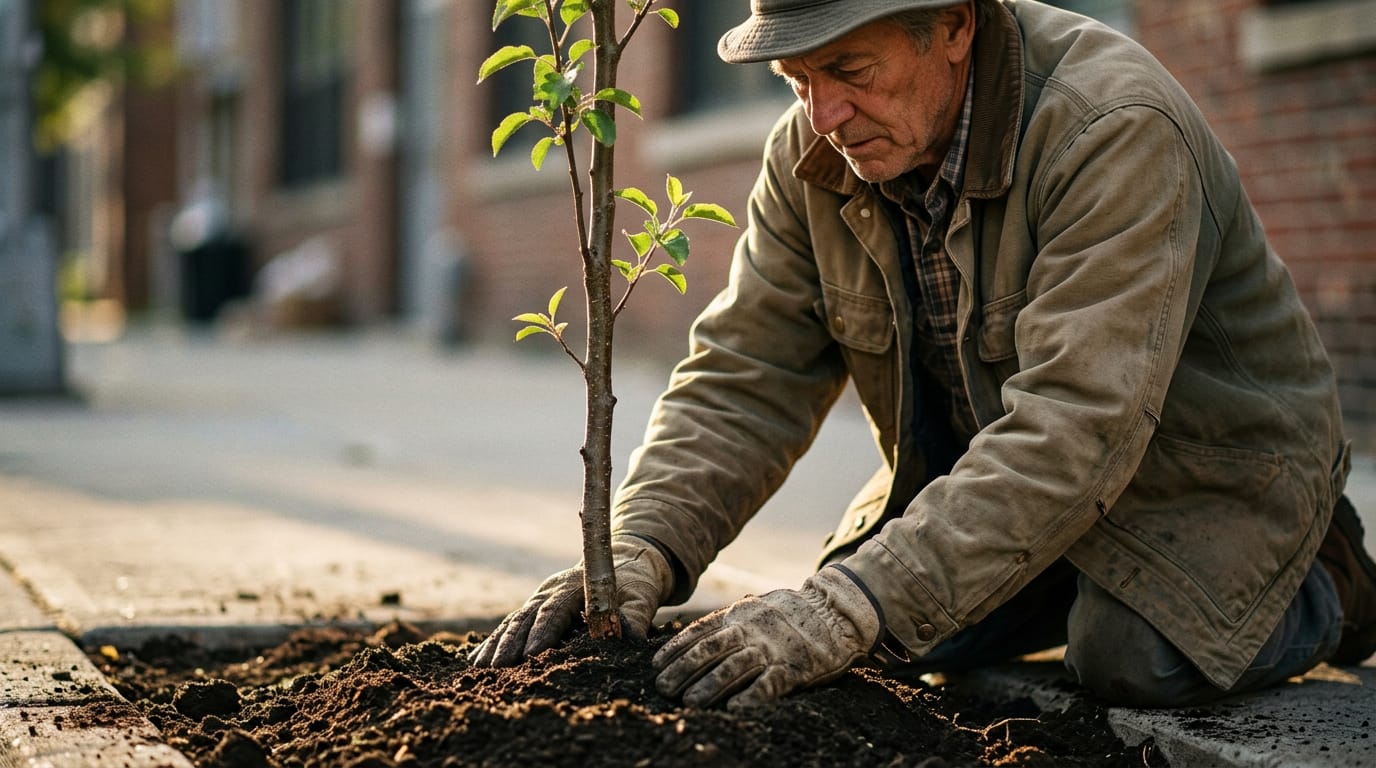
Recognizing the urgent need, cities and communities are increasingly exploring strategies to protect and expand their urban forests. A cornerstone of successful initiatives is strategic planting—the concept of the "right tree in the right place." This involves selecting appropriate species that can thrive in challenging urban conditions and considering how their shade patterns can maximize cooling effects on buildings and pedestrian pathways. For instance, planting deciduous trees on the west side of buildings can provide crucial afternoon shade during summer.
Crucial to tree survival is comprehensive care, particularly for young trees. This includes proper planting techniques, adequate watering, mulching, and thoughtful pruning. Community involvement is also paramount; programs like "Friends of Trees" and "Trees Atlanta" engage residents in planting, stewardship, and educating the public about the multifaceted benefits of urban trees.
Policy and funding mechanisms are also evolving. Government programs, such as the USDA Urban and Community Forestry Program, with significant funding boosts from initiatives like the Inflation Reduction Act, provide grants for tree planting, management, and green infrastructure projects. These initiatives often prioritize equitable distribution of green spaces, recognizing that lower-income communities and communities of color are often disproportionately affected by heat islands and lack sufficient tree canopy. By integrating urban forestry into broader urban planning, cities can create resilient, sustainable, and healthier environments for all residents.
A Collective Imperative for Greener Cities
Urban trees are more than just aesthetic additions; they are critical natural infrastructure, silently battling rising temperatures, purifying our air, managing water, and bolstering public health. As cities continue to expand and warm, the imperative to nurture and grow these vital green assets becomes undeniable. The challenges urban trees face, from harsh environmental conditions to neglect, demand a concerted, long-term effort from policymakers, urban planners, community organizations, and individual citizens. Investing in our urban forests is not merely an environmental choice, but a fundamental investment in the health, resilience, and livability of our cities for generations to come.