A Papacy Forged in Turmoil: Pope Leo XIII's First Year Charts Course for Peace Amidst European Strife
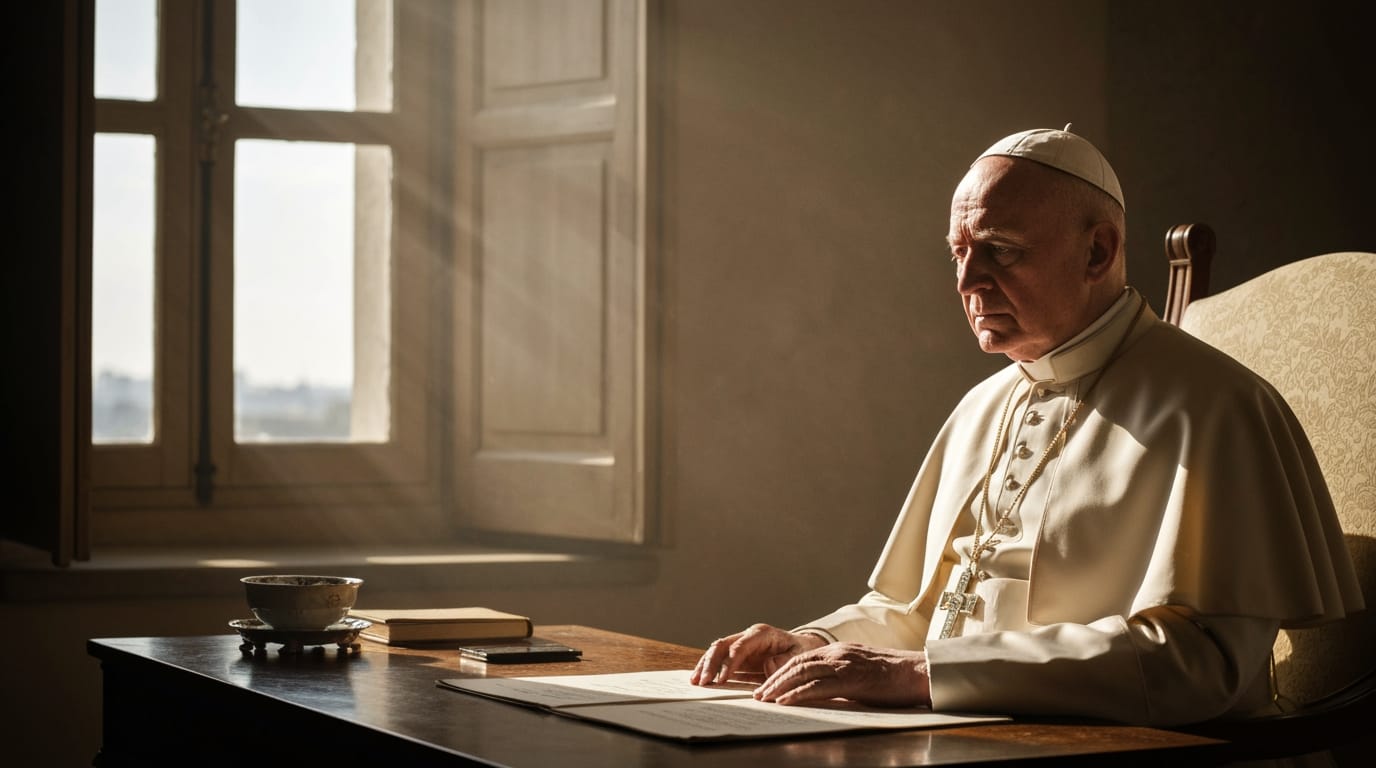
In the tumultuous European landscape of 1878, where nascent nation-states jostled for power and secularism challenged entrenched religious authority, the election of Pope Leo XIII marked a pivotal moment for the Catholic Church. Succeeding the long and often confrontational pontificate of Pius IX, the newly installed pontiff immediately signaled a shift in approach, embarking on a diplomatic and intellectual campaign aimed at fostering reconciliation and establishing the Church as a moral beacon in a world grappling with the specter of conflict and profound social change. His initial year laid the groundwork for a papacy that would consistently advocate for peace, justice, and the restoration of Christian principles in public life.
Navigating a Fractured Continent
Europe in 1878 was a continent simmering with unresolved tensions. The unification of Italy had stripped the Papal States of their temporal dominion, effectively making the Pope a "prisoner in the Vatican" and creating the enduring "Roman Question" which strained relations between the Holy See and the new Italian kingdom. Germany was in the throes of the Kulturkampf, Chancellor Otto von Bismarck's campaign to subject the Catholic Church to state control, leading to the persecution of clergy and the closure of monasteries. Elsewhere, the "Eastern Question" — the diplomatic problem posed by the disintegration of the Ottoman Empire — fueled rivalries among European powers, particularly in the Balkans, threatening broader conflagration. This complex geopolitical environment demanded a leader capable of both spiritual guidance and astute diplomacy.
Pope Leo XIII, born Vincenzo Gioacchino Pecci, ascended to the papacy at 68, initially perceived by some as a transitional figure due to his age and delicate health. However, his intellectual brilliance and diplomatic acumen, honed during his earlier roles as nuncio and bishop, quickly became evident. He understood the urgent need for the Church to engage with the modern world, not in outright opposition, but by offering moral and philosophical guidance to the pressing social and political issues of the day.
A Diplomatic Overture for Reconciliation
From the outset, Pope Leo XIII adopted a more conciliatory tone than his predecessor, seeking to re-establish diplomatic ties and foster understanding between the Church and civil governments across Europe. His strategy was clear: to move the Catholic Church back into the mainstream of European life and regain much of the prestige lost with the fall of the Papal States. One of his earliest and most significant diplomatic maneuvers involved Germany. Recognizing the counterproductive nature of the Kulturkampf, Leo XIII quickly initiated efforts to end the conflict. Within his first year, he wrote to Kaiser Wilhelm, urging the abolition of the harsh "May Laws" that targeted Catholics. While his initial request was refused, these overtures paved the way for future compromises that would gradually dismantle much of the anti-Catholic legislation and improve relations by 1887.
He also began to cautiously engage with other nations, including Russia, where millions of Catholics resided, emphasizing their desire to be loyal subjects if their dignity and religious freedom were respected. These early diplomatic efforts, often through "quiet negotiations and public declarations," aimed to carve out a space for moral diplomacy, giving the Holy See a renewed relevance in the rapidly industrializing and ideologically fracturing world.
Laying the Groundwork for Social Peace
Beyond direct diplomacy, Pope Leo XIII swiftly moved to address the intellectual and social currents that he believed contributed to discord and conflict. In his first year, he issued two significant encyclicals that would foreshadow the broader themes of his pontificate. His inaugural encyclical, Inscrutabili Dei consilio, promulgated on April 21, 1878, addressed the "Evils of Society" and presented a foundational call for a return to Christian principles as the remedy for societal ills. This was quickly followed by Quod apostolici muneris on December 28, 1878, which directly condemned socialism, communism, and nihilism, advocating for social peace and justice based on Catholic teaching.
These early pronouncements demonstrated his commitment to providing a robust intellectual framework for the Church's engagement with modern challenges. He believed that many of the troubles afflicting public and private life stemmed from "false conclusions concerning divine and human things" that had permeated society from philosophical schools. To counter this, he championed the revival of Thomistic philosophy, the teachings of St. Thomas Aquinas, as the truest philosophy for the modern age. This intellectual renewal was not merely academic; it was intended to provide a coherent Catholic response to the ideological conflicts of his era, laying the groundwork for his later, more detailed social encyclicals like Rerum Novarum.
The 'Prisoner of the Vatican' and the Call for Unity
Despite his outward-looking diplomatic endeavors, Pope Leo XIII was deeply constrained by the "Roman Question." He remained a "prisoner in the Vatican," refusing to recognize the Kingdom of Italy's annexation of Rome and the former Papal States. This symbolic imprisonment, inherited from Pius IX, complicated his ability to operate freely and profoundly impacted his perception of the Church's temporal authority. While he tried to reconcile the Church with the modern state and society, his primary objective, particularly in his early years, included the restoration of the Papal State. He clung to the hope that European powers might intervene to restore papal temporal power, though such hopes were ultimately unrealized.
Internally, Pope Leo XIII's first year also emphasized Church unity and the strengthening of Catholic identity amidst a rising tide of anti-clericalism and liberalism. He aimed to reconcile various factions within the Church and strengthen the faithful against external pressures. While his predecessor had been seen as authoritarian, Leo XIII sought to unify the Church through intellectual leadership and clear moral guidance, aiming to restore "normality" after the turbulent years.
A Legacy of Engagement
Pope Leo XIII’s inaugural year set the tone for a transformative pontificate that stretched for 25 years. Despite beginning his tenure as a "prisoner" of the Vatican, he rapidly established himself as a diplomat and an intellectual force, striving to position the Catholic Church as an indispensable voice for peace and justice in a rapidly changing world. His initial efforts in diplomacy, particularly with Germany, and his early encyclicals condemning societal errors and advocating for Christian philosophy, demonstrated a clear vision. He sought not merely to react to the challenges of his time but to proactively shape discourse, consistently calling for international and social peace based on deeply held moral and theological convictions. This enduring commitment to peace, human dignity, and the moral authority of the Church, evident from his first year, would become the hallmark of one of the most influential papacies in modern history.


