Russia Scales Back Victory Day Parade Amid Heightened Security Concerns and War Strain
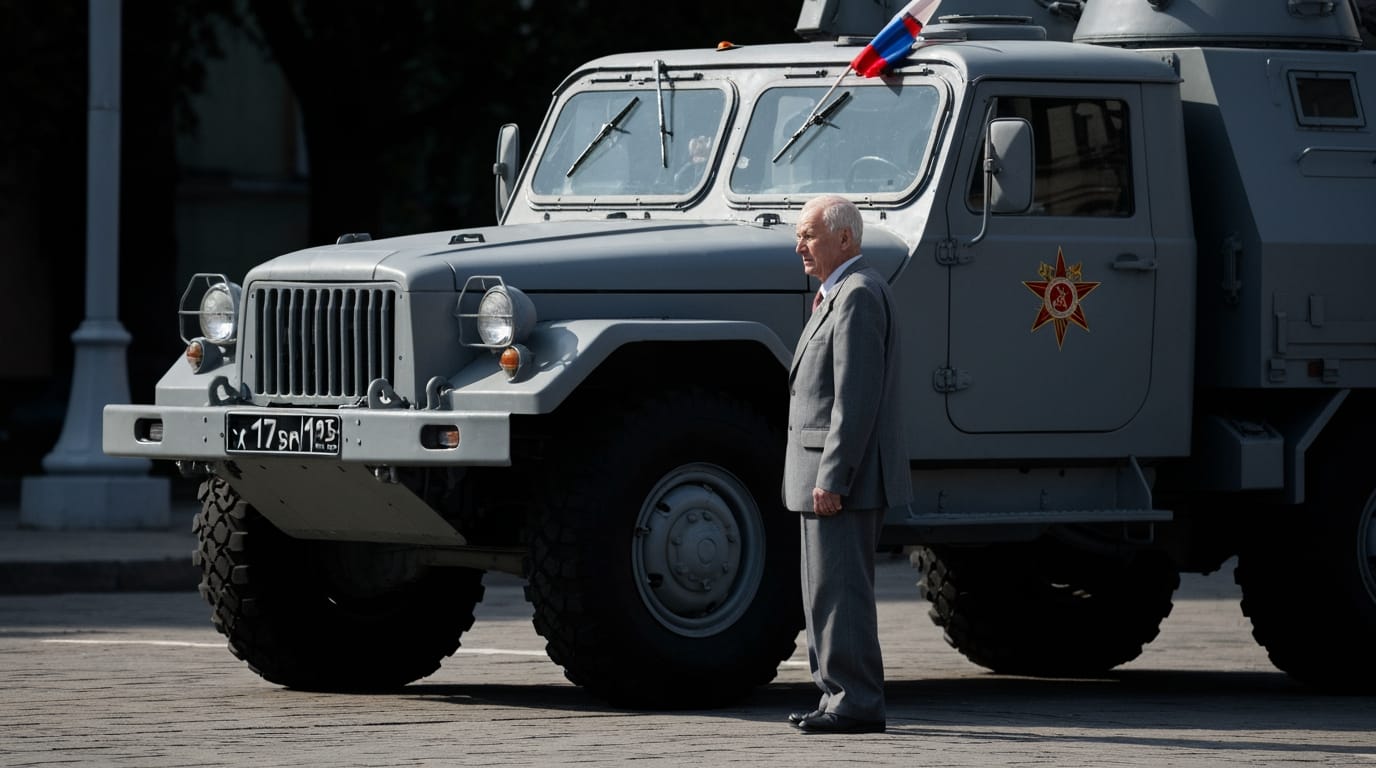
Moscow is preparing for a significantly scaled-back Victory Day parade on May 9, an annual commemoration of the Soviet Union's triumph over Nazi Germany in World War II. This year's events, both in the capital and across numerous Russian regions, will see a marked reduction in traditional military displays, reflecting heightened security concerns stemming from Ukrainian drone attacks and the ongoing conflict in Ukraine. The decision marks a notable departure from the grand spectacles typically used to project Russian military might and national unity, underscoring the current geopolitical realities facing the nation.
A Diminished Spectacle on Red Square
For the first time in nearly two decades, the iconic Red Square parade in Moscow will proceed without heavy military hardware, a stark change from past celebrations that regularly featured tanks, missiles, and armored vehicles. Instead, the procession will primarily consist of marching personnel from higher-level military academies, with the aerial display, including aerobatics and Sukhoi Su-25 fighter jets painting the sky in the colors of the Russian flag, expected to remain unchanged. This reduction directly contrasts with previous years, including 2025, which featured modern tanks, heavy flamethrower systems, ballistic missiles, and even included Chinese soldiers marching alongside Russian troops.
The decision to forgo the display of military equipment is largely attributed to "heightened security fears over the war in Ukraine," as the Kremlin has cited "Ukrainian terrorist activity" as the reason for the changes. Analysts and military bloggers have suggested that Moscow is particularly concerned about potential long-range Ukrainian drone strikes targeting military hardware during parade rehearsals or the event itself. In an attempt to bolster security for the event, Moscow has taken extraordinary measures, including completely restricting mobile internet and SMS access on May 9 and temporarily shutting down airports. Foreign journalists have also been reportedly disinvited from attending the parade due to these security concerns.
Regional Cancellations Signal Widespread Concerns
Beyond Moscow, the scaling back of Victory Day celebrations is even more pronounced across Russia's vast territory. Authorities in at least 15 Russian regions have completely canceled their May 9 parades. These cancellations span a significant geographical area, including regions bordering Ukraine such as Belgorod, Voronezh, Kursk, and Bryansk, where officials explicitly cited "security reasons" and a "difficult operational situation." Other regions, including Krasnodar Krai, Leningrad, Nizhny Novgorod, Rostov, and Saratov, have also called off their events entirely.
According to reports, approximately one-third of Russia's regional capitals, 27 out of 85 federal entities, will not host parades. An additional 37 regional capitals are planning significantly reduced events, with parades either excluding military equipment entirely or featuring other substantial restrictions. The popular "Immortal Regiment" marches, where citizens traditionally carry portraits of relatives who fought in World War II, have been largely moved to an online format in most regions. These widespread cancellations and reductions highlight a pervasive sense of vulnerability across the country, particularly in the face of Ukraine's expanding drone capabilities. The cancellation of Perm's parade, for instance, followed Ukrainian strikes on a local oil refinery.
Historical Significance and Evolving Narratives
Victory Day, celebrated annually on May 9, commemorates the Soviet Union's pivotal role in defeating Nazi Germany in World War II. For modern Russia, it holds immense historical and cultural significance, often described as the country's main holiday alongside New Year. Following the collapse of the USSR, the parades were suspended for nearly two decades before being revived by President Vladimir Putin in 2008. Under Putin's leadership, Victory Day has been elevated to a central pillar of Russian national identity, serving as a powerful symbol of patriotism and military prowess.
Since the full-scale invasion of Ukraine in 2022, the event has taken on an additional, more contemporary purpose. The Kremlin has increasingly used the celebrations to frame and justify the ongoing conflict, drawing parallels between the fight against Nazism in World War II and the stated goals of the "special military operation" in Ukraine. The parade, traditionally an opportunity for Russia to project power on the international stage, has become a key element in solidifying a militaristic national identity.
Geopolitical Implications and Public Perception
The substantial scaling back of the Victory Day parades carries significant geopolitical implications and offers a window into Russia's current challenges. Analysts suggest that the diminished celebrations reveal vulnerabilities and suggest a system increasingly driven by fear rather than strength, especially given the prolonged and costly nature of the war in Ukraine. This unprecedented level of restraint for such a symbolically important event can be interpreted as a tacit admission by the Kremlin of its struggle to ensure security within its own borders.
While the Kremlin attributes the changes to "Ukrainian terrorist activity," external observers view the reduction as a direct consequence of the war's demands on military resources and the growing reach of Ukrainian long-range strikes. The need to conserve military equipment for the front lines, rather than showcasing it in parades, underscores the strain on Russia's armed forces.
Furthermore, the reduced number of foreign leaders attending the Moscow parade, in contrast to last year's event which saw nearly 30 heads of state, is telling. This suggests a reluctance among international figures to be associated with an event increasingly overshadowed by the ongoing conflict and security concerns. The decision to scale back what has historically been a potent display of national pride and military might is seen by some as a "painful and desperate decision" for the Kremlin, undermining its carefully cultivated image of unwavering strength and control.
Conclusion: A Reflection of War's Toll
The significantly scaled-back May 9 Victory Day celebrations across Russia in 2026 are a profound reflection of the ongoing war in Ukraine and its tangible impact on Russian society and state policy. The primary drivers behind these unprecedented reductions—namely, heightened security fears over drone attacks and the imperative to conserve military resources for the front lines—underscore the challenges Russia faces. What was once the pinnacle of national celebration and a powerful display of military might has been recalibrated, showcasing the strains of a prolonged conflict and an evolving threat landscape. The muted parades serve as a visible indicator of the current operational realities and the pervasive security concerns that now influence even the most sacred of national traditions.


