Festus Mogae, Visionary Leader Who Confronted AIDS Crisis, Dies at 86
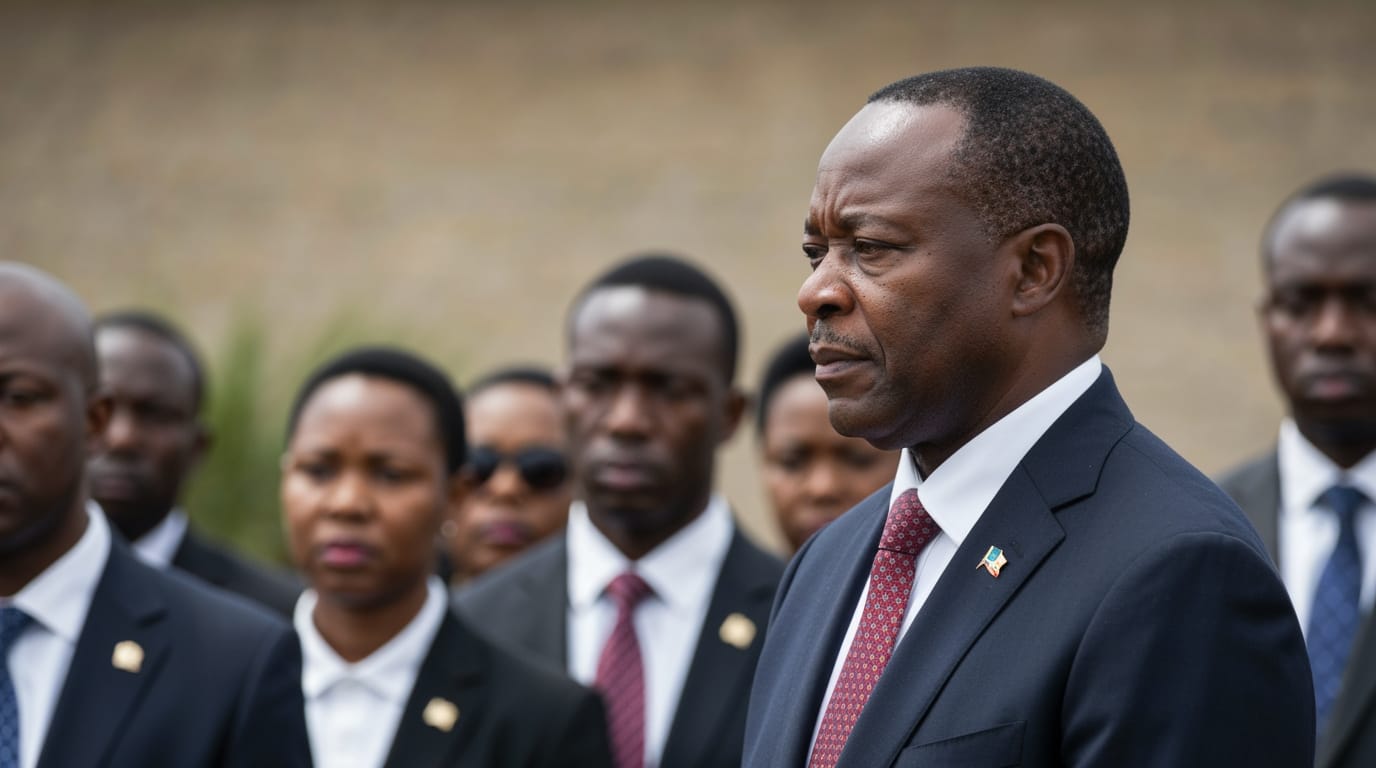
GABORONE, Botswana – Festus Gontebanye Mogae, the former President of Botswana who earned global acclaim for his courageous and decisive leadership in the fight against HIV/AIDS, has died at the age of 86. President Duma Boko announced his passing on Friday, May 8, 2026, marking the end of an era for a statesman widely credited with saving his nation from the brink of demographic catastrophe. Mogae’s unwavering commitment transformed Botswana into a beacon of hope in the global battle against the pandemic, setting a powerful precedent for confronting public health crises with political will and compassion.
A Nation on the Brink: The AIDS Epidemic's Shadow
When Festus Mogae assumed the presidency in 1998, Botswana, a nation celebrated for its stable democracy and prudent management of diamond wealth, was simultaneously grappling with one of the world’s most devastating HIV/AIDS epidemics. The virus cast a long, dark shadow over the country, threatening to decimate an entire generation. At its peak, HIV prevalence rates among adults aged 15-49 were alarmingly high, with some estimates reaching 24% and even 40% in 2001, prompting Mogae to famously warn that his people were "threatened with extinction." The disease was not merely a health crisis but a profound national security threat, eroding the social fabric and undermining economic progress. Life expectancy plummeted, and families were torn apart by illness and death. Unlike many leaders who initially hesitated to openly address the stigma-laden disease, Mogae recognized the existential danger and understood that silence was a death sentence for his people.
Mogae's Bold Response: Pioneering a Path to Survival
Faced with such an dire situation, President Mogae demonstrated extraordinary political will and a pragmatic approach that would define his legacy. He swiftly declared the HIV/AIDS epidemic a national emergency, prioritizing it at the very top of his government's agenda. His administration dedicated substantial domestic resources to combat the virus, a critical move that signaled Botswana's serious commitment to its citizens' health.
One of his most groundbreaking decisions was to initiate a comprehensive national response that included the widespread rollout of free antiretroviral (ARV) drugs to all citizens living with HIV who needed them. Botswana became the first African nation to undertake such an ambitious program, making life-saving treatment accessible at a time when ARVs were largely out of reach for much of the continent. This proactive stance was coupled with robust public education campaigns, expanded voluntary HIV testing and counseling services, and significant strides in preventing mother-to-child HIV transmission. Mogae himself led by example, publicly undergoing an HIV test, a symbolic act that helped to destigmatize the disease and encourage others to seek testing and treatment. He also actively sought international assistance, articulating the severity of the crisis to global forums, including the United Nations General Assembly in 2001, where he compellingly described the epidemic as a national crisis. His leadership was characterized by a clear, consistent narrative that aimed to change health-related beliefs and behaviors among the populace, urging a collective effort toward survival.
The Turn of the Tide: Measurable Success and Global Recognition
Under Mogae’s stewardship, Botswana’s audacious strategy began to yield remarkable results. By 2007, the country had achieved more than 90% ARV treatment coverage for those in need, a testament to the efficiency and dedication of the national health system. The widespread availability of treatment significantly reduced infection and mortality rates, dramatically increasing life expectancy and allowing people living with HIV to lead healthier, more productive lives.
Botswana’s success became a global model for how a nation, even one severely affected, could effectively combat HIV/AIDS through strong leadership, political commitment, and strategic investment. This transformative achievement earned President Mogae widespread international recognition. In 2008, he was awarded the prestigious Ibrahim Prize for Achievement in African Leadership, an honor that acknowledged his "outstanding leadership" in ensuring Botswana's stability and prosperity in the face of the AIDS pandemic. Kofi Annan, then Chair of the Prize Committee, lauded Mogae's leadership for demonstrating what perseverance could achieve in extreme challenges. He also received the Grand Cross of the Légion d'honneur from France for his exemplary leadership.
A Legacy Beyond Presidency: Continued Advocacy and Global Statesmanship
Even after stepping down from the presidency in 2008, Festus Mogae remained a powerful voice in the global health community and an advocate for good governance. His commitment to the fight against HIV/AIDS did not wane; he continued to champion free ARV therapy and measures to prevent mother-to-child transmission across the region. In August 2008, he launched the "Champions for an HIV-free Generation," an initiative that brought together renowned African leaders to encourage their peers to intensify efforts against HIV.
Beyond his pivotal role in health, Mogae served in various international capacities, including as Special Envoy of the United Nations Secretary-General on Climate Change and as a member of advisory boards for global health initiatives. His distinguished career as an economist, civil servant, and president, marked by calm leadership and sound economic management, solidified his reputation as one of Africa's most respected elder statesmen.
Festus Mogae's passing leaves a profound void, but his legacy as a courageous and visionary leader endures. He did not merely manage a crisis; he confronted it head-on with an audacious plan, providing a blueprint for public health intervention that continues to inspire. His unwavering belief in the dignity and survival of his people not only pulled Botswana back from the brink but also offered a powerful lesson to the world: that with genuine political will, even the most formidable health challenges can be overcome. His life stands as a testament to the power of leadership to transform despair into hope, leaving an indelible mark on Botswana and the global fight against AIDS.


