Hungary Embarks on Era of Swift Systemic Change Under New Leadership
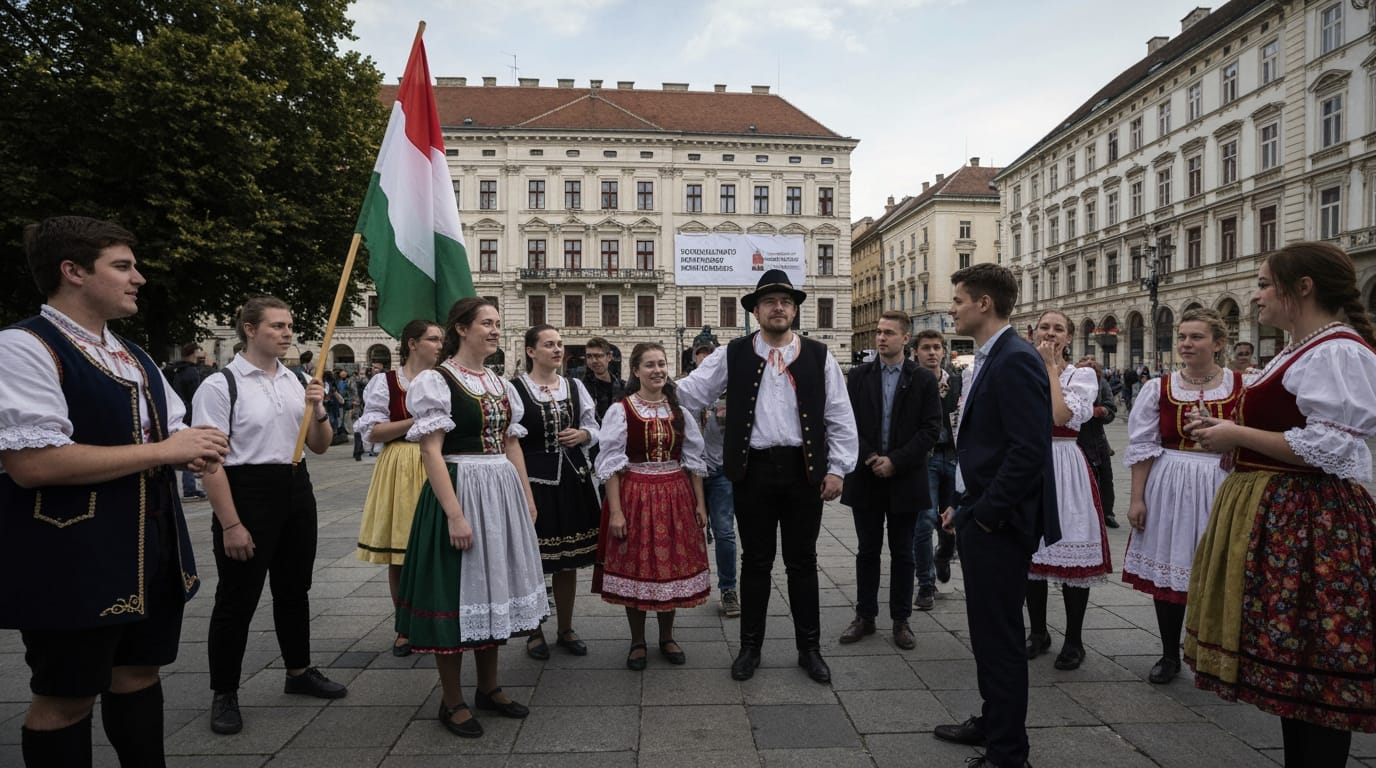
BUDAPEST – Hungary stands on the precipice of a profound political and institutional overhaul as Péter Magyar and his center-right Respect and Freedom Party (Tisza) assume power, signaling an emphatic end to Viktor Orbán's 16-year tenure. The April 12, 2026, parliamentary election delivered a resounding victory for Tisza, securing a two-thirds supermajority with 141 out of 199 parliamentary seats, driven by a palpable public desire for fundamental change. This decisive mandate empowers the new government to initiate swift and comprehensive systemic reforms, aimed at dismantling entrenched power structures, restoring democratic norms, and recalibrating Hungary's position on the international stage.
The Mandate for a New Era: A Rejection of the Past
The recent election marked the most significant political shift in Hungary since Orbán's return to power in 2010, with a remarkable voter turnout approaching 79 percent, one of the highest in modern Hungarian history. This outcome is widely interpreted as a "change of regime," reflecting a widespread rejection of the political system meticulously constructed by Orbán and his Fidesz party over a decade and a half. International observers had increasingly characterized Hungary under Orbán as a "hybrid regime" or "electoral autocracy," citing concerns over weakened judicial independence, diminished media pluralism, and the erosion of institutional checks and balances.
Orbán's prolonged dominance, which saw Fidesz utilize its supermajority to enact constitutional amendments and consolidate control over key institutions, ultimately faced a reckoning with the electorate. Factors contributing to Fidesz's defeat included a period of stagnant economic growth, high inflation that peaked at 24.6 percent in 2023, persistent corruption scandals, and the former government's close alignment with Russia. A significant demographic shift was evident in the voting patterns, with voters under the age of 30 overwhelmingly supporting Magyar. This potent combination of domestic grievances and a yearning for a different trajectory culminated in Tisza's landslide victory, providing Péter Magyar with a clear mandate to steer Hungary in a new direction.
Pillars of Reform: Rebuilding Institutions and Trust
At the heart of the new government's agenda lies an ambitious plan to address the systemic issues that characterized the previous era. A paramount priority is the vigorous crackdown on corruption and the restoration of the rule of law. The Tisza government intends to establish a National Office for Asset Recovery and Protection, specifically tasked with investigating past corruption cases and reclaiming public funds believed to have been misused during Orbán's administration. Furthermore, Hungary is set to join the European Public Prosecutor's Office, signaling a commitment to combating financial crimes affecting the European Union budget, including fraud and corruption.
Judicial independence, a cornerstone of democratic governance that critics argued had been significantly compromised, is also slated for comprehensive reform. The new administration aims to re-establish the autonomy of the judiciary and eliminate political influence within state institutions. Early indications of this intent include Magyar's call for the resignation of senior officials appointed during the Orbán era, such as the president and the president of the Constitutional Court. These moves suggest a willingness to confront and dismantle the institutional mechanisms that concentrated power under the previous government.
Media freedom and pluralism, which had suffered substantial setbacks according to various reports, are another critical area for intervention. The Tisza government has pledged to dismantle Fidesz's media capture model, which involved extensive control over public media and the influence of government-aligned oligarchs. Plans include suspending the news services of the public broadcaster until objectivity can be restored, along with a significant overhaul of the media regulatory system to end the abuse of state advertising and promote a more balanced media landscape. The controversial "Sovereignty Protection Act" and the associated Sovereignty Protection Office, which had been criticized for targeting independent media and civil society, are also slated for repeal and dismantling.
Re-engagement with Europe and Economic Revitalization
A central tenet of the new government's platform is a dramatic reorientation of Hungary's foreign policy, moving away from the confrontational stance adopted by the Orbán administration towards the European Union. Péter Magyar has expressed a strong desire for a more cooperative relationship with the European Commission and other allied nations. A key driver of this re-engagement is the urgent need to unlock billions of euros in frozen EU funds, including EUR 10.4 billion from the COVID-19 recovery fund, EUR 6.3 billion in cohesion funds, and EUR 16.1 billion in low-interest EU defense loans. Magyar has already held discussions with EU officials and is scheduled to visit Brussels to potentially sign a political agreement on the necessary reforms. The symbolic act of flying the EU flag on the parliament building's facade, removed by the previous government, is also expected to resume.
Economically, the new government aims to foster a more predictable and transparent policy environment to rebuild investor confidence. Discussions are expected on the possibility of eventual euro adoption, a move that could stabilize the currency and reduce transaction costs. Policy proposals also include initiatives to support affordable housing, increase wages, and advance small and medium-sized enterprises. Addressing Hungary's fiscal challenges is paramount, as the country remains under an EU excessive deficit procedure and will need to implement a significant fiscal adjustment to comply with EU rules. Tisza has also proposed a wealth tax on forint billionaires, seeking to generate revenue in a country where wealth-based taxes have historically been low. While reaffirming commitments to the EU and NATO, the government signals an end to Russian influence and a less combative approach to the Russia-Ukraine war, though it maintains a cautious stance on Ukraine's fast-tracked EU membership, suggesting a national referendum for approval after accession negotiations.
The Path Ahead: Challenges and Opportunities
As Péter Magyar prepares to take his oath of office on May 9, 2026, the transition will not be without its complexities and potential for domestic and international friction. The dismantling of a system built over 16 years will inevitably lead to intense institutional and constitutional debate. Economically, the government faces significant fiscal constraints, with pre-election spending having worsened the budget situation. The success of reforms will hinge on the government's ability to navigate these challenges while maintaining public enthusiasm and securing cooperation from various stakeholders.
The new era in Hungary, marked by Magyar's "regime-change celebration" and a strong mandate for systemic transformation, represents a critical juncture for the nation. The outcome of these ambitious reforms will not only redefine Hungary's domestic political landscape but also profoundly influence its standing within the European Union and the broader international community, setting a precedent for democratic revitalization in the region.


