Africa's Food Security Under Siege: Hormuz Crisis Triggers Fertilizer Shortage and Looming Hunger
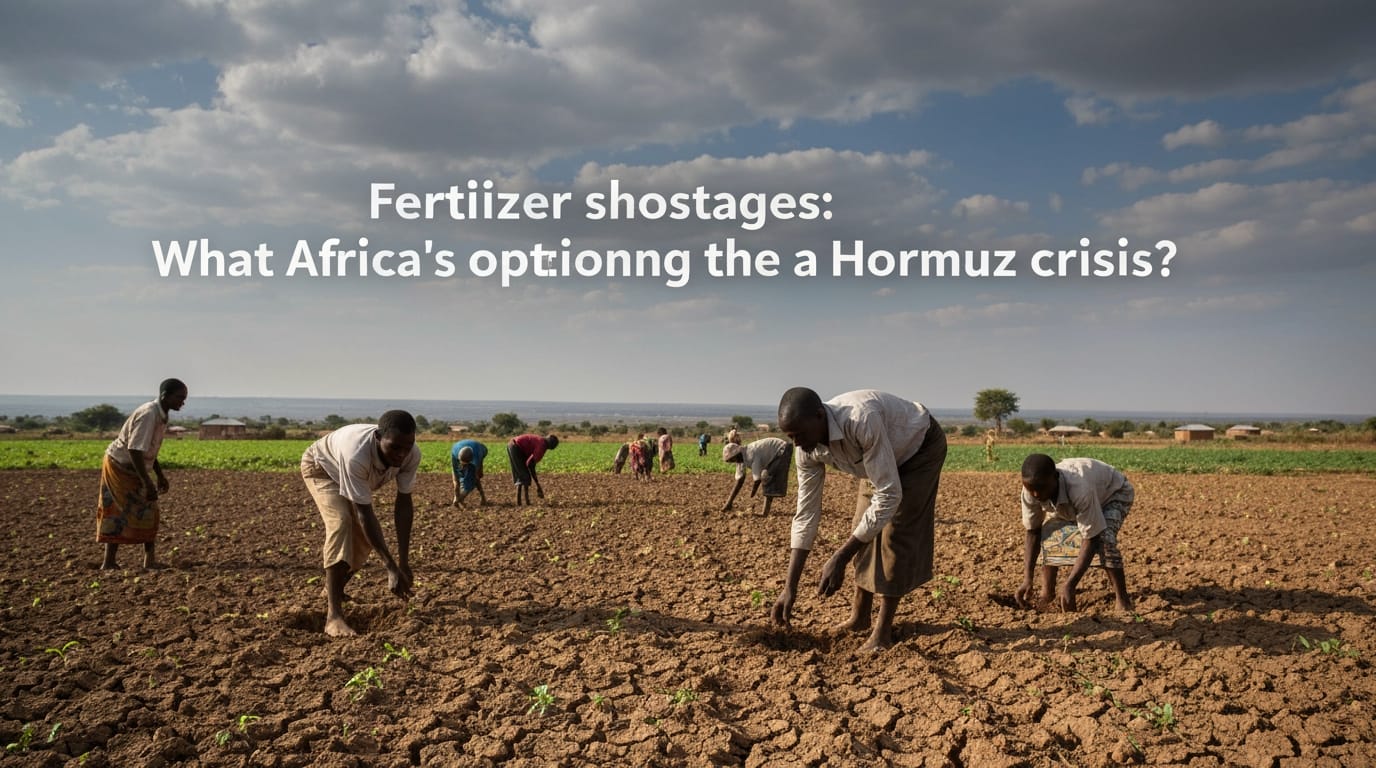
The Strait of Hormuz, a narrow maritime chokepoint vital for global trade, is currently experiencing unprecedented disruptions, sending severe ripple effects across Africa's agricultural landscape. As shipping lanes become volatile and freight costs surge, the continent faces a deepening crisis in fertilizer supply, threatening to plunge millions into acute food insecurity and undermining years of progress in agricultural development. With planting seasons underway in many regions, the unavailability and escalating prices of crucial farm inputs mean a potential catastrophe for Africa's smallholder farmers and the food systems they underpin.
The Hormuz Bottleneck: A Global Chokepoint with African Consequences
The Strait of Hormuz is a critical artery for global commerce, particularly for the transport of essential agricultural inputs. Estimates indicate that roughly one-third of globally traded urea, nearly a quarter of ammonia, and almost half of global sulfur exports—all key components for fertilizer production—typically transit through this waterway. The ongoing conflict in the Middle East has dramatically disrupted these flows, leading to sharply increased freight, fuel, and insurance costs for vessels attempting to navigate the region. In some cases, cargo insurance cancellations have forced operators to halt shipments entirely.
Africa's profound reliance on imported fertilizers makes it particularly vulnerable to such external shocks. Approximately 80% of the fertilizer used across Sub-Saharan Africa is imported, often at prices already higher than in Europe due to logistical challenges. Specific countries exhibit even greater dependence; Sudan sources 54% of its fertilizer through the Strait of Hormuz, while Somalia and Kenya rely on this route for 30% and 26% of their imports, respectively. Beyond fertilizers, East Africa obtains 77% of its oil imports from the Middle East, and South Africa imports around 80% of its fertilizer needs, highlighting the systemic exposure to the region's instability. Even African nations that are major fertilizer producers, such as Morocco, are not immune, as they often rely on imported sulfur, a crucial input also impacted by Hormuz disruptions.
A Looming Harvest Catastrophe: Price Spikes and Projected Yield Declines
The immediate and most tangible impact of the Hormuz crisis on Africa's agricultural sector is the dramatic escalation in fertilizer prices and widespread shortages. Urea prices, for instance, have nearly doubled in a month, surging from under $500 per ton to over $700 per ton. Across many African markets, fertilizer prices have risen by 30-45% since the conflict began, with Nigeria and Ghana reporting increases of nearly 40% and 35% respectively. This alarming trend builds on pre-existing vulnerabilities, as fertilizer prices in Sub-Saharan Africa were already at least four times higher than in Europe before the current crisis.
The brunt of this crisis is borne by Africa's smallholder farmers, who cultivate nearly 70% of the food produced in Sub-Saharan Africa. These farmers, often operating on thin margins, are now facing impossible choices. The skyrocketing cost of inputs forces many to reduce application rates, switch to less fertilizer-intensive crops, or, in severe cases, abandon entire planting seasons. The consequences for food production are dire. The Food and Agriculture Organization (FAO) warns that even a modest 10% reduction in fertilizer availability could lead to a substantial 25% drop in maize, rice, and wheat yields across Sub-Saharan Africa. Current projections suggest yield declines of 12-20% in key agricultural economies such as Kenya, Nigeria, and Ghana, with prolonged shortages potentially leading to catastrophic 50% yield losses.
This confluence of factors translates directly into a heightened risk of food insecurity and inflation. The Sahel region, already grappling with acute food shortages, now faces projections of over 50 million people experiencing acute food insecurity. For the continent as a whole, reduced fertilizer use due to the crisis has exacerbated existing food insecurity and could trigger food inflation of up to 8%. The crisis extends beyond fertilizer, as sharply increasing global oil prices have driven up fuel costs by 10-16% in East and Southern Africa, further escalating transport, logistics, and agricultural production expenses. This combined pressure has created a "major systemic shock to global food systems," with Africa feeling the impact most severely.
Navigating the Immediate Storm: Short-Term Responses and Regional Capacities
In the face of this unfolding crisis, several African nations and regional bodies are scrambling to mitigate the immediate fallout. North African countries, particularly Morocco, Egypt, and Algeria, possess significant fertilizer production capacities that could offer some relief. Morocco alone holds approximately 70% of the world's known phosphate reserves and is a major global producer. Egypt and Algeria also contribute substantially to the continent's nitrogen fertilizer output. However, redirecting these supplies to meet the urgent needs of other African regions faces significant logistical and diplomatic hurdles, including existing rivalries and the sheer scale of the challenge.
Short-term interventions include efforts by some governments to implement subsidies and release strategic reserves to stabilize prices and ensure supply. The African Development Bank Group demonstrated proactive measures in 2022 by launching a $1.5 billion African Emergency Food Production Facility, aimed at helping countries respond to supply disruptions. Experts emphasize the critical need for coordinated procurement strategies among African governments and regional organizations to collectively negotiate better prices and build buffer stocks, thereby reducing vulnerability to export bans and price spikes. However, the logistical complexity of rerouting global cargo, securing trade finance, and moving inputs through often fragile inland infrastructure means that immediate solutions are neither straightforward nor quick, consuming precious time that farmers, especially those in rain-fed systems, do not have before planting windows close.
Building Long-Term Resilience: A Shift Towards Self-Reliance and Sustainable Practices
While addressing the immediate crisis is paramount, the Hormuz disruption underscores Africa's enduring structural vulnerability to external market shocks and has intensified calls for long-term strategies to build agricultural resilience. A key pathway involves significantly boosting local fertilizer production. African countries have collectively committed to prioritizing the domestic manufacturing of fertilizers using locally available raw materials, recognizing that despite the continent's overall status as a net fertilizer exporter, many individual nations remain heavily import-dependent. There has been a notable increase in urea production capacity in countries like Algeria, Egypt, and Nigeria, with facilities such as Nigeria's Indorama Eleme Fertilizer plant serving as exemplars of this potential. Furthermore, the development of local, modular green ammonia production, which utilizes renewable energy and can be tailored to local conditions, presents a promising opportunity to reduce reliance on long supply chains and volatile natural gas prices.
Diversification of import sources beyond traditional hubs is another critical component of a resilient strategy. Complementing enhanced local production, this approach would spread risk and reduce over-reliance on any single region or trade route. Crucially, fostering sustainable agricultural practices offers a fundamental shift away from chemical fertilizer dependency. Strategies include:
- Organic Fertilizers and Compost: Promoting the widespread use of organic materials, such as compost and manure, which enrich soil health, improve water retention, and provide essential nutrients, thereby reducing the need for synthetic inputs. Waste-to-fertilizer models also offer significant potential.
- Crop Rotation and Cover Cropping: Implementing practices that naturally restore soil nutrients, such as rotating crops and using cover crops, especially legumes that fix nitrogen, can enhance soil fertility and structure.
- Agroforestry: Integrating trees like Faidherbia albida into farming systems can significantly improve soil fertility and crop yields, offering a sustainable alternative to costly commercial fertilizers.
- Precision Agriculture: Utilizing modern techniques like soil testing and targeted nutrient application optimizes fertilizer use, minimizes waste, and ensures nutrients are applied efficiently based on specific soil needs.
- Integrated Soil Fertility Management (ISFM): Advocating for a holistic approach that combines both mineral and organic fertilizers to sustainably enhance soil health and agricultural productivity.
These efforts must be supported by robust policy frameworks and strategic investments. Reforming and redesigning subsidies to incentivize efficient fertilizer use and sustainable practices rather than indiscriminate application is essential. Investing in research, innovation, and capacity building for soil health management, alongside leveraging the African Continental Free Trade Area (AfCFTA) to double intra-African fertilizer trade by 2034, are vital steps. A commitment by African leaders to ensure that 70% of smallholder farmers receive tailored agronomic recommendations by 2034 further highlights the intent to empower farmers with the knowledge needed for sustainable and productive agriculture.
Conclusion: A Call for Transformative Action
The Hormuz crisis serves as a stark reminder of the interconnectedness of global supply chains and Africa's persistent vulnerabilities within them. The immediate threat of fertilizer shortages and soaring prices places millions at risk of hunger, demanding urgent action and coordinated responses from national governments and international partners. However, this crisis also presents a critical opportunity for Africa to accelerate its journey towards agricultural self-reliance. By strategically investing in local fertilizer production, diversifying supply chains, and embracing sustainable farming practices, the continent can not only mitigate future shocks but also foster a more resilient, equitable, and food-secure future for its burgeoning population. The path forward requires a transformative shift, moving beyond reactive measures to proactive strategies that empower African farmers and build robust food systems capable of weathering any storm.


