A Silent Scourge: Undiagnosed TB Threatens Public Health in Southern Africa

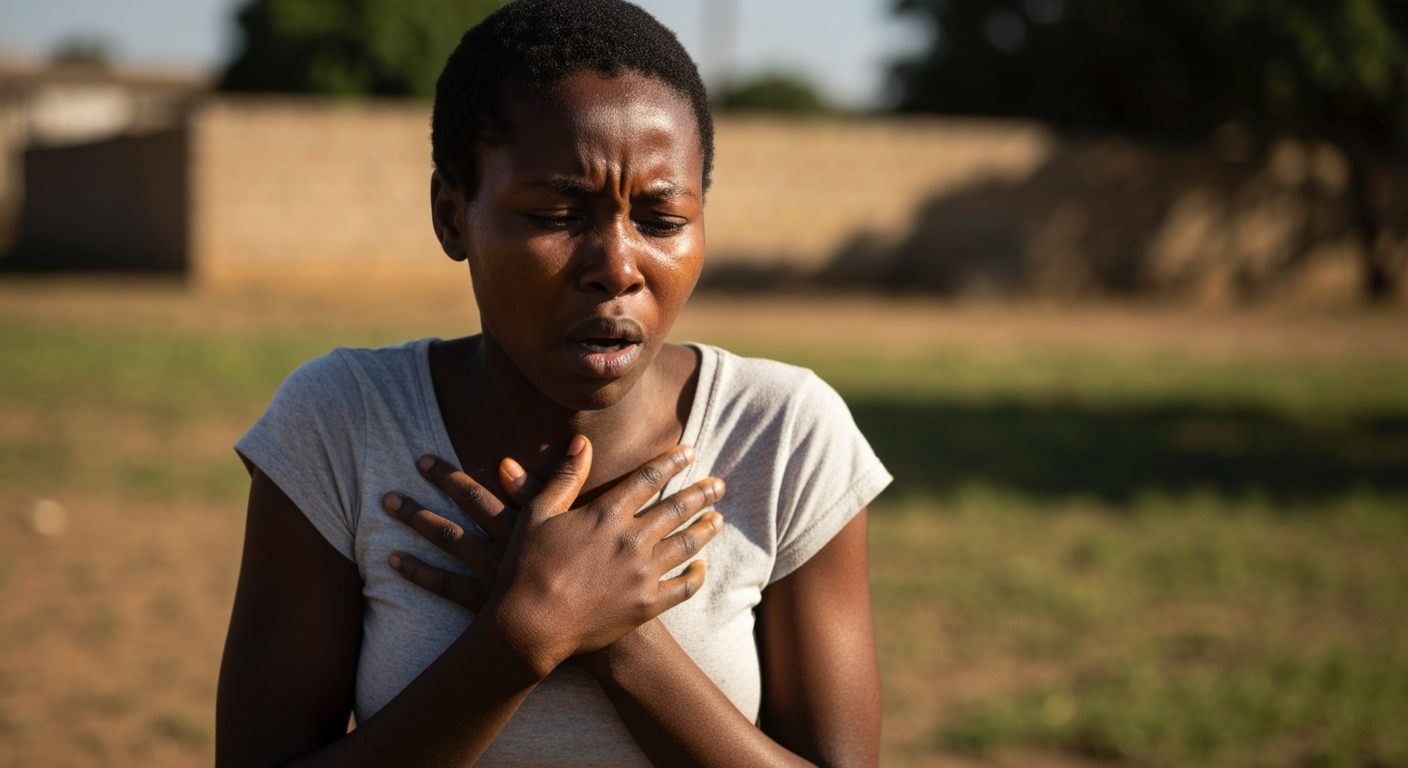
Tuberculosis (TB), a preventable and curable disease, continues to cast a long shadow over Southern Africa, with South Africa and Mozambique particularly struggling against a hidden epidemic of undiagnosed cases. This pervasive challenge undermines efforts to control the disease, fuels ongoing transmission, and contributes significantly to mortality rates, painting a stark picture for public health in the region. Despite considerable global attention and advancements in treatment, a substantial portion of infected individuals remains undetected, silently perpetuating the spread of this ancient adversary within vulnerable communities.
The Alarming Scope of the Hidden Epidemic
The sheer volume of undiagnosed tuberculosis cases represents a critical flaw in the public health infrastructure of both South Africa and Mozambique. In Mozambique, an estimated 162,000 people fell ill with TB in 2018, yet only 93,546 were reported, leaving approximately 68,454 cases (42%) unreached by the health system. More recently, Mozambican health authorities diagnosed over 48,000 cases in the first half of 2025, compared to 54,000 in the same period of 2024, still anticipating around 121,000 cases annually based on incidence rates. The country remains among those with the highest incidence globally, recording 121,000 cases in 2023. The estimated case detection rate in Mozambique was very low at around 39% in 2014.
South Africa, a country grappling with one of the world's most severe TB epidemics, reported an estimated 270,000 new TB cases in 2023, with approximately 56,000 deaths attributed to the disease in the same year. The World Health Organization (WHO) estimated 55,000 fatalities in 2023, while around 280,000 people were infected. A significant portion of these cases go undiagnosed; in 2022, an estimated 23% of people with TB in South Africa were undiagnosed, contributing to a burden of "missing" cases. Some estimates suggest almost 350,000 cases of TB go undiagnosed annually in South Africa. The prevalence survey in South Africa in 2018 indicated that 58.2% of individuals diagnosed with TB reported no symptoms. These "missing" cases are a major driver of the ongoing epidemic, as infected individuals unknowingly transmit the disease.
The Dual Burden: HIV Co-infection and Socioeconomic Disparities
The intertwined epidemics of HIV and TB significantly exacerbate the diagnostic challenge in both nations. Mozambique faces an alarmingly high HIV prevalence, with 11.5% of individuals aged 15 to 49 living with the virus. This high prevalence directly impacts TB incidence, as HIV weakens the immune system, making individuals far more susceptible to developing active TB. Mozambique has one of the highest TB/HIV co-infection rates, with 58% of all notified TB cases being HIV-positive. In 2018, 36% of the estimated 162,000 people who fell ill with TB in Mozambique were co-infected with HIV.
Similarly, in South Africa, over half of TB cases (54%) in 2023 were among people living with HIV. While the expansion of HIV treatment has improved TB incidence by 57% since 2015, TB deaths have only decreased by 16%, highlighting the persistent fatality among co-infected individuals. HIV co-infection complicates diagnosis and treatment, often leading to atypical TB presentations and higher mortality rates.
Beyond HIV, socioeconomic factors play a crucial role. Both countries contend with deep-seated poverty, limited access to healthcare services, particularly in rural areas, and insufficient public awareness. In Mozambique, remote provinces struggle with underdeveloped healthcare services and a shortage of trained professionals. Urban areas often report higher incidence rates due to population density and better reporting, but rural regions face underreporting due to limited access. The financial strain of lost income and costs associated with travel and nutrition, even when TB services are free, can act as significant barriers to seeking and maintaining care.
Obstacles to Early Detection
Several systemic and practical barriers prevent the early diagnosis of TB. A primary issue is the reliance on passive case finding, where individuals only seek care once symptoms become severe. By this stage, considerable transmission may have already occurred. Many people with TB, especially those with asymptomatic or subclinical forms, may not experience the typical "cough, fever, night sweats, and weight loss," leading them to delay seeking medical attention or to be misdiagnosed with other conditions. A global review found that around 50% of people diagnosed with TB did not report any symptoms.
Diagnostic methods in some areas, particularly in Mozambique, still rely on sputum smear microscopy, which has low sensitivity, especially in people living with HIV. While molecular diagnostics like GeneXpert have been widely adopted in South Africa for over a decade, and Mozambique has piloted these machines, access remains a challenge in many settings. The cost of advanced testing in the private sector can also deter patients, pushing them towards less effective public health options or no testing at all.
Furthermore, stigma associated with TB, often linked to HIV co-infection, discourages individuals from getting tested or disclosing their status, creating a social barrier to care. Healthcare worker attitudes, long waiting times, and drug stockouts also contribute to making facilities unwelcoming, further hindering access to care.
The Far-Reaching Consequences of Unseen Disease
The failure to diagnose TB cases early has profound and far-reaching consequences. Firstly, it fuels the ongoing transmission of the bacterium within communities. Undiagnosed individuals, particularly those with asymptomatic or subclinical TB, can spread the infection unknowingly, creating a continuous reservoir for the disease. Some research suggests that even sub-clinical cases can spread infection undetected.
Secondly, late diagnosis leads to poorer treatment outcomes and increased mortality. Untreated TB can cause permanent lung damage and spread to other organs, leading to life-threatening complications such as pneumonia, acute respiratory distress syndrome, or disseminated TB infection. In Mozambique, approximately 43,000 people died from TB in 2018, with half of those deaths occurring in people living with HIV. South Africa recorded 56,000 TB deaths in 2023.
Finally, the burden of undiagnosed TB places immense strain on already stretched healthcare systems and economies. Resources are diverted to manage advanced cases, and productivity is lost due to illness and premature death, disproportionately affecting economically active young adults. The cut in international funding, such as from USAID, has further influenced the increase in tuberculosis cases in Mozambique.
Forging Ahead: Innovations and Integrated Approaches
Despite the formidable challenges, both South Africa and Mozambique are implementing various initiatives to improve TB diagnosis and control. South Africa has made significant strides in scaling up rapid diagnostic testing, conducting a record 2.7 million tests in 2023. The country also launched an app for self-screening and an SMS notification system for results, aiming to reduce "missing" cases. Efforts include the "End TB" campaign, which aims to test five million people and diagnose around 250,000 cases in 2025/26, with a focus on high-risk groups and informal settlements. Innovative models are exploring ways to connect private general practitioners to free public sector TB testing, utilizing mobile referral applications for specimen transport and results.
Mozambique has also embarked on community-based service delivery interventions, including house-to-house outreach and monthly "cough days" to actively find cases. The "Cough Officers" program, initiated in 2016, trains individuals to recognize possible TB cases, thereby improving case identification and reducing transmission risks in health facilities. An innovative sputum transportation system using motorcyclists delivers samples to diagnostic sites, particularly in high-burden provinces. The country has also expanded its GeneXpert network and implemented GxAlerts for timely dissemination of diagnostic results. Initiatives like L'Initiative are supporting innovative technologies and strategies for screening, particularly for pediatric TB, and addressing healthcare worker safety.
Both nations are focusing on integrating TB and HIV services, recognizing the critical co-infection challenge. This includes offering combined TB and HIV clinics and screening for HIV among TB patients. Strengthening laboratory capacity and using data management systems like SIS-MA (DHIS2) are crucial for monitoring and decision-making.
A Path Towards Eradication
The battle against undiagnosed TB in South Africa and Mozambique remains an uphill one, characterized by a complex interplay of clinical, social, and economic factors. The silent nature of many infections, coupled with deeply entrenched inequalities and healthcare access gaps, continues to challenge progress. However, through sustained commitment to innovative community-based strategies, integrated care models, technological advancements in diagnostics, and addressing the social determinants of health, these nations are striving to bring the hidden epidemic into the light. Only by finding and treating every case can the cycle of transmission be broken and the ultimate goal of ending TB be realized, securing a healthier future for all.
Related Articles

A Spreading Scourge: How Conflicts in Congo, Sudan, and Yemen Fuel a Global Health Crisis
Geneva, Switzerland – Ongoing conflicts in the Democratic Republic of Congo (DRC), Sudan, and Yemen are precipitating a catastrophic collapse in public health, transforming these war-torn nations into breeding grounds...

Debunking the Myth: Statins Do Not Cause Dementia, Extensive Research Confirms
A persistent myth linking statin medications to an increased risk of dementia or significant cognitive decline continues to circulate, often fueled by social media and anecdotal reports. However, decades of rigorous...


New Drug Daraxonrasib Offers Unprecedented Hope, Extending Lives for Advanced Pancreatic Cancer Patients
A significant breakthrough in the relentless fight against pancreatic cancer has emerged with the introduction of daraxonrasib, a new oral medication that has demonstrated the ability to nearly double the survival time...