U.S. Aid Cuts Under Scrutiny as Central Africa Grapples with Worsening Ebola Outbreak

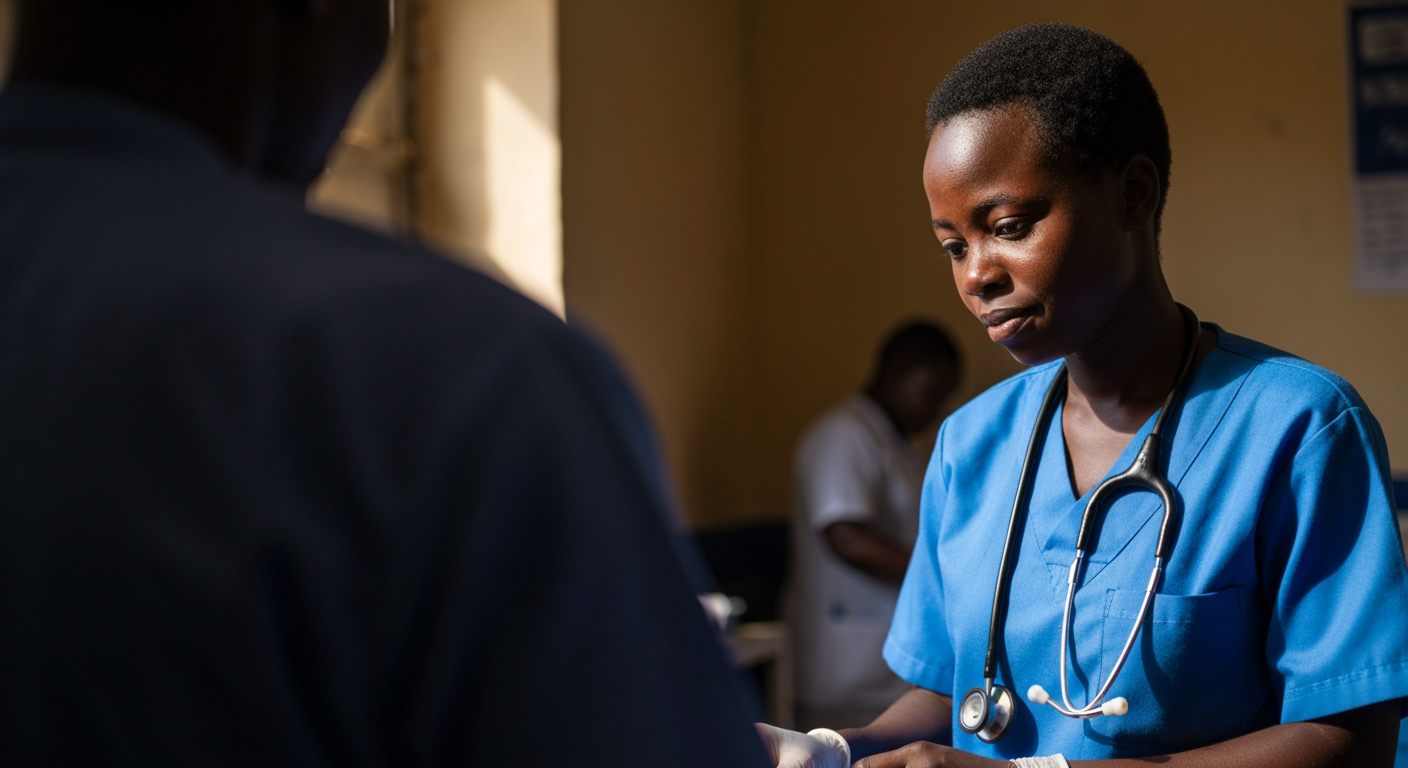
A burgeoning Ebola outbreak in Central Africa is drawing urgent international attention, not only for its escalating human toll but also for renewed scrutiny of past U.S. foreign aid reductions, which many public health experts argue have severely hampered the region's ability to detect and contain the deadly virus. With hundreds of cases and over a hundred deaths reported across the Democratic Republic of Congo (DRC), Uganda, and heightened alerts in neighboring countries, the crisis is unfolding amidst concerns that a significant rollback of U.S. funding for global health programs created critical vulnerabilities that allowed the current outbreak to intensify undetected.
The Outbreak's Resurgence and Regional Impact
The current Ebola outbreak, primarily affecting the Ituri province in the DRC, has rapidly escalated, with over 500 cases identified and more than 100 fatalities. The highly virulent Bundibugyo strain of the virus is responsible for the current crisis, which has spread from the DRC into neighboring Uganda, prompting Rwanda and South Sudan to activate high alert protocols. The rapid progression of the disease underscores the fragility of health infrastructure in the affected regions. A small number of American citizens have also been impacted, leading to enhanced screening and travel restrictions imposed by U.S. health authorities for travelers from outbreak-affected countries. Local health systems, already strained, face immense pressure in managing cases, conducting contact tracing, and ensuring safe burial practices, all critical components of an effective Ebola response.
The Retreat of U.S. Global Health Funding
At the heart of the debate is the significant reduction in U.S. foreign assistance that occurred in recent years. Public health advocates and former officials point to the Trump administration's dismantling of the United States Agency for International Development (USAID) and subsequent cuts to global health programs as a pivotal factor. Foreign assistance spending reportedly fell by nearly 57 percent after USAID was shut down. These reductions directly impacted programs that had previously financed crucial laboratory networks, disease surveillance initiatives, and emergency response efforts across Africa. Historically, USAID had provided substantial financial support, including up to $11.5 million for prior Ebola efforts across the continent. The withdrawal of these long-standing investments left a significant void in a region perpetually vulnerable to infectious disease outbreaks.
Erosion of Surveillance and Early Warning Systems
The practical consequences of these funding cuts were immediate and far-reaching, directly impacting the efficacy of early detection and rapid response mechanisms. A funding freeze reportedly led some USAID-funded partner organizations engaged in surveillance and tracking work to cut staff or cease operations entirely. This erosion of capacity is believed to have contributed to a "massive surveillance failure," allowing the Bundibugyo strain of Ebola to circulate undetected for an estimated six to eight weeks in northeastern Congo before it was finally confirmed in laboratory tests. Public health experts have highlighted that such delayed detection is catastrophic for diseases like Ebola, where speed in containment is paramount. The absence of robust surveillance systems meant that critical early warning signals were missed, allowing the virus to gain a dangerous foothold and spread significantly before any coordinated response could be mounted.
A Broader Impact: WHO and Global Health Preparedness
Beyond direct regional aid, the broader landscape of global health preparedness was also significantly affected. The withdrawal of U.S. funding from the World Health Organization (WHO) further compounded the challenges. This decision reportedly led to a 37 percent cut in the WHO's emergency budget for health crises, forcing the agency to lay off thousands of staff and leaving its emergency contingency fund nearly depleted. The WHO, which mounted one of its largest-ever deployments during the 2018 DRC Ebola outbreak, found its capacity severely curtailed at a time when global collaboration was more critical than ever. The weakening of international health bodies and regional surveillance networks created a perfect storm for an infectious disease to thrive, undermining decades of effort to build a global defense against pandemics.
Renewed Efforts and Lingering Vulnerabilities
In response to the current escalation, the U.S. State Department has mobilized an initial $13 million in foreign assistance to support immediate response efforts, bolstering surveillance, laboratory capacity, risk communication, and clinical case management in affected countries. However, public health experts emphasize that these late-stage interventions, while welcome, offer a "band-aid" solution to deep-seated issues created by years of underinvestment. Concerns remain that the broader vulnerabilities created by reductions in disease preparedness programs and international coordination could leave both foreign and domestic populations exposed to greater risks in the future. Experts underscore the critical importance of sustained, predictable funding for global health initiatives to rebuild and strengthen surveillance systems, ensure timely responses, and ultimately protect populations worldwide from the devastating impact of emerging infectious diseases.
The current Ebola outbreak in Central Africa serves as a stark reminder of the interconnectedness of global health security and the critical role of international cooperation. While the immediate focus remains on containing the current crisis, the debate surrounding past U.S. aid cuts highlights the long-term ramifications of neglecting global health infrastructure. Public health officials and humanitarian organizations continue to advocate for robust, consistent investment in disease prevention and response programs worldwide, arguing that such commitments are not merely acts of benevolence but essential safeguards for global well-being and national security.
Related Articles

Debunking the Myth: Statins Do Not Cause Dementia, Extensive Research Confirms
A persistent myth linking statin medications to an increased risk of dementia or significant cognitive decline continues to circulate, often fueled by social media and anecdotal reports. However, decades of rigorous...

New Drug Daraxonrasib Offers Unprecedented Hope, Extending Lives for Advanced Pancreatic Cancer Patients
A significant breakthrough in the relentless fight against pancreatic cancer has emerged with the introduction of daraxonrasib, a new oral medication that has demonstrated the ability to nearly double the survival time...