A Stolen Homecoming: The Tragic Fate of Ethnic Germans in Post-War Yugoslavia
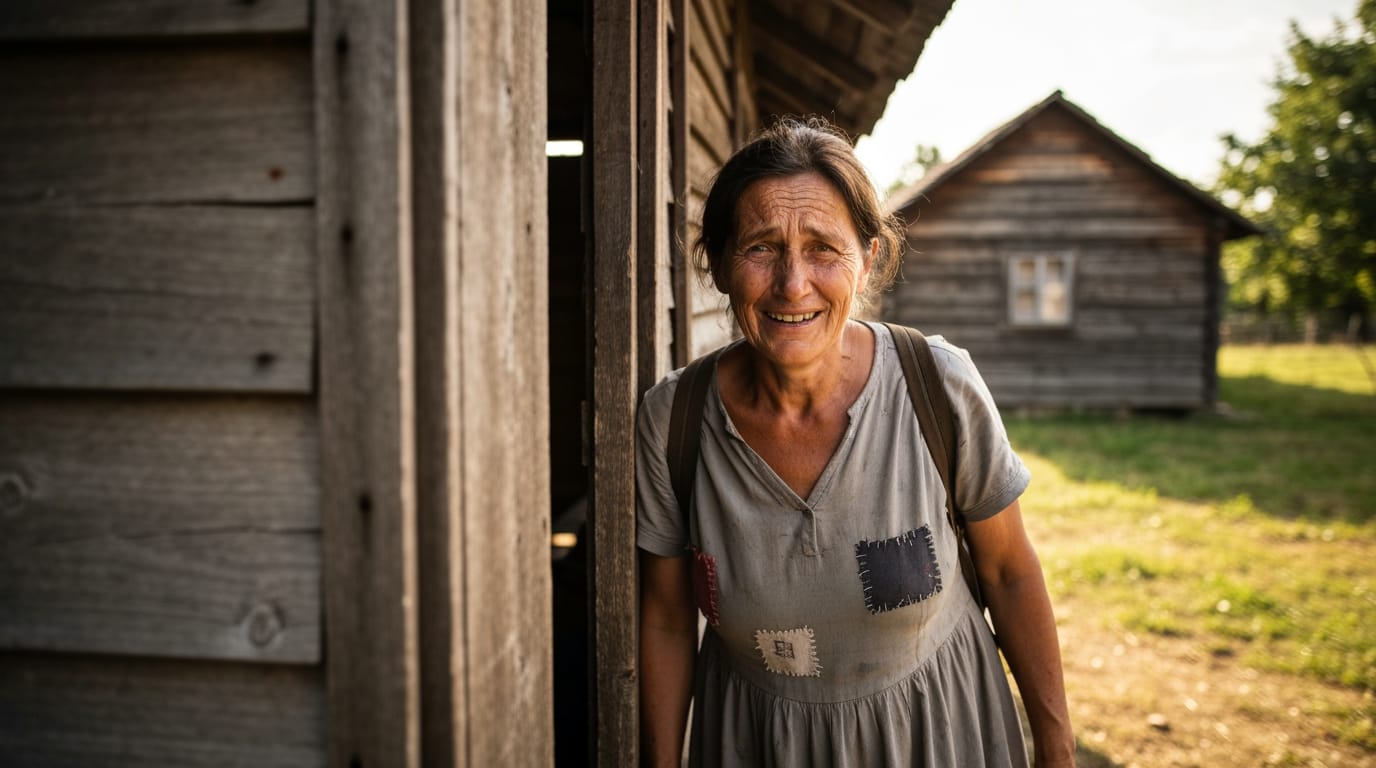
As the guns of World War II fell silent across Europe, millions found themselves displaced, seeking refuge from the devastation of conflict. For the ethnic German communities of Yugoslavia, however, the end of the war brought not shelter, but a brutal period of collective punishment, internment, and widespread loss that dramatically reshaped their centuries-old presence in the region. Their story, long overshadowed by the broader narratives of war, reveals a complex and often tragic chapter of post-war ethnic cleansing and displacement.
A Deep-Rooted Presence and Divided Loyalties
For centuries, communities of ethnic Germans, primarily known as Danube Swabians or Donauschwaben, had been an integral part of Yugoslavia's demographic tapestry. By the eve of World War II, their population numbered between 520,000 and 540,000, largely concentrated in regions like Vojvodina, within present-day Serbia, and Croatia. Their ancestors had been encouraged to settle in the Danube basin in the 1700s after the expulsion of the Ottoman Turks, contributing significantly to the agricultural and economic development of the area.
The outbreak of World War II and the subsequent Nazi occupation of Yugoslavia placed these communities in an untenable position. While some remained loyal to their Yugoslav homeland, a significant portion, particularly in the Serbian Banat, became actively aligned with the Nazi regime. They adopted Nazi ideologies, administered local governance on behalf of the Third Reich, supplied German troops, and critically, contributed thousands of soldiers to the Waffen-SS, including the notorious 7th SS Volunteer Mountain Division "Prinz Eugen." This unit was responsible for severe human rights violations against civilians throughout Yugoslavia, fueling deep-seated resentment and marking these communities with the indelible stain of collaboration. Some ethnic Germans were also conscripted into German, Hungarian, or Croatian armies during the war.
The Onset of Displacement: Flight Before Retribution
As the tide of war turned decisively against the Axis powers in 1944, the precarious situation of Yugoslavia's ethnic Germans rapidly deteriorated. Anticipating fierce retribution from the advancing Soviet Red Army and Yugoslav Partisan forces, German authorities orchestrated large-scale evacuations. Hundreds of thousands of ethnic Germans fled their homes, seeking refuge in Germany and Austria. Estimates suggest that between 220,000 and 245,000 were evacuated or fled Yugoslavia in the final months of the war, a stark testament to the terror of impending conflict and the fear of partisan vengeance.
This mass exodus, however, did not encompass the entire ethnic German population. Approximately 200,000 to 220,000 remained in their ancestral lands, many unable or unwilling to leave, clinging to the hope that their long-standing presence would offer some protection against the coming storm. This hope proved to be tragically misplaced, as the post-war policies of the newly established Communist Yugoslavia would usher in a period of intense suffering.
From Citizens to 'Enemies of the State': Internment and Dispossession
With the Communist Partisans seizing control, the fate of the remaining ethnic Germans was sealed by a series of decrees that stripped them of their fundamental rights. On November 21, 1943, even before the war's conclusion, the Anti-fascist Council of People's Liberation of Yugoslavia (AVNOJ), the legislative body of the anti-Axis resistance, issued provisions that mandated the automatic loss of Yugoslav citizenship for all persons of German nationality. Simultaneously, their movable and immovable properties were confiscated by the state, effectively rendering them stateless and dispossessed within their own homes.
This collective punishment paved the way for mass internment. Between 1944 and 1949, tens of thousands of ethnic Germans—men, women, children, and the elderly—were forcibly rounded up and confined to dozens of internment and labor camps across Yugoslavia. These facilities, far from offering shelter, became sites of immense hardship. Conditions were notoriously brutal, characterized by severe overcrowding, inadequate sanitation, and acute food shortages, leading to rampant disease and widespread starvation.
The Grim Toll: Mortality and Forced Labor
The human cost of these internment policies was catastrophic. Historical accounts and studies indicate that the mortality rates within these camps were extraordinarily high. Estimates suggest that between 50,000 and 64,000 ethnic German civilians perished in the camps between 1944 and 1949, with some sources labeling these deaths as a form of genocide. One report indicates that approximately 18% of the ethnic German civilian population remaining in Yugoslavia died between 1945 and 1950.
Beyond the camps, many ethnic Germans were subjected to forced labor within Yugoslavia, contributing to the post-war reconstruction efforts under harsh conditions. A significant number were also forcibly deported to the Soviet Union for arduous labor. Between 1944 and 1945, an estimated 27,000 to 30,000 ethnic Germans from Yugoslavia, predominantly women and men between the ages of 18 and 45, were sent to the USSR, with many succumbing to the brutal conditions there. In addition to systematic deaths in camps, partisan bands engaged in retaliatory massacres, particularly in regions like Vojvodina, further contributing to the decimation of the ethnic German population.
A Suppressed History and Lasting Impact
By 1948 and 1949, most of the internment camps were officially dissolved. The surviving ethnic Germans, deprived of their citizenship and property, faced an impossible future in Yugoslavia. Consequently, the vast majority chose to emigrate, seeking new lives in Germany, Austria, and other countries. The demographic shift was stark: the 1948 Yugoslav census recorded only 55,337 ethnic Germans remaining, a mere 10% of their pre-war numbers. Most of these few remaining individuals had also left within the following decade, effectively marking the end of a significant, organized ethnic German presence in the region.
For decades, the official Communist narrative in Yugoslavia largely suppressed the full details of these events, portraying the ethnic Germans collectively as collaborators and ignoring the widespread suffering inflicted upon the civilian population. However, with the dissolution of Yugoslavia and the collapse of Communist systems, a more comprehensive re-examination of this period has emerged. Historians and researchers have increasingly documented the atrocities committed against the Volksdeutsche, with some characterizing these actions as ethnic cleansing or even genocide, highlighting a painful and complex legacy that continues to be explored and debated. The story of the ethnic Germans in post-war Yugoslavia stands as a stark reminder of the devastating consequences of collective guilt and the profound human cost of wartime retribution.


