Sudan's Three-Year War Plunges Millions into Despair, Fueling Unprecedented Child and Hunger Crisis
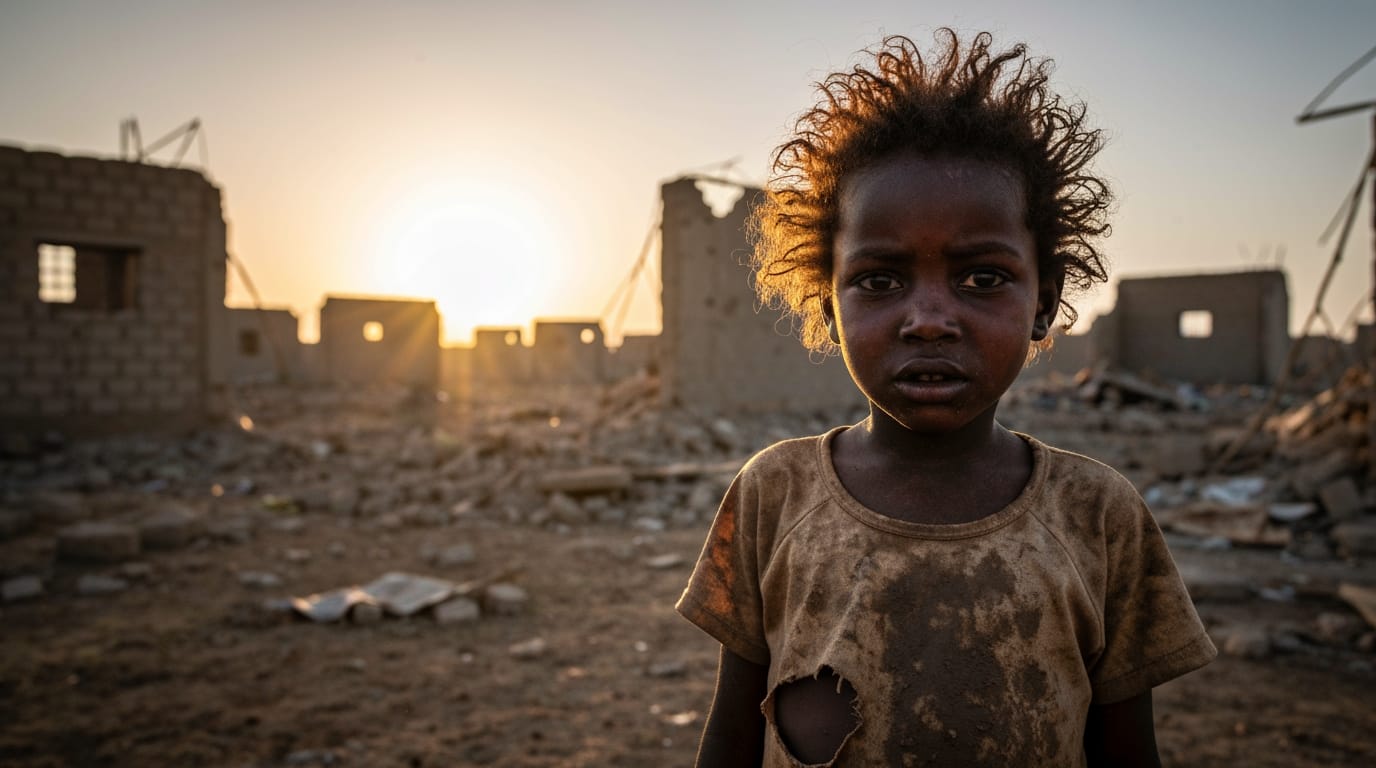
KHARTOUM, Sudan – Three years of relentless conflict in Sudan have escalated into the world's largest humanitarian and displacement crisis, leaving millions on the brink of famine and shattering the lives of an entire generation of children. What began as a power struggle has devolved into a catastrophic humanitarian emergency, with widespread hunger, rampant disease, and a decimated healthcare system pushing the nation deeper into an abyss of despair. The conflict, which erupted in April 2023, has systematically dismantled essential services, forcing communities into a desperate struggle for survival and displacing nearly 14 million people from their homes.
The Escalating Catastrophe: A Nation Displaced and Devastated
The war, marked by intense fighting between the Sudanese Armed Forces (SAF) and the Rapid Support Forces (RSF), has plunged Sudan into an unprecedented humanitarian crisis. The sheer scale of displacement is staggering, with 9.5 million people internally displaced, and children accounting for three out of every five of those uprooted. Many families have been forced to flee multiple times, seeking safety only to be driven away again by ongoing violence. This constant movement, coupled with the destruction of infrastructure and livelihoods, has crippled the nation's capacity to protect and sustain its own people. Beyond the direct casualties of war, the conflict inflicts profound and far-reaching harm, contributing to severe health consequences and societal breakdown.
Children on the Brink: A Generation's Future Erased
The toll on Sudan's children is particularly dire. An estimated 17.3 million children are in urgent need of humanitarian assistance, their childhoods disrupted, and fundamental rights denied. Access to basics like safe water, healthcare, and education is increasingly out of reach, replaced by a daily struggle against hunger, preventable diseases, and violence. The numbers paint a grim picture of escalating malnutrition; in 2026 alone, an estimated 4.2 million children are expected to suffer from acute malnutrition, including more than 825,000 with severe acute malnutrition – a 13.5% increase from the previous year. These figures underscore a worsening trend, especially in areas like Darfur and Kordofan, where communities are cut off from lifesaving nutrition and supplies. Organizations like UNICEF have been working to screen and treat severely malnourished children, but the immense scale of need continues to outpace intervention efforts. The conflict has also disrupted vaccination programs and collapsed disease surveillance systems, leading to outbreaks of measles, cholera, and hepatitis E, which disproportionately affect vulnerable children.
A Nation Starving: Famine Looms and Spreads
Sudan is now grappling with one of the world's most severe hunger crises, with 21.2 million people facing acute food insecurity. Famine has been officially confirmed in parts of Darfur and Kordofan, and catastrophic food insecurity threatens an additional 20 areas across the country. Globally, there are currently only three declared famines, two of which are tragically located within Sudan. More than 33 million people, over half the country's population, depend on humanitarian aid to survive. The conflict has directly led to this dire situation by destroying markets, disrupting harvests, and blocking trade routes and the delivery of critical humanitarian aid. Even basic acts of survival, such as parents skipping meals so their children can eat, have become common. The World Food Programme (WFP) has highlighted that two years into famine in parts of the country is unacceptable and continues to deliver emergency food and nutrition support to millions, particularly in the hardest-hit regions. However, humanitarian operations face immense challenges, including active conflict zones, shifting frontlines, bureaucratic hurdles, and instances of aid workers being targeted.
Decimated Healthcare and Crippled Services
The war has had a devastating impact on Sudan's healthcare system, leaving 21 million people without essential health services out of 34 million requiring aid. The World Health Organization (WHO) has verified 217 attacks on healthcare facilities since April 2023, resulting in thousands of deaths and injuries and further crippling an already weakened system. Hospitals have been rendered non-functional, and critical referral centers attacked, leaving vast populations without medical care. The breakdown of services means preventable diseases are spreading unchecked, and malnutrition is rising, exacerbating the risk of death from otherwise treatable illnesses. Despite efforts by organizations like WHO to deliver medicines and supplies and support health services, the scale of the health crisis continues to deepen in areas where fighting persists. The long-term consequences of this systemic collapse will undoubtedly be profound, impacting generations to come.
A Call for Urgent Action Amidst Global Instability
The ongoing conflict and its humanitarian fallout in Sudan represent a profound failure of international protection and assistance. The crisis does not exist in isolation; it is further compounded by wider global instability, including disruptions to trade and shipping routes, which drive up the cost of essential goods like food, fuel, and fertilizer. These increased costs directly impact the affordability and availability of staples, pushing even more people into hunger. Despite the immense challenges, humanitarian organizations continue their efforts, but they require unimpeded access, greater international funding, and sustained pressure on all parties to the conflict to protect civilians and allow aid to flow freely. Without a concerted and intensified global response, the suffering in Sudan, particularly among its most vulnerable population – children – is set to worsen, leaving an indelible scar on the nation's future. The urgent need for peace remains the most crucial medicine for a country reeling from three years of brutal warfare.


