Afghan Health Crisis Deepens as Taliban Ban on Pakistani Medicine Looms
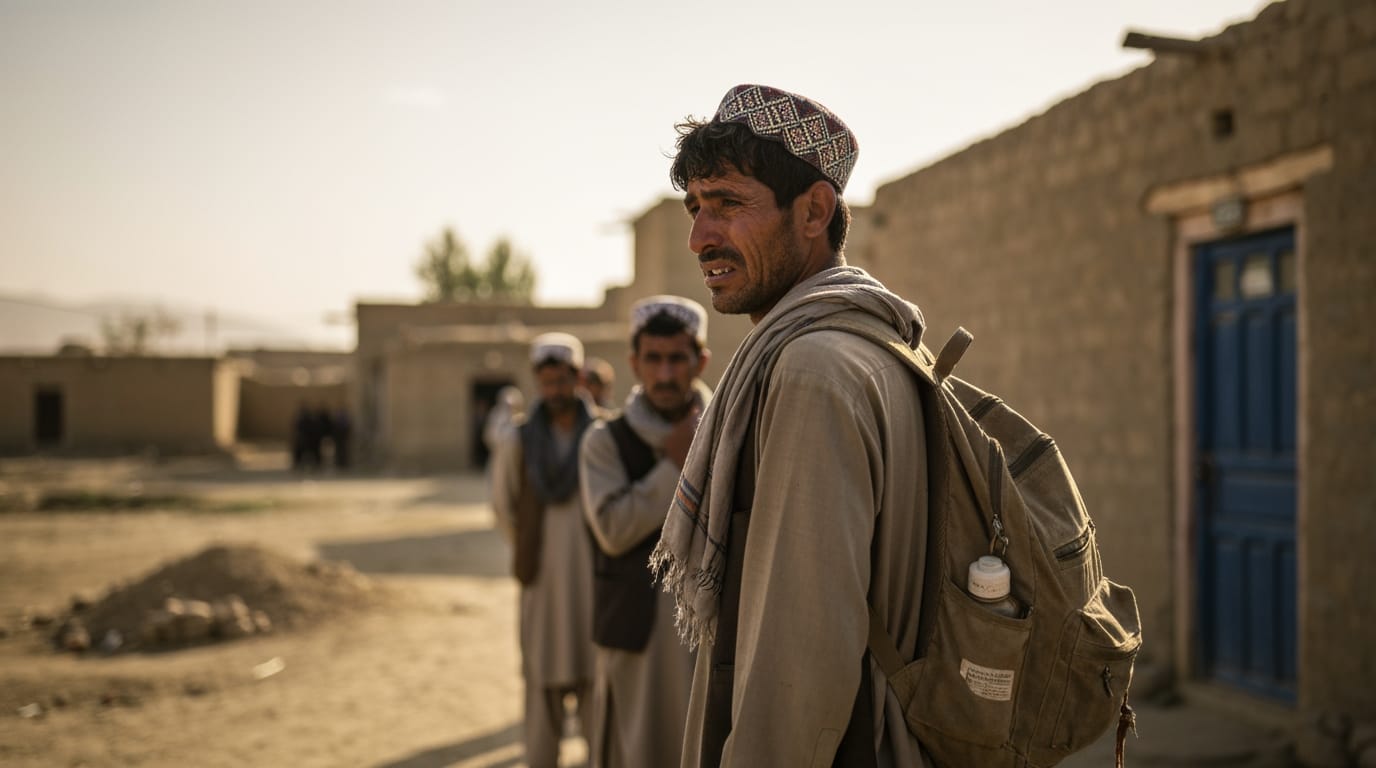
KABUL – Afghanistan faces a looming public health crisis as the Taliban government's ban on the import of pharmaceutical products from neighboring Pakistan is set to take full effect by mid-February 2026. The decision, announced in November 2025 by Mullah Abdul Ghani Baradar, Deputy Prime Minister for Economic Affairs, stems from escalating border tensions and claims of "poor quality" Pakistani medicines, threatening to cut off a vital supply chain for a nation already grappling with a fragile healthcare system and widespread humanitarian needs. The move has prompted urgent calls for Afghan traders to secure alternative sources, while analysts warn of severe medicine shortages and skyrocketing prices.
The Policy Shift: Rationale and Implementation
The directive from the Taliban administration mandates a complete cessation of pharmaceutical imports from Pakistan. Mullah Baradar explicitly stated that after a three-month grace period, which concludes in mid-February 2026, no Pakistani medicines will be processed through Afghan customs, effectively blocking their entry into the country. The decision was publicly justified by Baradar, who cited the "poor quality of Pakistani medicines" as a significant challenge to Afghanistan's healthcare system. He urged Afghan traders to terminate existing contracts with Pakistani suppliers and explore new trade avenues.
Beyond quality concerns, the ban is intrinsically linked to heightened political and security tensions between Kabul and Islamabad. Repeated border closures, including vital crossings like Torkham and Spin Boldak, have severely disrupted trade and transit between the two nations. Afghan officials have reportedly conditioned the resumption of stable trade relations on receiving written assurances from Islamabad that border routes would not be arbitrarily closed again due to political or security disputes. This broader geopolitical friction, fueled by mutual accusations regarding militant activities, provides the backdrop for a policy that prioritizes economic self-reliance over immediate supply chain stability.
A Healthcare System on the Brink
Afghanistan's healthcare infrastructure, already severely weakened by decades of conflict, reduced international aid, and the Taliban's restrictive policies, is highly dependent on foreign imports for essential medications. Historically, Pakistan has been Afghanistan's largest supplier of pharmaceuticals, accounting for over 40% of the country's medicine imports, with total annual imports reaching approximately $1 billion prior to the Taliban's return in 2021.
The impending ban introduces a critical vulnerability into this already precarious system. Economic analysts have voiced concerns that the cessation of Pakistani pharmaceutical imports will inevitably lead to widespread shortages and significant price increases for vital medicines, impacting ordinary Afghans, particularly the most vulnerable. Reports indicate that hundreds of trucks laden with essential drugs, including antibiotics, insulin, and heart medications, are currently stranded at border crossings, highlighting the immediate disruption caused by the escalating tensions preceding the full ban.
Furthermore, the humanitarian situation in Afghanistan remains dire, with over 23 million people – more than half the population – in urgent need of assistance. The healthcare system has been particularly hit by a sharp reduction in foreign development aid since August 2021, leading to the closure of numerous health facilities and a scarcity of medical personnel. Adding to these challenges, the Taliban's restrictions on women's education and employment have created a critical shortage of female healthcare workers, compounding difficulties for women seeking medical care due to strict gender segregation policies.
The Quest for Alternative Supply Routes and Domestic Production
In response to the ban, the Taliban administration has urged Afghan traders to actively seek alternative sources for pharmaceutical imports. Countries like India, Iran, Turkey, Bangladesh, China, and the United Arab Emirates have been identified as potential new partners. The administration has already taken steps in this direction, with a notable US$100 million pharmaceutical supply contract reportedly signed between Afghan and Indian companies.
Concurrently, the Afghan Ministry of Public Health has been tasked with developing a plan to bolster domestic pharmaceutical production. While there are currently 63 operational pharmaceutical facilities in Afghanistan, producing 356 types of medications, these efforts meet only a small fraction of the nation's overall needs. Historically, domestic production has constituted merely about 5% of the pharmaceutical market, with all raw materials still needing to be imported. Despite these long-term aspirations, Noor Jalal Jalali, the Taliban's Minister of Public Health, maintained in late November 2025 that Afghanistan was not experiencing medicine shortages and was on track to replace Pakistani supplies.
A Nation's Health at a Critical Juncture
The full implementation of the ban on Pakistani drug imports marks a critical juncture for Afghanistan. While the Taliban government frames the decision as a strategic move towards self-reliance and improved quality control, the immediate humanitarian implications are significant. The existing healthcare crisis, exacerbated by economic instability and restrictive social policies, means that disruptions to the medicine supply chain could have devastating consequences for millions of Afghans.
The international community, already stretched in its efforts to provide aid to Afghanistan, watches as the nation navigates complex geopolitical and economic challenges. The aspiration for domestic pharmaceutical independence is a long-term goal, but the transition period presents immediate and severe risks. As the mid-February deadline approaches, the efficacy of alternative supply routes and the resilience of Afghanistan's public health system will be put to a rigorous test, with the health and well-being of its citizens hanging in the balance.