Afghanistan's Minorities Endure Pervasive Fear Amidst Escalating Persecution
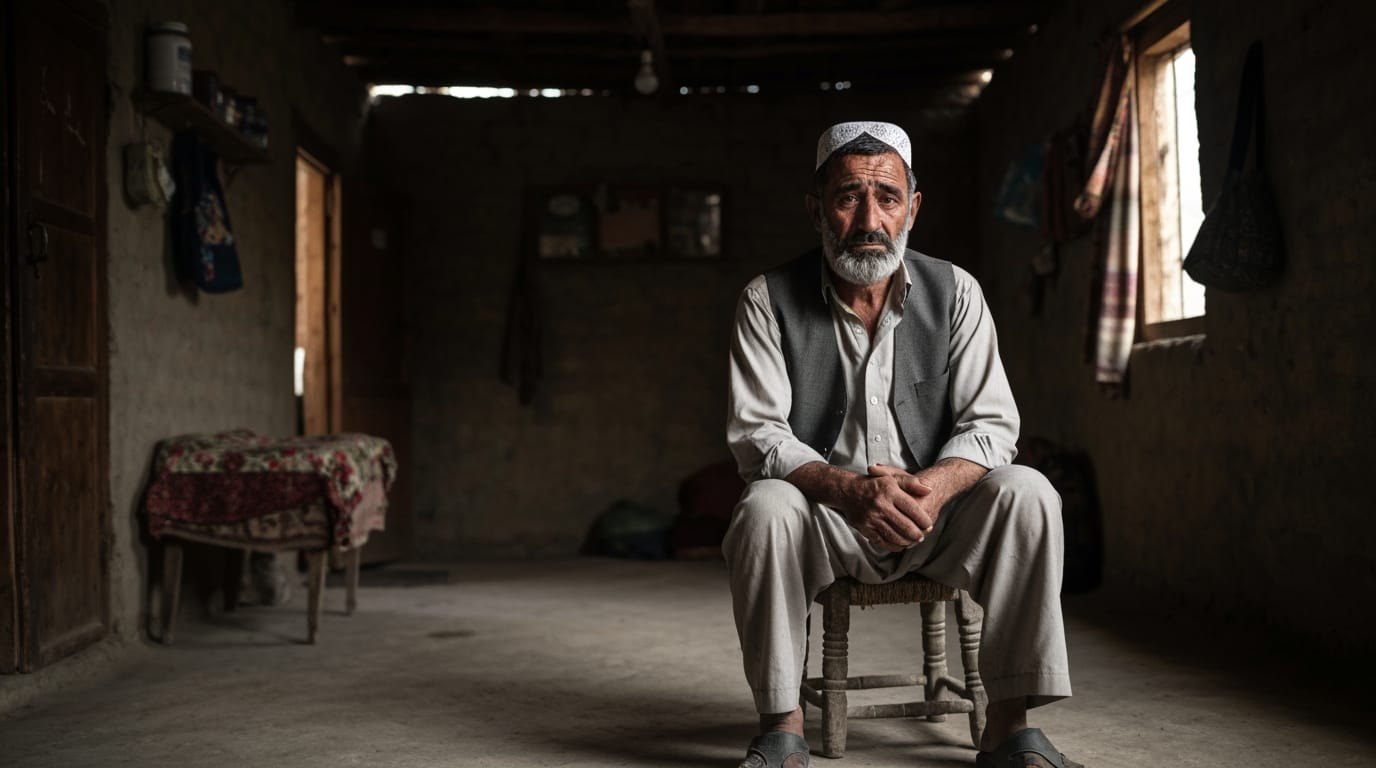
KABUL, Afghanistan – Religious and ethnic minorities across Afghanistan are grappling with an intensified climate of fear, systematic discrimination, and targeted violence, nearly three years after the Taliban's resurgence to power. Shiite Muslims, particularly the Hazara community, alongside Sikhs, Hindus, Christians, and other non-Muslim groups, face a perilous existence marked by historical grievances compounded by current threats from both the de facto Taliban authorities and the extremist Islamic State – Khorasan Province (ISKP). The precarious situation has led to dwindling populations for many groups and a widespread sense of insecurity, severely eroding their fundamental human rights and forcing many to flee their ancestral homeland.
The Hazara Community: A Legacy of Persecution Intensified
The Shiite Hazara community, Afghanistan's third-largest ethnic group and largest religious minority, has historically endured centuries of persecution rooted in their distinct ethnicity and predominantly Shiite faith in a largely Sunni nation. This long-standing oppression has included massacres, enslavement, and forced displacement, with more than half of the Hazara population reportedly massacred in the 19th century. The current period under Taliban rule has seen an escalation of these challenges, despite initial pledges from the authorities to ensure their protection.
Hazaras continue to suffer widespread ethnic discrimination, religious persecution, and organized attacks. Since August 2021, when the Taliban returned to power, there have been at least 61 documented attacks targeting Hazaras, resulting in hundreds killed and wounded. While 12 of these attacks were attributed to Taliban forces, a significant 16 were claimed by ISKP, with others remaining unclaimed. These assaults frequently target places of worship, schools, workplaces, and public gatherings, demonstrating a deliberate strategy to inflict terror and disrupt daily life. In one horrific incident, 54 women, predominantly Hazara, were killed in a bombing at the Kaaj Education Center in September 2022. The ISKP, which views Shiite Muslims as apostates, has been a particularly brutal perpetrator, carrying out numerous suicide bombings and armed attacks that have killed and injured thousands of Hazaras since 2021.
Beyond direct violence, Hazaras face systemic marginalization. They are largely excluded from the Taliban's government, endure deliberate economic restrictions designed to weaken their regions, and are subjected to arbitrary taxes inconsistent with Shiite jurisprudence. Reports indicate thousands of Hazaras have been forcibly displaced from their ancestral lands, with their homes and properties often redistributed to Taliban supporters or Pashtun nomads. In some cases, Hazara government employees have been dismissed, and their presence in the Taliban's "caretaker government" is severely limited. There have also been instances of forced conversions, with reports of Ismaila (Shiite) community members coerced into converting to Sunni Islam under threats of violence.
Non-Muslim Communities: A Vanishing Presence
The plight of Afghanistan's non-Muslim minorities, particularly Sikhs and Hindus, paints a stark picture of a communities on the brink of extinction. Once numbering around 700,000 in the 1970s, their combined population had dwindled to approximately 150 by the end of 2021, with only an estimated six remaining in 2023. This precipitous decline is a direct consequence of decades of discrimination, harassment, and targeted violence.
Historically, Sikhs and Hindus have faced immense pressure, including being forced to identify themselves with yellow tags and paying the jizya, a tax levied on non-Muslims, during the first Taliban regime. Their religious practices, such as cremation, have been restricted or vandalized. Over the years, they have been victims of crime, land-grabbing, societal discrimination, and explicit attacks by extremist groups like ISKP. A 2018 suicide bombing in Jalalabad killed 19 people, mostly Sikhs, and a 2020 attack on a Sikh temple in Kabul killed 25 worshippers, highlighting the extreme dangers they face. The inability to protect their religious sites, which often served as community hubs and living quarters, has further compounded their insecurity. The fear of persecution has driven most to seek resettlement abroad, with many unable to reclaim illegally seized properties or feeling unsafe to leave their homes due to verbal and physical abuse.
Other non-Muslim religious minorities, including Christians, Baha'is, Zoroastrians, and Ahmadis, largely practice their faiths in secrecy or have gone into hiding. Conversion from Islam is considered apostasy by the Taliban, a crime they believe is punishable by death, leaving these groups in constant fear of exposure and brutal retribution. Agnostics and atheists also face severe threats under this strict interpretation of Islamic law.
Taliban's Rule: Systemic Oppression and Broken Promises
The Taliban's ultraconservative Sunni interpretation of Islam forms the basis of the systemic discrimination faced by all minorities. While the Taliban initially made gestures to assuage fears, such as visiting Shiite mosques and deploying forces for religious ceremonies, these promises have largely been unfulfilled. The 2004 Afghan constitution, which afforded some protections to minorities, has been suspended, leaving these communities without legal recourse or recognized rights.
Under Taliban rule, minorities are marginalized in public service delivery, denied access to civil service positions, and face restrictions on university admissions. There are reports of the Taliban imposing restrictions on Shiite Hazaras conducting religious rituals, particularly during Muharram, and even forcing Shiite people to break fast and pray according to Sunni timings. The Taliban has also restricted the teaching of Shiite jurisprudence in universities and reportedly banned marriages between Shiites and Sunnis in some provinces.
Crucially, the Taliban has been criticized for its failure to protect religious minorities from the relentless attacks carried out by ISKP. Despite claiming responsibility for the security of all citizens, little has been done to increase protection in provinces where attacks have killed hundreds. This inaction, coupled with the Taliban's own acts of persecution, creates a dual threat for minority groups, trapping them between the violence of ISKP and the oppressive policies of the de facto government.
Exodus and the Erosion of Afghan Society
The pervasive fear, systematic discrimination, and relentless violence have had a devastating impact, driving an accelerating exodus of minority populations from Afghanistan. The drastic reduction in the numbers of Sikhs and Hindus is a stark indicator of this trend, with most seeking refuge and resettlement in other countries. For the Hazara, forced displacement from their homes and lands by the Taliban has been a common occurrence, with estimates of 25,000 primarily Hazara people displaced in one period alone.
This outflow and internal displacement profoundly reshape Afghanistan's social and cultural landscape. The departure of these communities represents the loss of centuries-old heritage, diverse traditions, and integral threads in the nation's complex social fabric. The environment of constant threat forces those who remain to live in secrecy, avoid public life, and forgo fundamental rights like education and open worship, fundamentally altering their way of life.
The ongoing crisis for Afghanistan's minorities underscores a deepening humanitarian and human rights catastrophe. As long as systemic discrimination and targeted violence persist, the aspirations for an inclusive and peaceful Afghanistan remain distant, with profound and potentially irreversible consequences for the country's diverse population. The international community continues to document these abuses and calls for protection, yet the daily reality for Shiite and other minorities in Afghanistan remains one of profound fear and uncertainty.


