Germany Embarks on "Historic" Healthcare Overhaul Amid Fiscal Pressures
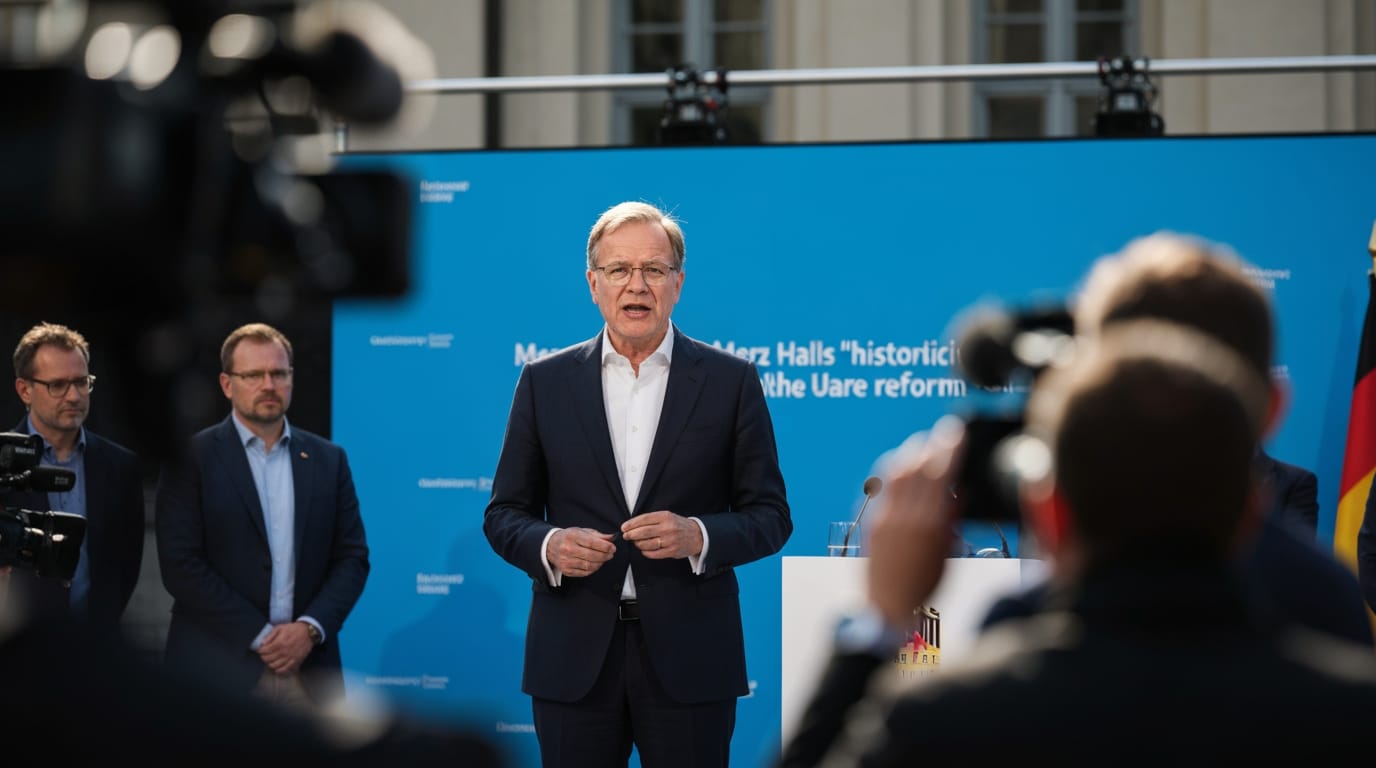
Berlin, Germany – Germany's federal cabinet has officially approved a sweeping package of healthcare reforms, a move Chancellor Friedrich Merz has lauded as "one of the most significant social welfare reforms of recent decades." The decision, reached on April 29, 2026, underscores a determined effort by the current administration to stabilize a statutory health insurance system grappling with mounting deficits and escalating costs. The reforms aim to fundamentally restructure key aspects of the nation's robust, yet financially strained, healthcare infrastructure, signaling a pivotal moment for millions of citizens and providers across the country.
Germany's Healthcare at a Critical Juncture
The impetus for the current reform package stems from a stark financial reality. Germany's statutory health insurance system faces a projected shortfall of €15.3 billion in 2027, a figure that experts warn could more than double to approximately €40 billion by the end of the decade if no decisive action is taken. This unsustainable trajectory, driven by rising healthcare expenditures that outpace revenue growth, has necessitated a comprehensive approach to cost containment. For decades, German healthcare has undergone various reforms, primarily to curb costs, but the current situation demands a more profound transformation. The measures passed by the cabinet represent a concerted effort to stabilize contribution rates for insured individuals, a crucial factor in managing non-wage labor costs and bolstering the nation's economic competitiveness. Chancellor Merz's emphasis on the "historic" nature of these changes highlights the ambition and perceived necessity of the current overhaul, positioning it as a foundational step for future fiscal stability and quality of care.
Reimagining the Hospital Landscape
A central pillar of the newly approved reforms is a comprehensive restructuring of Germany's hospital sector. The legislation, slated for gradual implementation from January 2025 to 2029, seeks to address inefficiencies and optimize service delivery. One of the most significant changes involves a shift in hospital funding models. Traditionally, hospitals were primarily reimbursed per treatment, a system often criticized for incentivizing unnecessary procedures and inpatient stays. Under the new framework, hospitals will transition to a system where a substantial portion of their income is guaranteed for maintaining essential services, irrespective of case numbers. This strategic shift aims to reduce superfluous treatments, encourage more efficient patient referrals, and ultimately lower overall health costs.
Furthermore, the reform introduces a granular categorization system, classifying hospitals into 65 distinct service groups, each with specific quality criteria and requirements. This move is designed to foster greater specialization, enhance quality control, and ensure that medical facilities are equipped to provide the highest standard of care within their designated areas. The government has earmarked a substantial Transformation Fund of up to €50 billion to support this extensive restructuring, facilitating infrastructure investments and digital advancements across the hospital landscape. While the reform promotes a shift toward outpatient care, recognizing Germany's high number of hospital beds per capita compared to the European Union average, concerns remain regarding accessibility, particularly in rural areas, and potential long wait times for specialist appointments.
Navigating the Financial Impact on Citizens
The comprehensive reform package carries direct financial implications for millions of insured individuals and households across Germany. To generate the necessary savings and address the system's deficits, several adjustments are being introduced. One notable change involves an increase in co-payments for prescription medicines. The minimum co-payment is set to rise to €7.50 per prescription, with a maximum of €15, an increase from the previous range of €5 to €10. While the annual cap on payments for insured individuals remains at two percent of gross income (one percent for the chronically ill), this adjustment could lead to higher out-of-pocket expenses for many.
Perhaps one of the most controversial elements of the reform is the proposed abolition of free co-insurance for spouses without young children. This measure could affect approximately three million adults, requiring them to pay a minimum contribution estimated at around €225 per month for health and long-term care insurance. While exceptions are planned for couples with young children or dependent relatives, this change represents a significant financial burden for affected households. Additionally, a general increase in health insurance contributions is anticipated for 2025. The reforms also include a reduction in overall federal subsidies for statutory health insurance, from €14.5 billion to €12.5 billion annually, and propose new revenue streams through higher taxes on tobacco, alcohol, and sugary drinks. These measures collectively aim to curb the rising costs and stabilize the system, though they are expected to necessitate greater financial contributions from citizens.
Political Landscape and Critical Assessment
Chancellor Merz's characterization of the reforms as "historic" also serves a political purpose, aiming to demonstrate the effectiveness of his coalition government amidst a period of internal disputes and declining public approval. With his party, the CDU/CSU, polling behind the Alternative for Germany (AfD), delivering tangible results on a crucial issue like healthcare is seen as vital to regain public trust and political momentum. Merz has consistently pushed for faster action on these reforms, acknowledging the urgency imposed by mounting deficits in Germany's social insurance systems.
However, the ambitious reform package has not been without its critics. While the necessity of addressing the financial crisis in healthcare is widely acknowledged, some experts and political commentators have described the proposed changes as a "patchwork" rather than a fully coherent and integrated strategy. Concerns have been raised regarding the overall effectiveness of the savings measures, with some suggesting that the targeted €20 billion relief might be significantly missed. Furthermore, specific proposals, such as Merz's earlier suggestion to incentivize the use of electronic patient records with premium reductions, have drawn criticism from data protection advocates, who warn of potential discrimination and the financial strain such measures could place on the health insurance system. These debates highlight the complex balance between fiscal responsibility, equitable access to care, and individual rights that policymakers must navigate.
An Unfolding Chapter for German Healthcare
The German government's approval of these extensive healthcare reforms marks the beginning of a challenging yet crucial chapter for the nation's social welfare system. The blend of structural changes to hospital funding, the push for specialization, and the adjustments to patient contributions reflects a multi-faceted strategy to confront the escalating costs threatening the system's long-term viability. While Chancellor Merz champions these reforms as a historic achievement, their true impact will unfold over the coming years as implementation progresses and the effects on both providers and patients become tangible. The success of this ambitious overhaul will hinge not only on its financial efficacy but also on its ability to maintain public confidence and ensure that Germany's commitment to high-quality, accessible healthcare remains steadfast amidst evolving economic pressures. The reforms represent a significant step, but the path to a sustainable and resilient healthcare future will undoubtedly require ongoing vigilance and adaptation.


