Ghana Prioritizes Data Sovereignty, Rejects $109 Million US Health Aid Deal
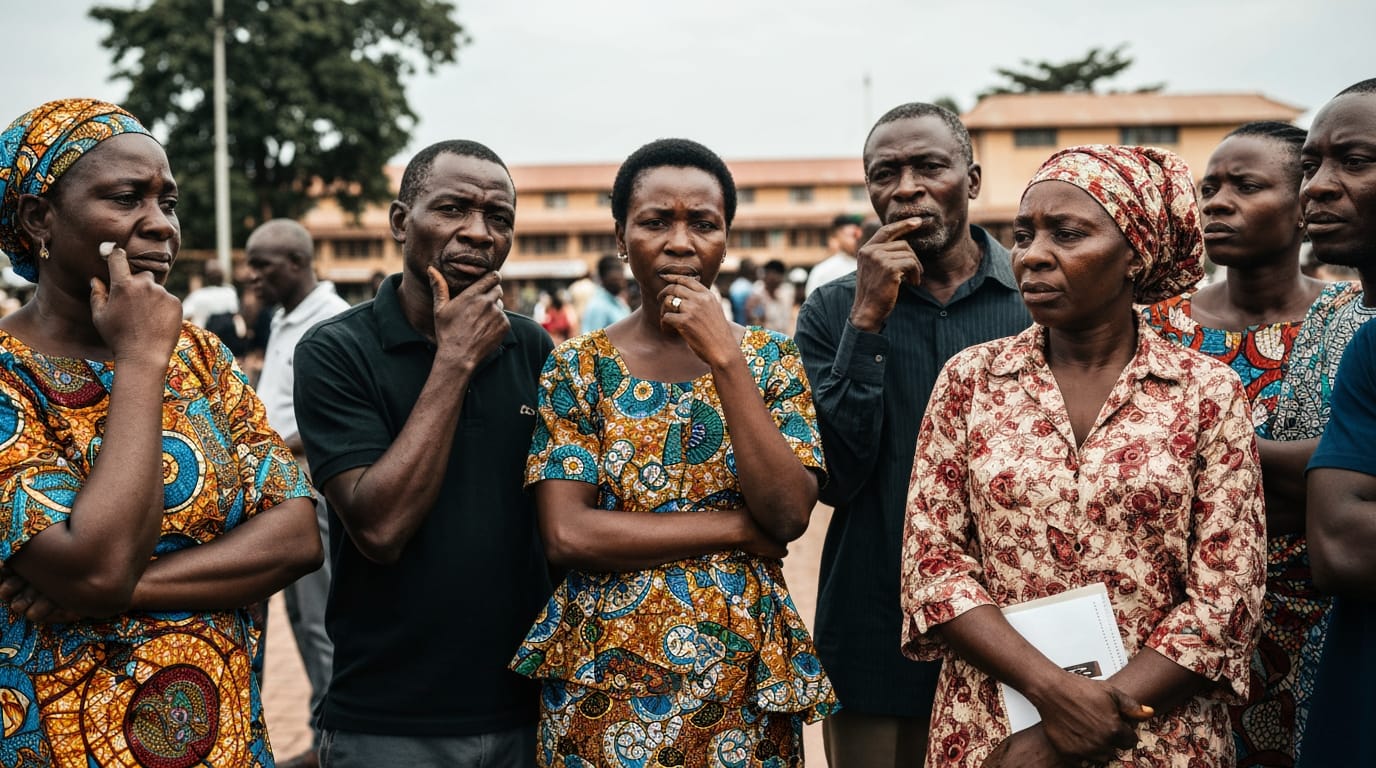
Accra, Ghana – In a significant move underscoring growing concerns over digital sovereignty, Ghana has walked away from a proposed $109 million bilateral health agreement with the United States. The decision, which came after intense negotiations reportedly broke down over American demands for access to Ghana's sensitive national health data, highlights a deepening global debate about data control and the conditions attached to foreign aid. Ghana's leadership has opted to protect the privacy of its citizens' health records, viewing the data as a vital aspect of national sovereignty, even in the face of considerable financial implications for its public health programs.
A Standoff Over Sensitive Information
The proposed five-year agreement, valued at $109 million, was intended to bolster Ghana's fight against prevalent diseases such as HIV/AIDS, malaria, tuberculosis, and polio. However, negotiations reached an impasse when the United States insisted on access to Ghana's national health data. Ghanaian officials deemed this requirement "unacceptable" and "too valuable, too intimate, and too dangerous to hand over," according to sources familiar with the discussions. This critical clause, perceived as an infringement on Ghana's digital sovereignty, ultimately led to the collapse of the deal.
The agreement was part of the Trump administration's "America First Global Health Strategy," a framework designed to reshape foreign aid by encouraging recipient countries to assume greater responsibility for disease control programs. This strategy notably followed the dismantling of the U.S. Agency for International Development (USAID) earlier this year. While the U.S. State Department has not publicly disclosed details of the negotiations, a spokesperson affirmed a continued desire to strengthen bilateral partnerships between the two nations.
The Broader Implications of Data Demands
Ghanaian authorities articulated that national health data transcends mere statistics; it represents a "living record" and a "nation's biological autobiography" that includes intimate details like HIV statuses, tuberculosis diagnoses, maternal health histories, and genetic profiles. Granting a foreign entity broad access to such information, especially for a period of 25 years while the aid itself was for only five, raised significant concerns about the potential for misuse, discrimination, and a compromise of citizens' fundamental human rights. Experts argue that once sensitive data is transferred to foreign servers under foreign jurisdiction, the protective mechanisms of national laws, such as Ghana's Data Protection Act, 2012, become effectively nullified, leaving citizens without recourse for potential abuses.
Beyond data access, sources indicated additional contentious provisions in the unilaterally drafted U.S. proposal. These included clauses that would have allowed drugs approved by the U.S. Food and Drug Administration to enter the Ghanaian market without undergoing Ghana's standard approval processes. This was seen as a direct threat to the regulatory autonomy of the Ghana Food and Drugs Authority and a potential risk to patient safety standards within the country. The combination of these demands fueled Ghanaian concerns about maintaining control over its public health infrastructure and policies.
A Growing African Consensus
Ghana's decision is not an isolated incident but rather indicative of a burgeoning trend across the African continent. Several other nations have similarly pushed back against or outright rejected U.S. health aid deals under the "America First Global Health Strategy" due to analogous concerns over data sharing and national sovereignty. Zimbabwe, for instance, rejected a $350 million U.S. health funding agreement, citing unacceptable sovereignty concerns, particularly regarding long-term access to national health data. Zambia also followed suit, objecting to data-sharing clauses and raising concerns about potential compromises to its long-term fiscal independence. In Kenya, a comparable agreement was suspended by a high court following a legal challenge that cited violations of the country's Data Protection Act and a bypass of parliamentary oversight.
These collective actions signal a shift in how African nations are engaging with international aid, increasingly prioritizing the protection of their citizens' data and upholding national autonomy. The director of the Africa Centres for Disease Control and Prevention (Africa CDC) has explicitly stated, "We want to own our data in Africa. We want to own our future," encapsulating this continent-wide sentiment.
Navigating the Economic Aftermath
The rejection of $109 million in health aid presents a substantial challenge for Ghana, a nation already grappling with economic pressures including a struggling cedi, persistent inflation, and adherence to International Monetary Fund (IMF) programs. In 2024 alone, the United States had disbursed approximately $96 million specifically for health programs in Ghana, forming a significant portion of its overall aid package of $219 million. The absence of the proposed $109 million will undoubtedly create funding gaps and exert additional pressure on Ghana's already strained health budget. Programs targeting HIV, malaria prevention, and tuberculosis treatment, which rely heavily on external support, are likely to feel the immediate impact.
Ghana now faces the complex task of identifying alternative funding sources to address these gaps. Potential avenues include increasing internal government spending, which could necessitate budget reallocations or further borrowing, or exploring private sector involvement, which might lead to higher costs for healthcare services for the average Ghanaian. The long-term implications could manifest in longer hospital waiting times, limited medical supplies, and slower advancements in healthcare delivery.
Conclusion: A Precedent for Data Sovereignty
Ghana's decision to forgo significant health aid in favor of protecting its national health data establishes a powerful precedent. This move underscores a fundamental principle: that the intimate health information of a nation's citizens is a sovereign resource that must be safeguarded. While the immediate financial costs are considerable, the long-term benefit, according to Ghanaian officials, lies in securing digital sovereignty and protecting the fundamental human rights of its populace. This assertive stance, shared by a growing number of African nations, signals a recalibration of international aid relationships, demanding terms that respect national autonomy and uphold data privacy in an increasingly interconnected and data-driven world.


