Afghanistan's Silent Crisis: Femicide Surges Under Taliban Rule, Hidden from Global View
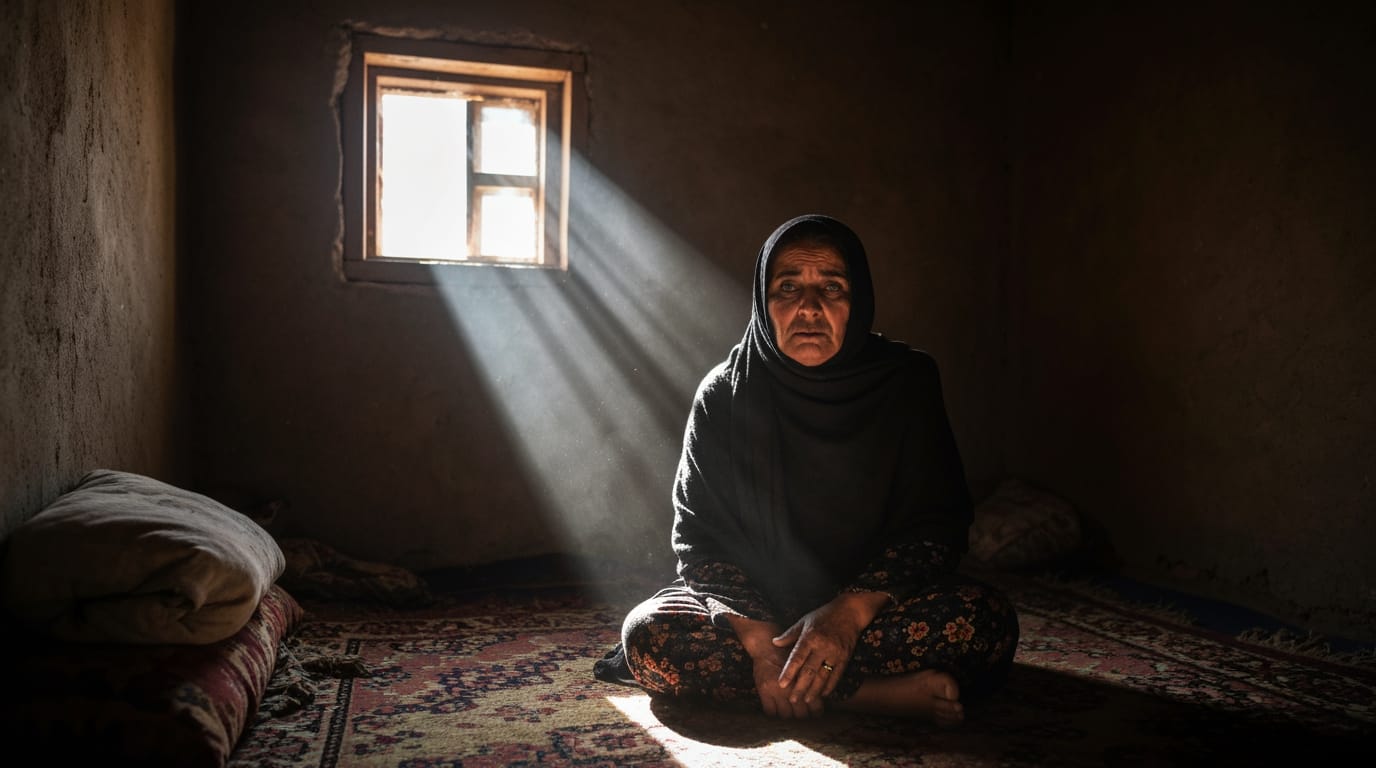
A deeply disturbing and increasingly hidden crisis of femicide is engulfing Afghanistan, escalating dramatically since the Taliban's return to power in August 2021. While hundreds of killings of women have been documented, experts warn these figures represent merely "the tip of the iceberg" of a far more widespread and insidious pattern of gender-based violence, exacerbated by systemic repression, dismantled legal protections, and a pervasive culture of impunity. The systematic erasure of women from public life has created a perilous environment where violence, often fatal, goes largely unreported and unpunished, transforming Afghanistan into what some United Nations experts warn could amount to a state of "gender apartheid."
The Shadow Epidemic: A Crisis Concealed
The true scale of femicide in Afghanistan remains obscured, deliberately hidden by a regime that has curtailed media freedoms and dismantled institutions designed to protect women. Open-source investigators from the Centre of Information Resilience's Afghan Witness project identified 332 reported cases of femicide—the intentional killing of a woman or girl because of her gender—between the Taliban's takeover in August 2021 and June 2024. This tally, however, is considered a vast underestimation due to widespread self-censorship, the shutdown of independent media outlets, and the persecution of journalists. The fear of reprisal is so profound that many incidents simply vanish without a trace, leaving a significant gap between reported cases and the grim reality on the ground.
Beyond killings, a broader analysis by Afghan Witness recorded 840 women and girls subjected to gender-based violence from January 2022 to June 2024, averaging nearly one incident per day. This violence encompasses sexual assault, forced marriage, arbitrary arrest, torture, and enforced disappearances. Critically, more than half of these reported cases of gender-based violence involved Taliban officials as perpetrators, highlighting a disturbing institutional complicity in the oppression and abuse of women.
Systemic Repression and Escalating Violence
The Taliban's swift and sweeping edicts have systematically dismantled two decades of progress for women's rights, effectively erasing women from public life and creating conditions ripe for heightened violence. Women and girls are barred from secondary school and university, forbidden from almost all forms of paid employment, and prohibited from public spaces such as parks, gyms, and beauty salons. They are denied freedom of movement, unable to travel significant distances without a male guardian, and are subject to strict dress codes. These policies culminate in a state of extreme misogyny, with UN experts suggesting they could lead to "multiple preventable deaths" and ultimately amount to femicide.
The reintroduction of archaic punishments, including public flogging and stoning for adultery, further underscores the perilous legal landscape for women. Even within their homes, women face heightened vulnerability as traditional legal mechanisms have been replaced by a Taliban judicial system that often re-victimizes female survivors and offers no recourse for justice. This institutionalized oppression means that when violence occurs, women have nowhere to turn, and perpetrators frequently act with impunity.
Cultural Roots and Pervasive Impunity
While the current regime has intensified the crisis, violence against women in Afghanistan is not a new phenomenon. It is deeply rooted in long-standing cultural norms, customs, attitudes, and practices that have historically assigned a subservient status to females. Practices such as child marriage, forced marriage, "honor killings," and the giving away of girls to settle disputes have been pervasive for generations, inflicting suffering, humiliation, and marginalization on millions. These harmful traditions are often reinforced by interpretations of religious leaders and community elders, perpetuating a cycle of abuse that predates but has been significantly exacerbated by the current political climate.
Under the current administration, the pre-existing culture of impunity has been cemented. The absence of an independent judiciary, coupled with the dismantling of support services for victims of gender-based violence, means that accountability for these crimes is virtually non-existent. Cases involving domestic abuse, sexual violence, and even murder often go uninvestigated or are dismissed as "private matters," further empowering perpetrators and silencing victims. This lack of legal protection leaves women entirely exposed to violence from both state actors and family members.
The Devastating Human Toll
The unrelenting oppression and pervasive violence have exacted a devastating toll on the mental and physical health of Afghan women and girls. A UN survey revealed that 76% of respondents rated their mental health since the Taliban takeover as "bad" or "very bad," reporting severe anxiety, depression, insomnia, and loss of appetite. There has been an alarming surge in suicides among women and girls, often linked to domestic violence, forced marriages, and the Taliban's oppressive restrictions, including the denial of education.
The systematic exclusion from education and employment, combined with the constant threat of violence, has led to a profound erosion of women's agency and autonomy. Many are trapped in a cycle of fear and despair, experiencing psychological issues such as isolation, aggression, and suicidal thoughts. This pervasive trauma not only impacts individual well-being but also has long-term societal consequences, stifling development and perpetuating a generation of women deprived of their fundamental human rights.
A Call for Global Recognition and Urgent Action
The growing, hidden femicide risk in Afghanistan represents a grave human rights crisis that demands urgent international attention. United Nations Special Rapporteur Richard Bennett has explicitly warned that the Taliban's policies could amount to femicide and should be investigated as crimes against humanity. While Afghan women continue to demonstrate remarkable resilience, with some staging protests and engaging in online resistance despite increased digital harassment, their efforts are often met with brutal suppression.
The international community faces a critical challenge in addressing this crisis. Meaningful progress requires sustained diplomatic pressure on the Taliban to reverse its discriminatory policies, along with robust support for the protection of vulnerable women and girls. Furthermore, long-term commitment is essential to empower Afghan women in their own efforts to reclaim autonomy and rebuild a more just society, ensuring that the hidden tragedy of femicide in Afghanistan is brought to light and decisively confronted.


