Chinese Human Rights Cases Languish Amid Shifting U.S. Diplomatic Priorities
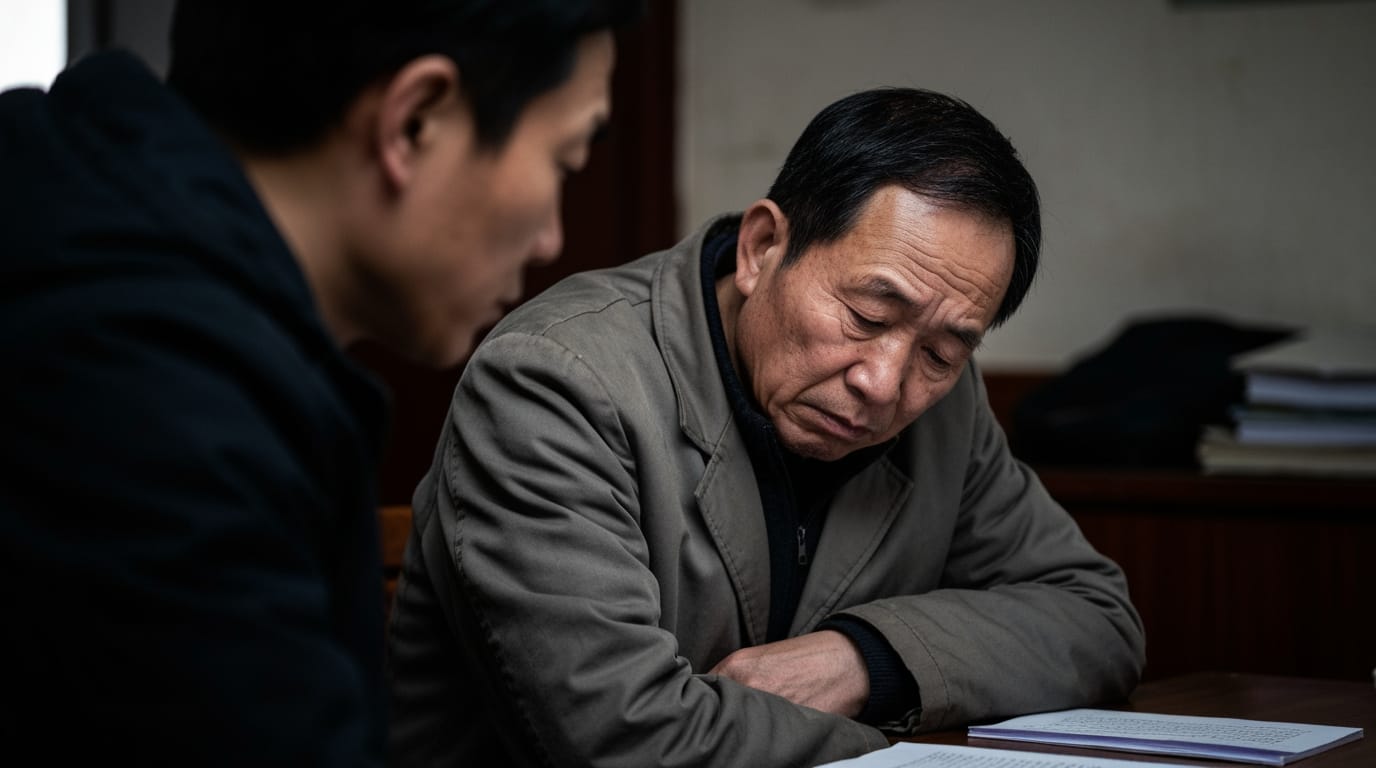
Beijing, China – A recent high-stakes summit between President Donald Trump and Chinese President Xi Jinping in May 2026 has cast a long shadow of uncertainty over the fate of numerous human rights cases in China, signaling a significant shift in U.S. diplomatic engagement on the issue. While both leaders sought to project an image of renewed stability in a complex bilateral relationship, public discussion and official readouts largely sidestepped the contentious topic of human rights, leaving advocates concerned about the implications for political prisoners and a shrinking space for dissent within China.
The encounter, aimed at fostering "constructive strategic stability" and focusing on economic and strategic communication, saw a notable de-emphasis on human rights concerns that have historically been a hallmark of U.S. foreign policy. This diplomatic posture has fueled apprehension among international observers and rights organizations, who fear that a softened stance from Washington could embolden Beijing's ongoing crackdowns on civil liberties, ethnic minorities, and religious freedoms. The perceived sidelining of these critical issues has highlighted the precarious position of Chinese human rights cases, many of which now appear to be in a diplomatic limbo.
The Shifting Sands of Diplomacy: Human Rights De-emphasized
President Trump's visit to Beijing in May 2026, his second to the Chinese capital, was marked by elaborate ceremony and a public discourse that predominantly centered on trade, economic stability, and strategic issues such as AI and regional security. Official statements following the two-day talks notably omitted extensive mention of human rights, a stark departure from the approaches of previous U.S. administrations. This pivot reflects a broader transformation in U.S. foreign policy under Trump, characterized by a more transactional approach to international relations and, at times, an expressed admiration for authoritarian leaders.
Analysts have pointed to this shift as a recognition by the Trump administration that China views human rights, democracy, and political systems as "no-go areas" for external interference. Beijing has consistently asserted that such matters are internal affairs, preferring to prioritize economic ties and stability in its interactions with the U.S. This perspective, coupled with China's increasing confidence on the global stage, has diminished the leverage that the U.S. and other democracies once held in pressing human rights concerns. According to Sophie Richardson, co-executive director of Chinese Human Rights Defenders, "These are very, very difficult times for human rights defenders," noting that "democratic governments have not really kept pace in their interventions with Beijing."
Cases in the Balance: Jimmy Lai and Pastor Ezra Jin
Despite the general downplaying of human rights in public messaging, President Trump confirmed raising specific cases during his closed-door meetings with President Xi. Two prominent individuals, Hong Kong pro-democracy activist and media mogul Jimmy Lai, and detained Pastor Ezra Jin, were reportedly brought up for discussion. These cases represent the broader categories of political prisoners and religious persecution within China.
However, the responses received from President Xi offered little cause for optimism for human rights advocates. Regarding Jimmy Lai, who is facing charges under Hong Kong's National Security Law and has been in detention since late 2020, President Trump stated that Xi's response was "not positive" and described the case as "a tough one." Trump himself later confessed to not feeling optimistic about securing Lai's release. Lai, an influential media entrepreneur and a leader of the 2019 protest movement, was sentenced earlier this year to 20 years in prison for various offenses, including conspiring to collude with foreign forces.
In contrast, President Trump indicated that Xi said he would "strongly consider" the release of Pastor Ezra Jin. Pastor Jin, founder of Beijing's Zion Church, was detained last year alongside other church leaders amidst a significant crackdown on China's house church movement. His daughter, Grace Jin Drexel, expressed hope, calling the development "miraculous" and thanking the administration for elevating her father's case. While this offer provides a glimmer of hope for Jin, the disparity in responses underscores the selective nature of Chinese concessions and the complex calculus Beijing applies to individual cases. The broader implications suggest that cases with high international visibility but without direct, immediate geopolitical impact might receive more consideration than those deemed fundamental to China's internal security or sovereignty.
A Legacy of Legislation, A Present of Concern
The current diplomatic stance stands in contrast to legislative actions taken during the Trump administration's first term, which saw a more aggressive posture on human rights issues in China, particularly concerning the situations in Xinjiang and Hong Kong. In 2019, President Trump signed the Hong Kong Human Rights and Democracy Act into law, which authorized sanctions against Chinese and Hong Kong officials deemed responsible for human rights abuses and mandated an annual review of Hong Kong's special trading status. This was met with strong condemnation from Beijing, which accused the U.S. of "meddling" in its internal affairs.
Similarly, in 2020, Trump signed the Uyghur Human Rights Policy Act, authorizing sanctions against Chinese officials over the mass internment and repression of Muslim ethnic minorities in Xinjiang. The administration also formally labeled China's actions in Xinjiang as genocide, leading to sanctions on officials and entities connected with alleged abuses. These legislative efforts demonstrated bipartisan support within the U.S. Congress for addressing China's human rights record, leading to tangible measures against Chinese officials and entities.
However, human rights organizations continue to highlight the worsening situation within China since Xi Jinping took power in 2012. This period has seen a severe crackdown on civil society, the punishment of feminist activists, the narrowing of space for religious and ethnic expression, and increased efforts to crush dissent. The network of re-education camps in Xinjiang, which has reportedly imprisoned up to 1 million Uyghurs and other Turkic minorities, exemplifies this intensified repression. Despite these grim realities and the U.N.'s assessment that China's policies in Xinjiang could constitute crimes against humanity, Beijing strenuously denies these claims.
Broader Implications for Rights Advocacy
The muted emphasis on human rights during the recent Trump-Xi summit carries significant broader implications for rights advocacy and the international community's ability to pressure China. China has become increasingly assertive, with its propaganda often portraying international criticisms as driven by "hostile foreign forces." This narrative contributes to a public perception within China that dismisses international concerns, further insulating Beijing from external pressure.
The shift in U.S. priorities, particularly at the highest levels of diplomatic engagement, risks signaling to Beijing that human rights are negotiable or secondary to other strategic interests. This could further diminish the already challenging prospects for Chinese dissidents and human rights defenders, who often rely on international attention and pressure for their safety and freedom. Advocacy groups had urged President Trump to demand the release of political prisoners and reject any deal that traded human rights concessions for economic agreements, highlighting the moral imperative of consistent engagement.
As the U.S. and China navigate a complex relationship marked by both cooperation and competition, the trajectory of human rights cases in China remains deeply uncertain. The recent summit suggests a continuation of a pattern where economic and geopolitical considerations often overshadow explicit human rights advocacy in high-level diplomacy. This leaves human rights cases in a precarious balance, reliant on sustained international vigilance, targeted legislative action, and the unwavering commitment of advocates worldwide to prevent them from fading into permanent limbo.


