Africa Forges Its Own Path: A Continent's Assertive Rise Amidst Global Shifts
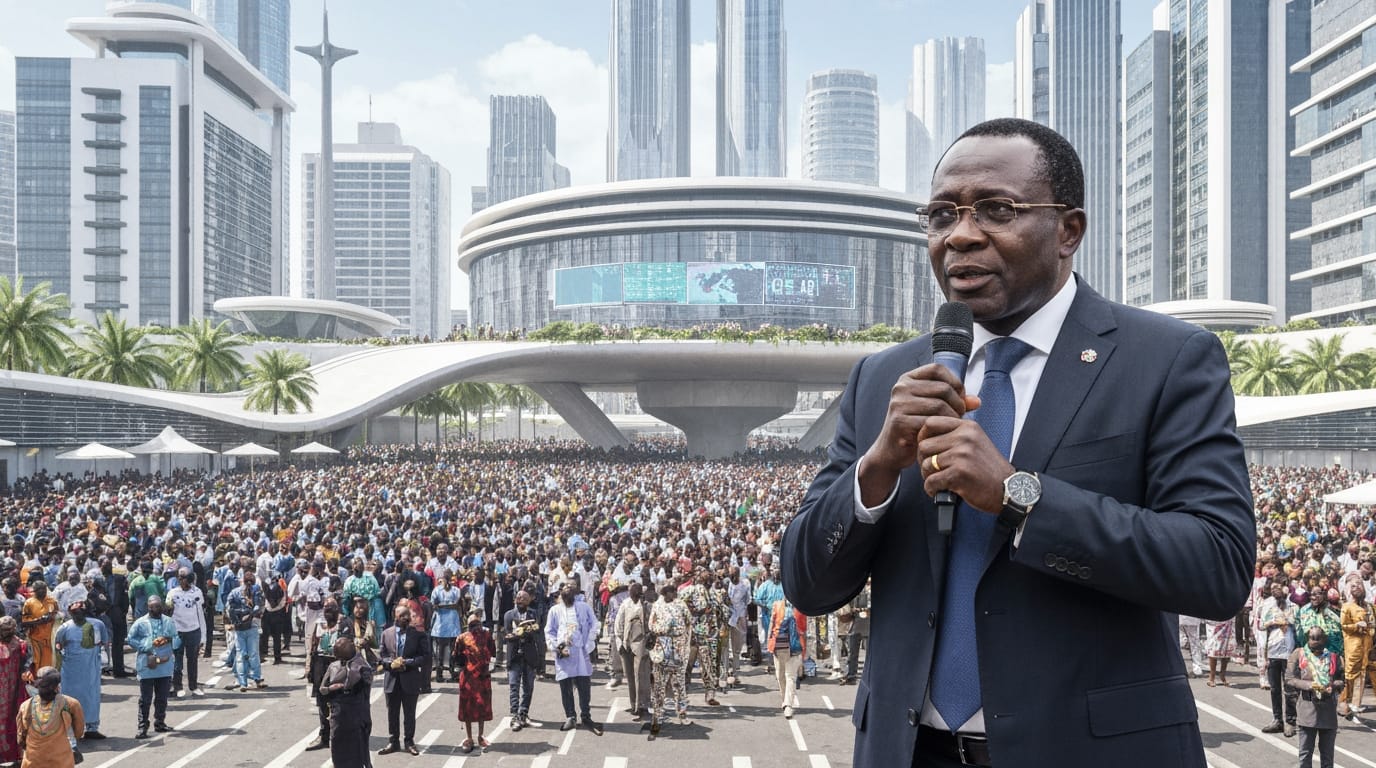
Addis Ababa, Ethiopia - In an era marked by shifting global alliances and the "America First" doctrine of the Trump administration, Africa has demonstrably asserted its growing influence on the world stage, moving beyond traditional roles to become a more autonomous and strategic actor. Despite a U.S. foreign policy that often prioritized transactional relationships and, at times, demonstrated disengagement, African nations and the African Union (AU) have collectively pursued their own agenda of economic integration, diplomatic assertiveness, and diversified partnerships. This period has underscored a fundamental recalibration of global power dynamics, revealing Africa's steadfast determination to shape its destiny rather than merely react to external pressures.
Redefining Engagement: From Aid to Agency
The Trump administration's approach to Africa was characterized by a distinct shift from traditional development and multilateral policies. This included cuts to aid programs, increased travel restrictions, and rhetoric that often drew strong rebuke from African leaders. For instance, the African Union expressed "infuriation, disappointment and outrage" over derogatory remarks made by former President Donald Trump in 2018, demanding a retraction and an apology. Later, when the Trump administration implemented travel bans disproportionately affecting several African nations, the AU called for a "balanced, evidence-based, and reflective of the long-standing partnership between the United States and Africa" approach. These diplomatic challenges served as catalysts, further solidifying Africa's resolve to control its own narrative and foreign policy.
Rather than succumbing to a diminished U.S. focus, African nations actively leveraged these circumstances to reposition themselves. African leaders rejected the notion of being passive recipients of aid, instead seeking equitable partnerships and greater agency in their international relations. Initiatives such as Prosper Africa, while maintained by the Trump administration to facilitate economic engagement, were often overshadowed by the administration's transactional approach. This dynamic, however, inadvertently strengthened Africa's bargaining position, enabling countries to negotiate more favorable terms from both traditional and emerging global powers.
The Rise of Pan-African Economic Power: AfCFTA and Diversified Partnerships
A cornerstone of Africa's self-assertion during this period has been the rapid advancement of the African Continental Free Trade Area (AfCFTA). Envisioned as the world's largest free-trade area by number of participating countries, the AfCFTA aims to boost intra-African trade by up to 45% by 2045 and increase Africa's exports globally by 32% by 2035. This ambitious initiative gained increased strategic importance amidst global trade uncertainties, including those stemming from the Trump administration's trade wars and protectionist policies. The AfCFTA represents a clear statement of Africa's commitment to economic self-reliance and regional integration, creating a unified economic bloc with greater global bargaining power.
Parallel to strengthening internal economic ties, African nations strategically diversified their international partnerships. During Trump's first term, China significantly outpaced the U.S. in trade volumes and foreign direct investment in Africa. African countries often maintained stronger business relationships with Beijing, borrowing substantially more from China than from the U.S. This growing relationship with China, viewed by some as an opportunity to fill potential financial gaps left by U.S. disengagement, continued despite criticisms from the Trump administration regarding China's lending practices. Similarly, the European Union actively sought to bolster its ties with African nations, particularly as a counter-balance to Trump's protectionism and the increasing Chinese influence. This multi-alignment strategy allowed African states to avoid being drawn into a zero-sum competition, instead leveraging global rivalries to secure more beneficial terms for their development.
Diplomacy on Its Own Terms: Multilateralism and Global Challenges
African countries have become increasingly vocal and coordinated in multilateral forums, advocating for reforms in global governance institutions and taking leadership on pressing international issues. The continent is demanding permanent African seats at the United Nations Security Council, a call backed by its significant contributions to peacekeeping, demographic weight, and central role in global sustainability, as articulated in the Ezulwini Consensus. The African Union's recent admission to the G20 as a permanent member further underscores the world's acknowledgment of Africa's rising importance.
African leaders have actively shaped agendas on issues ranging from peace and security to climate change and the reform of the international financial architecture. For example, Kenya has taken on a proactive global peacekeeping role, leading a multinational security support mission in Haiti. South Africa's filing of a genocide case against Israel at the International Court of Justice demonstrated its continued commitment to global justice. These actions highlight Africa's move beyond reactive diplomacy to actively setting the agenda and shaping global norms. The collective mobilization of African countries within institutions like the G77 has also empowered them to exert collective agency.
Internal Momentum: Leadership, Youth, and Innovation
Underpinning Africa's external assertiveness is a growing internal momentum focused on cultivating visionary leadership, harnessing the continent's youthful demographic, and fostering technological innovation. The challenges confronting African leaders — such as poverty, inequality, and unemployment — necessitate a new generation of competent and ethical leadership committed to sustainable development. There is a discernible shift towards greater accountability and transparency, driven by an increasingly informed and engaged citizenry utilizing technology and social media to amplify their voices.
Africa's youthful population represents a significant demographic dividend, a powerful engine for economic growth and innovation. Efforts are underway to invest in leadership development programs, education, skills development, and entrepreneurship to position this youth bulge as a driver of transformation and global influence. The continent's burgeoning technology sector is also poised for significant growth, with potential for African countries to leapfrog traditional development models and emerge as leaders in digital economies. This focus on internal capacity building and human capital development provides a robust foundation for Africa's sustained global assertion.
Conclusion
The period marked by the Trump administration's distinct foreign policy has, paradoxically, catalyzed Africa's trajectory towards greater global influence and strategic autonomy. Through continental initiatives like the AfCFTA, diversified partnerships that extend beyond traditional Western allies, and a more assertive diplomatic presence in multilateral institutions, Africa has demonstrated its capacity to shape its own future. The continent's growing economic strength, youthful population, and commitment to addressing its internal challenges underscore a profound transformation. Africa is no longer content to be a passive arena for external powers but is instead a determined and unified force, actively redefining its role in a complex and evolving global order.


