Republic of the Congo: The Perpetual Presidency and the Illusion of Choice
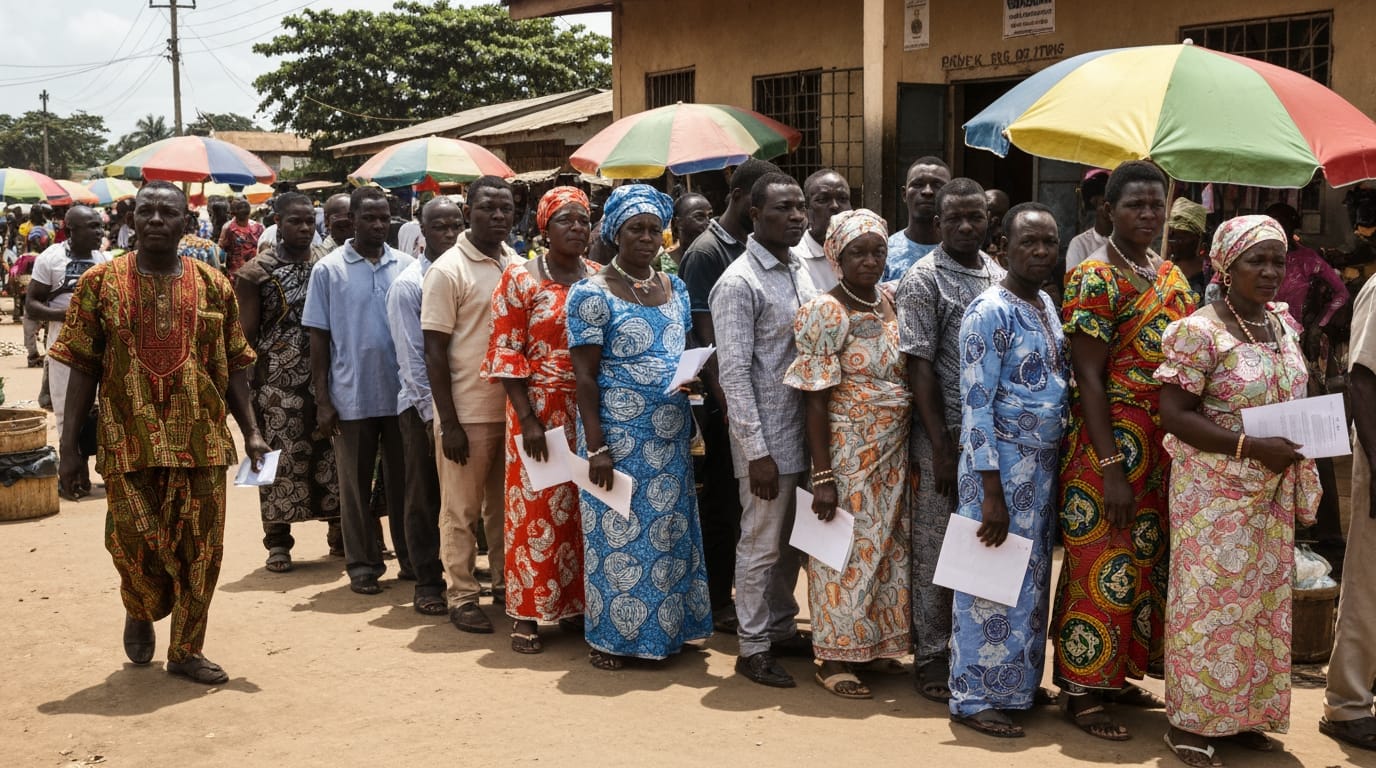
Brazzaville, Republic of the Congo – As the Republic of the Congo gears up for future elections, the shadow of President Denis Sassou Nguesso's decades-long rule looms large, raising persistent questions about the genuine competitiveness of the nation's democratic process. With a political landscape often characterized by an overwhelming dominance of the ruling party and a fragmented opposition, each electoral cycle increasingly appears to many as a foregone conclusion, cementing a continuity that critics argue stifles genuine political evolution and perpetuates a cycle of governance defined more by longevity than by popular mandate.
The Architect of Longevity: Sassou Nguesso's Enduring Grip on Power
Denis Sassou Nguesso, an 82-year-old former military officer, has been the central figure in Republic of the Congo politics for nearly four decades. His political career began with a prior presidential term from 1979 to 1992, during which he headed the Congolese Party of Labour (PCT). After a period out of power following the introduction of multiparty politics, he returned to the presidency in 1997 amidst civil conflict and has governed uninterruptedly ever since. This extended tenure has been facilitated by significant constitutional amendments. The 2002 constitution initially imposed a two-term limit and an age ceiling of 70 for presidential candidates. However, a contentious 2015 constitutional referendum, proposed by Sassou Nguesso, removed these restrictions, allowing him to seek further terms. Official results indicated a 92% approval for these changes with a 72% voter turnout, though these figures were met with widespread protests and claims of fraud. This pivotal change paved the way for his re-election in 2016 and again in 2021. In the 2021 presidential election, Sassou Nguesso secured a reported 88% of the vote for his fifth five-year term, with official results indicating 88.4% or 88.57%. This overwhelming victory occurred amidst an atmosphere frequently described by observers as lacking true competitive vigor.
Electoral Challenges and Allegations of Irregularity
The electoral process in the Republic of the Congo has consistently faced scrutiny over its fairness and transparency. While the constitution outlines a system where the president is elected for a five-year term and requires an absolute majority to avoid a second round, the practical application of these rules has drawn criticism. Reports from civil society groups and international bodies have frequently highlighted significant irregularities during election periods. For instance, the 2021 presidential election was marred by the sudden death of the main opposition candidate, Guy Brice Parfait Kolélas, hours after polls closed due due to COVID-19 complications. Moreover, internet services were reportedly interrupted on election day in 2021, limiting the flow of information and potentially hindering transparency. International observers have pointed to the organization of presidential elections and constitutional referendums as being reminiscent of the country's past one-party state era. Freedom House, a non-governmental organization, has notably rated the country's elections with a score of 0 out of 4 for being free and fair, underscoring deep-seated concerns about the integrity of the voting process. These recurring issues contribute to a perception that the electoral system, while outwardly pluralistic, functions within a framework that heavily centralizes executive power, thus limiting genuine democratic contestation.
A Fragmented Opposition Striving for Relevance
Despite the existence of a multi-party system, opposition parties in the Republic of the Congo are widely perceived to have little to no real chance of gaining power. The political landscape is dominated by Sassou Nguesso's Congolese Party of Labour (PCT) and its allies, which hold a commanding majority in parliament and almost all senior government positions. The challenges confronting the opposition are multifaceted, ranging from boycotts of elections by established parties to the imprisonment or exile of prominent challengers. In previous elections, key opposition figures were even prevented from participating. Furthermore, there are credible reports of the government routinely suppressing political parties that draw support from regions traditionally opposed to Sassou Nguesso's rule, and human rights activists who dare to denounce electoral irregularities have faced arrest. In a bid to counter this entrenched power dynamic, several opposition parties have begun to unify their efforts. Ahead of anticipated elections in March 2026, three opposition groups formed the "Alliance for Democratic Change in 2026," expressing their intent to push for reforms to the country's electoral supervisory bodies, which they contend are monopolized by the ruling party. However, the uphill battle for these groups is evident; many of their candidates have historically failed to secure more than 1% of the vote in previous presidential contests.
The Broader Implications: Governance, Development, and Stability
The prolonged political continuity in the Republic of the Congo carries significant implications for the nation's governance, economic development, and long-term stability. While supporters of President Sassou Nguesso often credit his enduring leadership with maintaining relative stability in a region frequently plagued by conflict, critics argue that this stability comes at a steep price. The country, despite being a major oil exporter, grapples with widespread poverty and a persistent reputation for corruption, ranking 164th out of 180 countries in Transparency International's 2022 Corruption Perceptions Index. Critics contend that the entrenched political system stifles economic diversification and delays essential governance reforms. Furthermore, allegations of corruption extend to the highest levels, with the president's family and advisors reportedly controlling the state-run National Petroleum Company of Congo (SNPC) with little oversight. The lack of meaningful democratic representation and the suppression of opposition voices, according to some analysts, create a fragile environment. While the current system ensures continuity, it also accumulates unresolved grievances and limits avenues for peaceful political change, potentially increasing the risk of severe instability when a succession eventually occurs. The judiciary, though constitutionally independent, also faces questions regarding its impartiality, as the president heads the Higher Council of Magistrates and nominates Supreme Court judges.
Awaiting Change in a Predictable Political Landscape
The Republic of the Congo finds itself in a political holding pattern, where the outward mechanisms of democracy exist, but the outcomes appear largely predetermined. President Denis Sassou Nguesso's enduring presidency, bolstered by constitutional amendments and a highly centralized political system, has created an environment where the opposition struggles to gain traction. The consistent allegations of electoral irregularities, combined with the marginalization and suppression of dissenting voices, paint a picture of a nation where political power is firmly concentrated. As future elections approach, the fundamental challenge for the Republic of the Congo remains how to transition from a system of predictable political continuity to one that embraces genuine democratic competition, fostering greater accountability, transparency, and inclusive development for all its citizens.


