Teenage Bullying Surges in Ukrainian Schools Amidst War's Lingering Scars
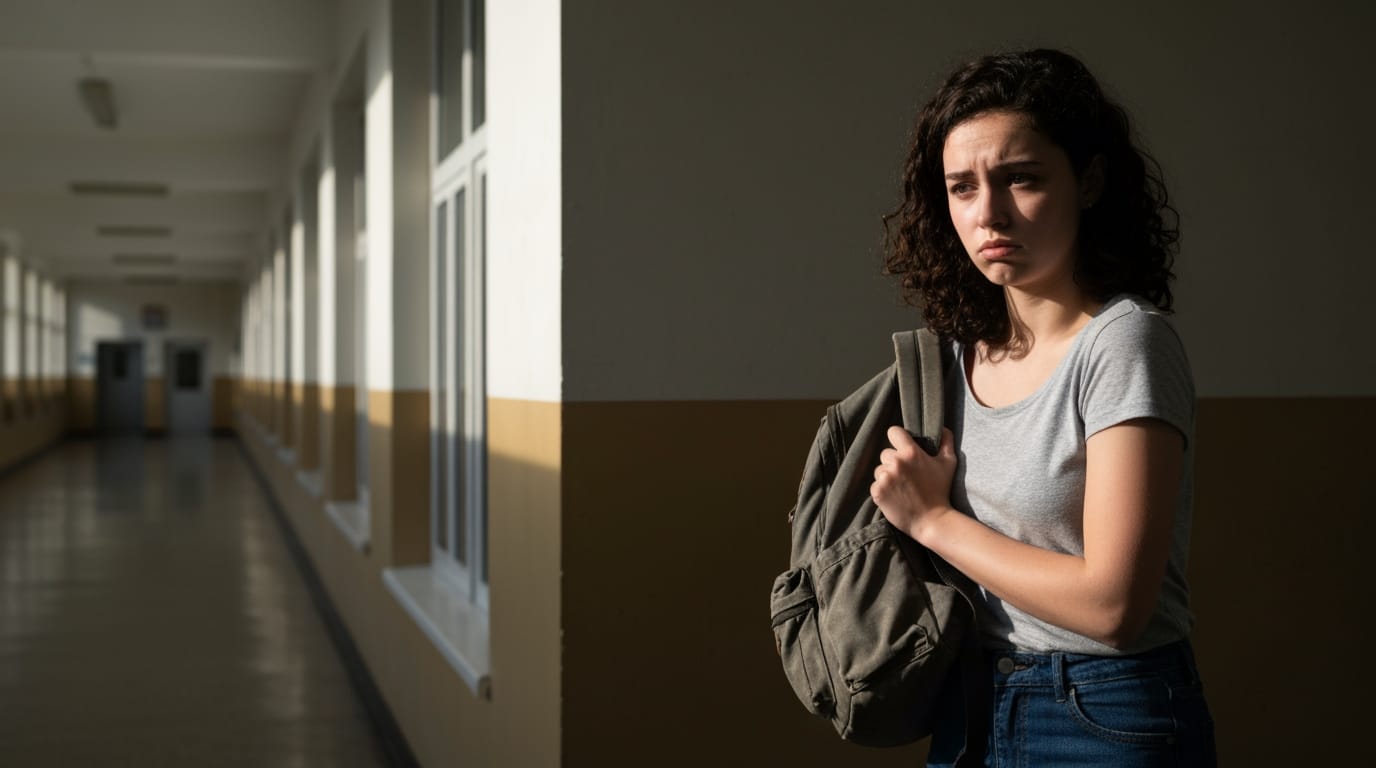
KYIV, Ukraine – Teenage bullying in Ukrainian schools is on a disturbing upward trajectory, exacerbated by the profound societal shifts and psychological strain imposed by the ongoing full-scale invasion. While long a persistent issue, recent data indicates a significant increase in reported cases and evolving patterns of aggression, painting a grim picture for the nation's youth as they navigate both classrooms and conflict. The war has not only intensified existing vulnerabilities but has also introduced new pretexts for harassment, leaving many students feeling isolated and vulnerable in an already turbulent environment.
The Alarming Rise in Numbers
Bullying among Ukrainian schoolchildren, particularly teenagers, remains a pervasive problem. According to UNICEF data, a staggering 67% of children aged 11 to 17 in Ukraine have encountered bullying. More recent findings from an all-Ukrainian study conducted between November 2023 and January 2024 revealed that 24.7% of middle school students (grades 5-9) have experienced bullying since the full-scale invasion began. While this figure reflects prevalence, the official reporting of such incidents presents a complex and often understated reality.
Official police records from the first four months of 2025 show a notable increase in reported bullying cases, averaging 32 reports per month. This marks a 15% rise compared to pre-war levels in 2021. However, the number of court decisions on bullying cases initially saw a sharp decline in 2022 following the full-scale war, with only 79 decisions compared to 147 in 2019. While these numbers have gradually increased since then, reaching 96 in 2023 and continuing their ascent into 2025, they have yet to return to pre-war figures, suggesting a significant underreporting mechanism at play. Experts emphasize that official statistics likely represent only a fraction of the actual occurrences, with many incidents dismissed as "jokes" or simply going unreported due to fear or shame.
War's Shadow: New Pretexts and Vulnerabilities
The full-scale Russian invasion has irrevocably altered the landscape of childhood in Ukraine, introducing unprecedented stressors that fuel aggressive behaviors and create new avenues for bullying. A critical development is the emergence of novel pretexts for harassment directly linked to the conflict. Children who have been internally displaced (IDPs) or those who have relocated abroad are increasingly targeted, often facing ostracization in their new educational settings. This vulnerability is further compounded by linguistic discrimination, with students from regions like Kharkiv, Kherson, Luhansk, and Kyiv, as well as those who have moved to Lviv and Kyiv from Kherson and Donetsk, more likely to be bullied for their use of the Russian language.
The pervasive anxiety gripping Ukrainian society, a direct consequence of the war, is also observed to manifest in children's behavior. Children, like adults, often struggle to cope with chronic stress, sometimes resorting to aggression as a means to achieve an "illusional sense of control" in an otherwise uncontrollable world. Studies have also highlighted that female adolescents in war-affected regions experience higher rates of bullying. The psychological toll of war trauma on adolescents, including increased risks of PTSD, depression, and anxiety, is closely associated with higher rates of bullying victimization.
The Silent Struggle and its Fallout
Bullying in Ukrainian schools takes various forms, each capable of inflicting deep and lasting psychological wounds. Relational bullying, characterized by spreading rumors, social exclusion, and discouraging friendships, was identified as the most prevalent type among Ukrainian adolescents in a recent study. Other forms include physical, verbal, and cyberbullying. Common pretexts cited by bullies include a victim's appearance, behavior, or worldview.
Despite the widespread nature of the problem, a significant number of victims suffer in silence. While nearly 60% of bullied students sought help, and over half of those received it, many still refrain from reporting incidents. Reasons for this reluctance include fear of retaliation, shame, or the belief that such behavior is "normal." The long-term effects on both victims and aggressors can be profound, often leading to compromised emotional development, anxiety, depression, and even an increased risk of suicidal thoughts in victims. Furthermore, children who engage in bullying may themselves be experiencing violence at home or witnessing it, underscoring the complex cycle of aggression within society. The lack of awareness among teachers and a deficit in specialized attention to the issue within schools further exacerbates the problem.
Addressing the Crisis: Legal Frameworks and Challenges
Ukraine has recognized the severity of the bullying problem and has taken legislative steps to address it. In 2018, the Verkhovna Rada passed a law on combating bullying, which introduced administrative and criminal liabilities for harassment. This legislation allows for fines to be imposed on offenders, with parents held responsible for their child's actions if the perpetrator is under 16 years old. Additionally, school leaders can face accountability for failing to report bullying incidents.
However, the implementation and effectiveness of these measures face significant challenges. Many investigations into bullying are closed due to a lack of evidence, highlighting systemic issues in documenting and prosecuting cases. The problem extends beyond mere legal enforcement; a lack of legal knowledge and an "anti-conflict culture" within Ukrainian society contribute to the persistence of bullying.
Effective bullying prevention, as outlined by experts, demands a comprehensive and systematic approach. This includes fostering friendly and supportive school environments, raising awareness among students, teachers, and parents, and actively involving all stakeholders in conflict resolution. Programs that build interaction and empathy skills among students are crucial for reducing aggression. The success of initiatives like the television drama "Pershi Lastivky" (Early Swallows), which brought taboo subjects like bullying and mental health to national attention, demonstrates the power of public discourse in breaking down barriers and encouraging help-seeking behavior.
A Call for Collective Responsibility
The escalating problem of teenage bullying in Ukrainian schools, intensified by the ravages of war, necessitates an urgent and concerted response. While legislative measures are in place, their true impact relies on consistent enforcement, greater public awareness, and a fundamental shift in societal attitudes towards conflict and aggression. The psychological resilience of an entire generation is at stake, as children grapple with both the visible scars of war and the invisible wounds inflicted by their peers. Protecting and nurturing Ukraine's youth requires not only rebuilding infrastructure but also consciously fostering environments of empathy, understanding, and safety within its educational institutions. The future of the nation depends on its ability to safeguard the well-being of its youngest citizens, ensuring that their schools are havens of learning, not battlegrounds of torment.


