African Youth Games: A Future Forged in Sustainability
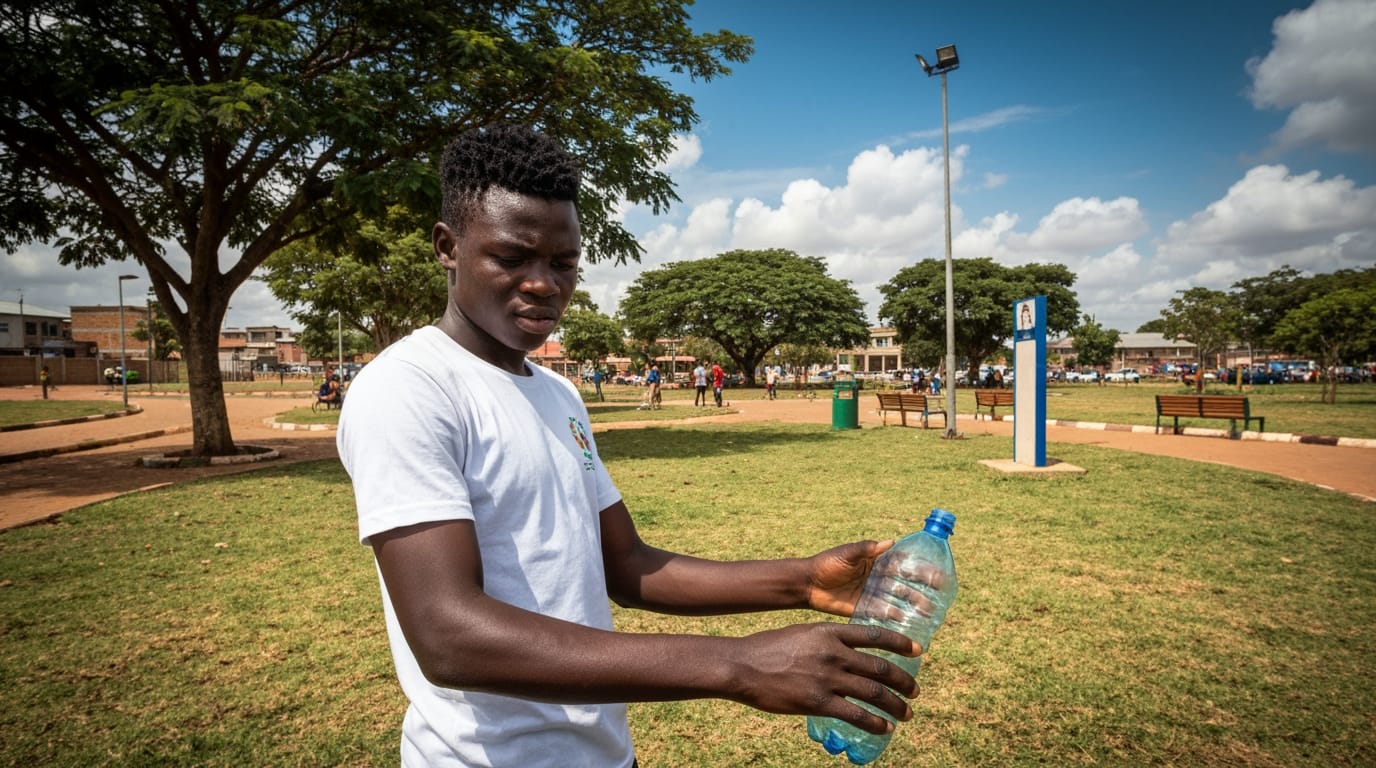
LUANDA, Angola – As the 4th African Youth Games (AYG) unfold in Angola from December 10 to 20, 2025, the spotlight intensifies on a critical determinant of their enduring success: a robust and meticulously executed sustainability plan. Beyond the thrill of competition and the celebration of young athletic talent, the long-term viability and positive impact of these continental sporting events hinge on their capacity to deliver lasting environmental, economic, and social legacies for Africa’s burgeoning youth population. This focus reflects a growing continental commitment to leverage sports as a powerful engine for holistic development, ensuring that the investments made today yield tangible benefits for generations to come.
A Platform for Potential: The Vision of African Youth Sports
The African Youth Games, established in 2010, serve as a vital multi-sport event held every four years, complementing the broader African Games. They were conceived to promote sports among African youths, identify and nurture emerging talents, and foster unity and cultural exchange across the continent. Previous editions have been hosted by Morocco (2010), Botswana (2014), and Algeria (2018), with Angola marking its turn in 2025 after a seven-year hiatus. These games, which convene athletes aged 14 to 17, are increasingly recognized as crucial stepping stones for future participation in events like the Youth Olympic Games (YOG) and even the main Olympic Games. For example, the 2025 AYG in Angola is part of the qualification pathway for the Dakar 2026 Youth Olympic Games, the first Olympic event ever to be held on African soil.
This overarching vision extends to other significant youth sports initiatives, such as the inaugural African School Games held in Algeria from July to August 2025. This event, involving over 3,000 young athletes from 44 African nations, was lauded as a bold step toward fulfilling United Nations Sustainable Development Goal 4 (Quality Education) by integrating sport as a tool for development and peace. Such events underscore a shared ambition across Africa: to make sport a foundational pillar for the continent's transformation, identifying and training future sporting talent while strengthening the capacities of young African athletes.
Sustainability at the Core: An Evolving Mandate
The success of these large-scale events is no longer solely measured by medal counts or attendance figures. Sustainability has emerged as a non-negotiable component, woven into the fabric of planning and execution. This comprehensive approach encompasses environmental protection, economic viability, and social development.
Environmentally, there's a concerted push for eco-friendly venues and practices. The Dakar 2026 Youth Olympic Games, for instance, emphasizes sustainable infrastructure, with venues designed for post-Games utility, such as hosting local leagues, youth academies, and community events. Senegal's commitment to sustainability for Dakar 2026 aligns with the International Olympic Committee's (IOC) Olympic Agenda 2020, promoting climate-friendly infrastructure. Parallel initiatives, such as the "Climate Games" by the Africa Alliance of YMCAs and Ghana's "Eco Games," are actively engaging youth in environmental education and climate action through interactive play, demonstrating an innovative approach to fostering ecological awareness from the grassroots.
Economically, the emphasis is on creating a lasting legacy that extends beyond the event's duration. Public-private partnerships are being explored to fund the maintenance of facilities, ensuring financial sustainability. Major sports events are increasingly viewed as "economic growth engines" capable of boosting economies and benefiting sectors such as health, education, and social inclusion. The African School Games in Algeria, for example, saw the host nation cover all participation costs for 3,000 athletes, thereby removing financial barriers and promoting equal access to opportunity, a core tenet of sustainable development. This investment aims to build a robust sports ecosystem, create job opportunities within the sports industry, and retain African talent on the continent.
Socially, the Games are designed to foster youth empowerment, human capital development, and national branding through sport. They promote Olympic values, inclusion, and cultural exchange, offering young athletes invaluable opportunities for intercontinental experience. The Dakar 2026 Learning Academy, an IOC-structured program, aims to equip participants with essential skills in Games management and operations, building long-term event delivery capacity across Senegal and the wider continent. Furthermore, the inclusion of traditional African games like Kiela and Wela in the AYG program highlights elements of African sporting heritage, contributing to cultural preservation and promotion.
Navigating Challenges, Seizing Opportunities
While the vision for sustainable youth games is ambitious, its implementation faces practical challenges. The 2014 African Youth Games in Botswana, for example, highlighted both positive gains in skill and knowledge development, and negative outcomes such as a lack of opportunities to apply new skills post-event, strained relationships within the sport system, and unmet financial expectations. Similarly, the first African School Games in 2025 encountered issues related to limited funding, inadequate facilities, and poor organization, which left some participants disillusioned and underscored unequal access for less affluent schools. These experiences reveal that without careful planning and continued investment, the potential for long-term impact can be significantly diminished.
However, organizers are learning from these experiences. Initiatives like the proposed African School Games Legacy Programme, underpinned by a Sport for Development Fund and a Community Campus Network, aim to embed sustainable impact by integrating sport, education, culture, and enterprise into localized hubs. This proactive approach seeks to bridge the gap between grassroots participation and elite opportunity, ensuring that the benefits of hosting extend far beyond the immediate event. The commitment by host nations like Angola to upgrade national sports infrastructure and their organizational abilities further positions them as strategic hubs for African sports, promising enduring advantages.
A Legacy Beyond the Podium
Ultimately, the success of the African Youth Games, and indeed all continental youth sports initiatives, is determined not just by the athletic achievements on the field but by the lasting legacy they create. As Minister Anselem Sanyatwe of Zimbabwe noted, these games are "more than just a competition" but a "critical investment in the future," a groundwork platform for upcoming global events and a conveyor belt for long-term sporting journeys. They align with national development strategies that emphasize youth empowerment, human capital development, and economic growth through sport.
By prioritizing sustainability—through eco-conscious infrastructure, sound financial planning, and robust social development programs—African nations are not merely hosting sports events; they are investing in their most valuable asset: their youth. This strategic approach ensures that the energy, talent, and passion of young Africans are harnessed to build a more unified, prosperous, and sustainable continent for decades to come.