Africa's Moment: Record 10 Nations Set to Make History at World Cup 2026
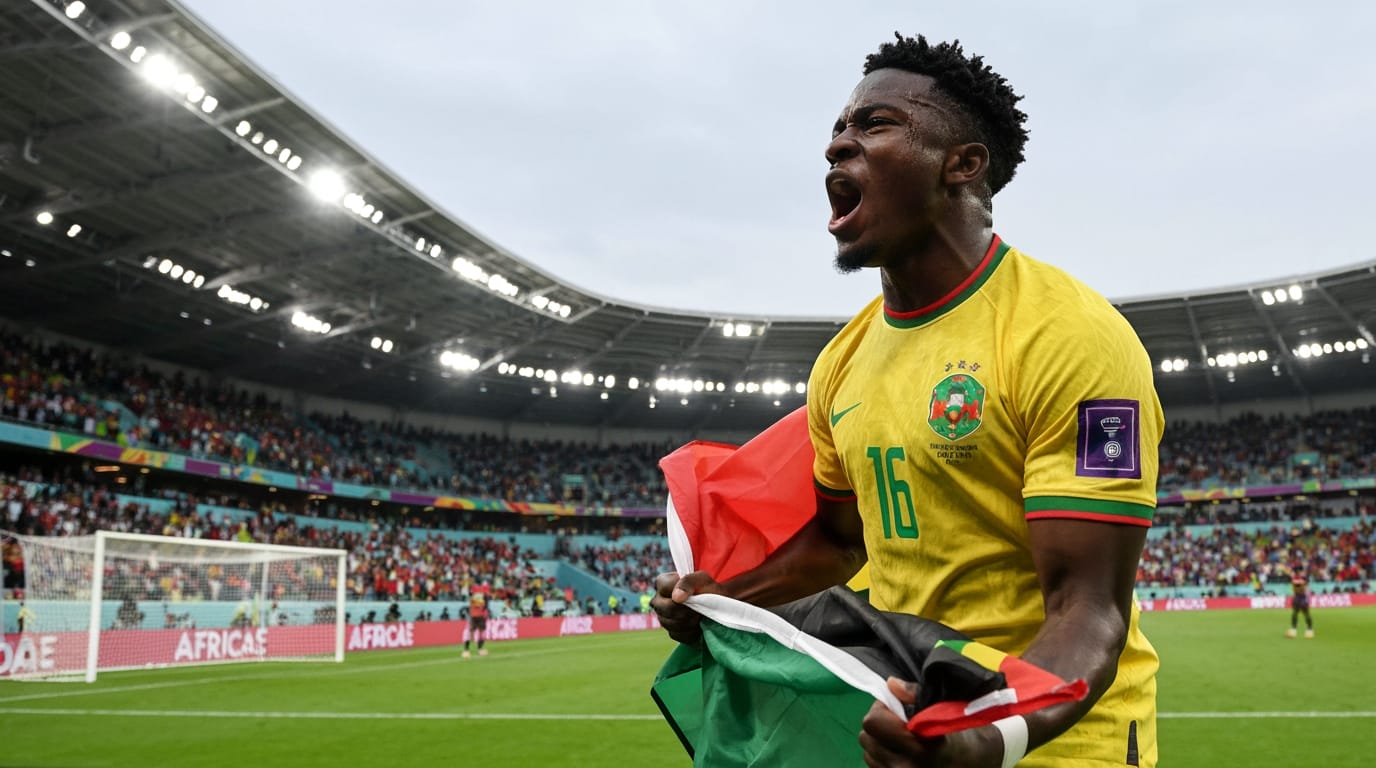
The 2026 FIFA World Cup, co-hosted by Canada, Mexico, and the United States, marks a historic turning point for African football, with an unprecedented 10 nations representing the continent on the global stage. This expanded representation, a direct result of FIFA's decision to increase the tournament to 48 teams, ushers in an era of heightened opportunity and expectation for African teams looking to build on past achievements, most notably Morocco's groundbreaking semi-final run in 2022. The increase from five to a potential 10 African participants not only signifies a quantitative leap but also a qualitative shift in global football dynamics, offering a broader platform for talent, fostering continental pride, and promising significant social and economic ripple effects across Africa.
An Unprecedented Opportunity on the Global Stage
For the first time in FIFA World Cup history, Africa will send a double-digit contingent to the tournament. The Confederation of African Football (CAF) has secured nine direct qualification slots, a substantial increase from the previous five, with an additional tenth spot earned by DR Congo through an inter-confederation play-off. This expansion culminates years of advocacy from African football federations for equitable representation commensurate with the continent's footballing prowess and the sheer number of its member associations.
The qualification process for the 2026 World Cup saw 54 CAF teams initially drawn into nine groups of six. The winner of each group secured a direct ticket to the finals. Subsequently, the four best group runners-up progressed to a continental play-off, with the winner of that play-off advancing to the inter-confederation play-off tournament, where DR Congo emerged victorious to claim Africa's tenth spot.
The 10 nations carrying Africa's hopes in North America are Algeria, Cape Verde, Côte d'Ivoire, DR Congo, Egypt, Ghana, Morocco, Senegal, South Africa, and Tunisia. This diverse group includes established powerhouses, nations returning after significant absences, and a historic debutant, reflecting the deepening talent pool across the continent. South Africa, for instance, returns to the global finals for the first time since hosting the tournament in 2010, while DR Congo makes its first appearance since 1974. Meanwhile, Cape Verde celebrates a momentous debut, demonstrating that smaller nations can now compete on the biggest stage.
Building on Past Glories and Emerging Talent
The increased African representation arrives on the heels of Morocco's electrifying performance at the 2022 World Cup in Qatar, where the Atlas Lions became the first African and Arab nation to reach the semi-finals. Their historic run, which included victories over European giants Belgium, Spain, and Portugal, shattered long-standing perceptions and demonstrated that African teams possess the tactical maturity and quality to challenge the sport's traditional elite. This achievement has significantly fueled continental ambition, shifting the narrative from merely participating to genuinely competing for top honors.
Before Morocco's breakthrough, African nations had etched their names in World Cup history with memorable quarter-final appearances by Cameroon in 1990, Senegal in 2002, and Ghana in 2010. These moments, often characterized by captivating play and unexpected upsets, have cultivated a growing belief in African football's potential. The 2026 contingent features a blend of these experienced campaigners, like Senegal and Ghana, alongside teams like Côte d'Ivoire and Egypt, who are eager to reassert their presence, and newcomers like Cape Verde, ready to make their mark. The improved quality of play and tactical sophistication within African teams underscore a continent ready to showcase its footballing evolution.
Beyond the Pitch: Economic and Social Ripples
The impact of Africa's expanded presence at the World Cup extends far beyond the confines of the football pitch. The increased visibility for these nations translates into a "visibility premium," attracting greater interest from global scouting networks, securing more lucrative sponsorship deals, and enhancing leverage in international media rights negotiations. This influx of attention effectively transforms talent into a marketable asset, drawing global investment into the continent's footballing ecosystem.
Domestically, the ripple effects are felt across various sectors. Local sports retail, hospitality around viewing events, and the digital space witness a surge in activity as passionate fans engage with platforms and merchandise. Telecommunications companies, for instance, are strategically integrating World Cup content into data subscriptions, leveraging the massive continental viewership. More profoundly, the World Cup serves as a powerful catalyst for national pride and unity, rallying diverse communities, both at home and within the vast African diaspora in North America and beyond. The tournament provides a unique platform for celebrating culture, heritage, and identity, inspiring young generations to pursue their dreams in football and beyond. Despite the logistical challenges posed by the vast geographical distances across North America, African teams anticipate significant "home" support from large diaspora communities in host cities.
Aspirations and the Road Ahead
With record representation comes elevated expectations. The overarching question for African football at the 2026 World Cup is whether this increased numerical presence can translate into an unprecedented level of performance. The challenge remains significant, as European and South American nations have historically dominated the tournament. However, the success of Morocco in 2022 has instilled a tangible belief that an African team can genuinely contend for the ultimate prize, with some analysts even considering a final appearance a realistic possibility.
Beyond immediate tournament success, the long-term ambition for African football is to establish a sustainable economic model. This model aims to professionalize the sport, enabling nations to retain their best players for longer periods and ensuring that regulatory mechanisms balance commercial interests with competitive integrity. The immense energy and potential of Africa's largely youthful population are seen as critical assets in this developmental journey, capable of driving "miracles" when provided with transparent governance and robust structures. The 2026 World Cup serves as a crucial benchmark, not just for individual team performances, but for the continued growth and influence of African football on the global stage.
The 2026 FIFA World Cup represents a monumental chapter for African football. With 10 nations poised to compete, the continent enters the tournament with a blend of historical context, burgeoning talent, and heightened aspirations. This expanded presence is more than just a statistical milestone; it is a testament to the continent's growing influence, a catalyst for economic and social development, and a powerful symbol of unity and inspiration. The world watches to see if this new era will deliver the sustained success that African football has long promised, solidifying its place among the sport's global elite.


