Morocco's 2030 World Cup: A Transformative National Endeavor Beyond the Pitch
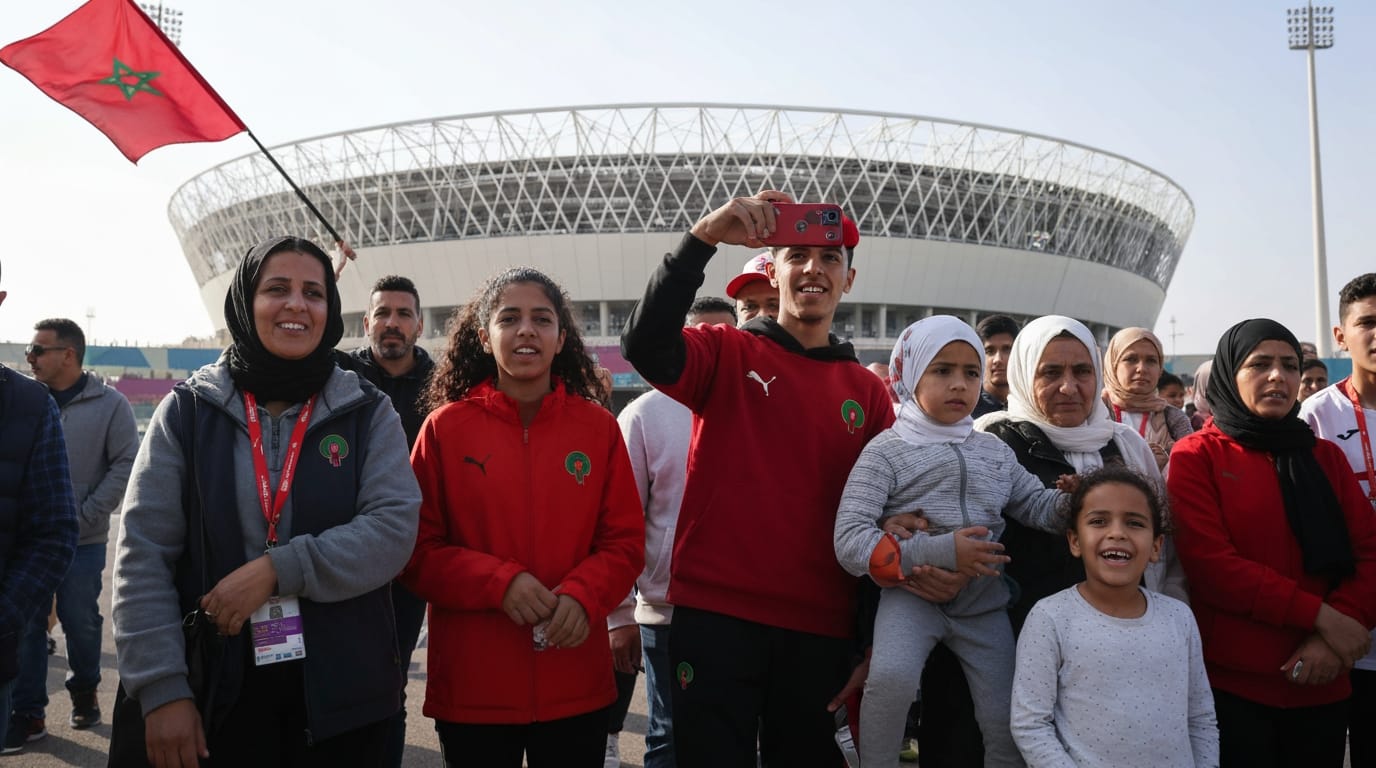
Rabat, Morocco – The Kingdom of Morocco's successful joint bid with Spain and Portugal to host the 2030 FIFA World Cup represents far more than a mere sporting event; it is widely regarded as a profound national project, poised to catalyze unprecedented economic, social, and geopolitical transformation for the North African nation. Following numerous prior attempts, the allocation of co-hosting rights marks a historic milestone, positioning Morocco at the heart of the first-ever World Cup to span two continents, Europe and Africa, and underscoring a strategic vision to accelerate development and enhance its global standing.
A Long-Awaited Dream Realized and a Royal Mandate
Morocco's journey to co-host the World Cup has been characterized by persistent ambition, with five previous unsuccessful bids for the tournaments in 1994, 1998, 2006, 2010, and 2026. The eventual triumph for 2030, in partnership with its Iberian neighbors, signifies a culmination of decades of strategic efforts and an unwavering national desire. King Mohammed VI has personally overseen the preparations, emphasizing that the event is a unique opportunity to propel economic growth, create jobs, and boost tourism, aligning with a broader national development agenda. This royal directive underscores the government's prioritization of the event, with an expanded committee including representatives from civil society, Moroccan expatriates, and African talents established to ensure the aspirations are met. FIFA's unanimous approval of the joint bid, which also includes symbolic centenary matches in Uruguay, Argentina, and Paraguay to honor the tournament's 1930 origins, cements this historic achievement.
Infrastructure Revolution: Laying the Foundations for Future Growth
Central to Morocco's "national project" vision is an extensive and ambitious infrastructure overhaul, critical for meeting FIFA's stringent standards and fostering long-term economic dividends. The nation plans to invest an estimated $23 billion in infrastructure projects, with Morocco's direct share of the overall multi-nation budget expected to range between $5 and $6 billion. This investment encompasses a wide array of initiatives, from state-of-the-art sports facilities to advanced transportation networks.
Key sports infrastructure plans include the construction of the new Grand Stade Hassan II in Benslimane, set to become one of the world's largest stadiums with a capacity of 115,000 spectators, and the upgrading of six existing venues across Rabat, Tangier, Marrakech, Agadir, Fez, and Casablanca. These stadium projects alone are estimated to cost between $1.79 billion and $1.93 billion, with the Hassan II stadium slated for completion by the end of 2027.
Beyond stadiums, a significant portion of the investment targets connectivity. The "Airports 2030" project, valued at approximately 28 billion dirhams, will see the construction of a new airport in Casablanca and expansions of others in cities like Rabat-Salé and Fez, aiming to increase the Casablanca Mohammed V International Airport's annual capacity to 35 million passengers. Road networks are also receiving substantial upgrades, with an investment of about $1.25 billion for highway projects. Furthermore, Morocco is extending its high-speed rail network with a $9.6 billion investment, part of a broader $37 billion rail strategy, connecting key cities like Tangier and Marrakech. Complementary improvements include modernizing medical services, enhancing telecommunications networks (including a 5G rollout), and expanding hotel capacities to accommodate the anticipated influx of visitors.
Economic Catalyst and Social Upliftment
The economic projections for Morocco, stemming from the World Cup, are substantial. The event is expected to generate billions of dollars in economic activity and create tens of thousands of jobs across various sectors, including construction, hospitality, and tourism. The International Monetary Fund (IMF) projects that these infrastructure investments could boost Morocco's real GDP by approximately 2% by 2030 compared to a scenario without such investments, with potential for further growth to about 3% in subsequent years. This economic impetus is seen as a strategic move to attract foreign investment and accelerate the country's overall growth strategy, with public and private sector contributions totaling tens of billions of dirhams.
On a social level, the World Cup is anticipated to have a profound impact. It offers a unique opportunity to unite Moroccans around a shared national ambition, fostering national pride and inspiring a new generation of athletes and citizens. The memory of the national team's historic semi-final run in the 2022 World Cup, the first for an African and Arab nation, demonstrated football's unifying power, which the 2030 tournament aims to amplify. Community programs focused on education and youth development are integral to the bid, aiming to ensure the benefits extend beyond the immediate economic gains and leave a lasting, positive legacy for Moroccan society.
Geopolitical Resonance and Global Positioning
The 2030 World Cup also holds significant geopolitical implications for Morocco, reinforcing its role as a bridge between Africa and Europe. By co-hosting with Spain and Portugal, Morocco is strategically strengthening its ties with the European Union and asserting its leadership role on the African continent. This transcontinental cooperation is a testament to Morocco's "soft power" strategy, allowing it to showcase a modern, tolerant, and emerging image on the international stage. The event is expected to elevate Morocco's diplomatic influence, attracting global attention and potentially fostering greater support for its national causes. The Kingdom aims to utilize this global platform to demonstrate its capacity to manage massive international events and project itself as a primary driver of globalization, not merely a spectator.
Navigating Challenges and Ensuring Sustainable Growth
While the potential benefits are immense, the ambitious undertaking is not without its challenges. The IMF has issued warnings regarding the financial risks, citing concerns about potential cost overruns, the high import content of infrastructure projects (estimated at 60% of spending), and the widening fiscal deficit. Public debt could increase by approximately 8 percentage points of GDP by 2030. The IMF emphasizes the critical need for stronger project oversight, efficient execution, and integrating maintenance costs into budget planning to ensure long-term fiscal sustainability. There are also ongoing discussions within Morocco regarding the prioritization of funds, with some voices suggesting a stronger focus on social sectors like education and healthcare. However, proponents argue that strategic infrastructure investment through the World Cup can ultimately generate the economic growth needed to improve these essential services in the long run.
In conclusion, the 2030 FIFA World Cup for Morocco transcends the boundaries of sport, evolving into a comprehensive national project designed to reshape its future. It is a calculated strategic investment aimed at modernizing infrastructure, stimulating economic prosperity, fostering national pride, and significantly enhancing the nation's geopolitical standing. While facing considerable financial and logistical challenges, the Kingdom's commitment reflects a long-term vision to leverage this global spectacle as a powerful catalyst for enduring transformation.


