Iran's Hardliners Confront Diplomatic Push as U.S. Deal Looms
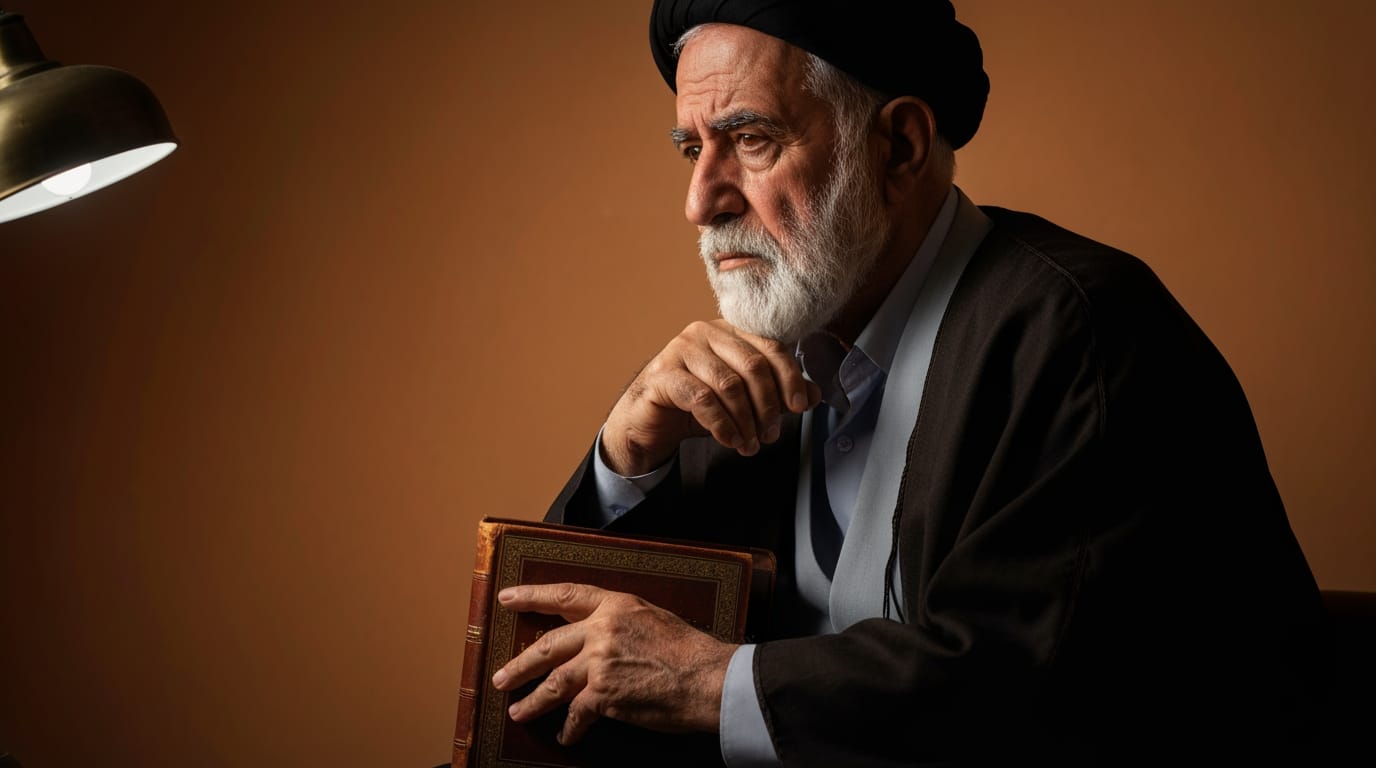
Tehran, Iran – As diplomatic channels between Tehran and Washington signal a potential breakthrough on a new agreement, Iran's influential hardline factions are vocalizing profound fears of marginalization, raising a domestic political storm that threatens to complicate the delicate negotiations. This internal resistance highlights a deep ideological rift within the Islamic Republic, pitting a pragmatic, economy-focused approach against a staunch anti-Western stance that views any rapprochement with the United States as a betrayal of revolutionary principles. The intense backlash, marked by public protests and calls for resignations, underscores the high stakes involved in defining Iran's future trajectory on the international stage and its internal power dynamics.
The current political landscape in Iran is characterized by a palpable tension between the administration of President Masoud Pezeshkian, which seeks to alleviate severe economic pressures through diplomacy, and conservative elements deeply suspicious of Western intentions. Foreign Minister Abbas Araghchi, a key negotiator, has become a lightning rod for hardline criticism, facing demands for his resignation amid accusations of "selling out the country's defense capabilities." This opposition is rooted in a fundamental distrust of the U.S., often citing Washington's 2018 withdrawal from the original nuclear deal as evidence that the U.S. cannot be trusted. For these factions, engaging in negotiations from a position of economic strain is perceived as weakness, potentially leading to unacceptable compromises on core national interests.
Hardline concerns extend to several critical areas that they consider non-negotiable "red lines." Foremost among these are Iran's regional missile program and its network of allied militias, which conservatives view as indispensable to the country's defense and regional influence. There is also significant apprehension regarding the Strait of Hormuz, a vital global shipping lane through which a substantial portion of the world's oil and gas supplies pass. Hardline lawmakers, such as Mahmoud Nabavian, have warned that any agreement perceived to cede control or influence over the strait would effectively turn Iran into "a colony of the United States" and be a "catastrophic capitulation." They argue that maintaining exclusive management and the ability to impose tolls or ban Israeli-linked vessels are crucial strategic levers. The hardline Paydari Front, a prominent ultra-conservative faction, has been particularly vocal in its opposition, demanding maximalist terms and rejecting any perceived concessions.
Conversely, the reformist and moderate camps, backed by President Pezeshkian, advocate for a diplomatic resolution as a pragmatic necessity. Decades of crippling international sanctions have severely impacted Iran's economy, leading to skyrocketing inflation, diminished oil revenues, and widespread public frustration. Pezeshkian campaigned on a promise to revitalize the economy, a goal his administration recognizes as unattainable without significant sanctions relief. For them, diplomacy represents the most viable path to rebuild internal strength and stabilize the country, even if it entails a delicate balancing act to protect Iran's sovereignty while seeking more predictable relations with Western powers. They believe that engaging with Washington is essential to ease economic pressure and stabilize the nation, viewing the potential agreement as a state-backed effort to end conflict.
The depth of the internal division is evident in the public sphere, with protests in Tehran calling for the resignations of key negotiators like Foreign Minister Araghchi and Parliamentary Speaker Mohammad Bagher Ghalibaf, with some demonstrators even chanting death threats. Hardline media outlets, such as the newspaper Kayhan, have denounced the proposed Memorandum of Understanding (MoU) with the U.S. as a "surrender," while reformist publications like Shargh and Etemad have presented it as a necessary step towards peace and economic relief. This stark divergence in framing highlights the struggle for narrative control and public opinion within Iran.
Despite the vociferous opposition, some experts suggest that the hardline backlash, while significant, may not ultimately derail a deal that the broader ruling elite views as crucial for the Islamic Republic's survival. Analysts indicate that the divisions within Iran's political establishment are often less about whether to preserve the Islamic Republic, and more about how best to achieve that preservation. According to this perspective, real power often resides in a collective leadership including figures like Ghalibaf, the Islamic Revolutionary Guard Corps (IRGC) leadership, and the Supreme National Security Council, which may perceive a deal with Washington as a necessary evil to safeguard the system in the face of ongoing internal and external pressures. The shifting regional dynamics, including disruptions to Iran's traditional deterrence strategy, further compel Tehran's leadership to reconsider its options and potentially embrace diplomacy as a strategic tool.
As Iran navigates these complex domestic and international currents, the outcome of any potential deal with the U.S. will undoubtedly reshape the country's political landscape and its role in the Middle East. The intense scrutiny and opposition from hardliners underscore the profound ideological and strategic challenges facing Iran's leadership. The current moment represents a critical juncture, where economic imperatives push for engagement, while deeply entrenched revolutionary principles and historical grievances fuel resistance, creating a precarious balance that will determine Iran's path forward in a rapidly evolving global environment.


