Africa's Pivotal Electoral Year: A Test for Democracy and Stability in 2026
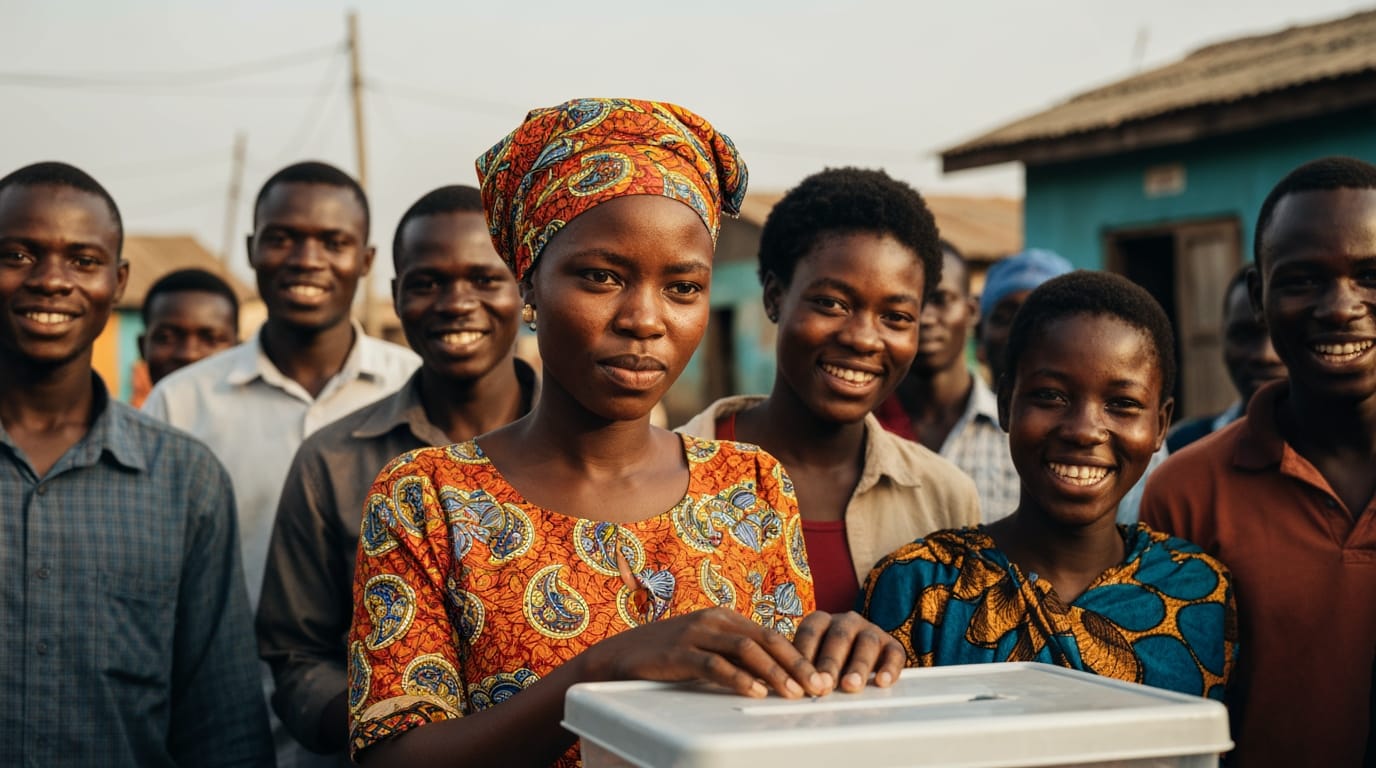
Across the African continent, 2026 is poised to be a pivotal year, with more than a dozen nations scheduled to hold national-level elections that will significantly shape their political landscapes and determine the trajectory of democratic governance. These high-stakes contests are set against a complex backdrop of persistent concerns over electoral integrity, entrenched incumbents, economic pressures, and evolving geopolitical dynamics, all of which underscore the "uneven but dynamic" nature of Africa's democratic journey. The outcomes of these elections will not only redefine national governance but also carry profound implications for regional stability and development.
A Continent at the Polls: Overview of 2026 Elections
The sheer volume of national elections scheduled for 2026, encompassing presidential, parliamentary, and general polls, signals a critical period for democratic accountability and political transitions across Africa. From the Horn of Africa to the west and southern regions, citizens are expected to cast their votes amid varying degrees of political openness and institutional strength. This electoral calendar arrives after a 2025 marked by mixed outcomes, including instances where established electoral systems demonstrated relative stability, while others revealed ongoing challenges related to political inclusion, institutional independence, and civic space. Such dynamics highlight recurring structural pressures on electoral integrity, which will undoubtedly influence the perception and legitimacy of the upcoming votes.
High Stakes and Entrenched Power: Uganda, The Gambia, and Djibouti
Several elections in 2026 will feature long-serving leaders seeking to extend their mandates, raising questions about term limits and the democratic space for opposition. In Uganda, a general election is scheduled for January 15, 2026. President Yoweri Museveni, who has been in power since 1986, is expected to seek yet another term. Reports preceding the election indicated concerns over opposition arrests, interference in campaigns, and limitations on public assembly. The political environment was perceived to be constrained, with attention focused on the independence of the Electoral Commission, the conduct of security agencies, and the ability of opposition parties to mobilize. An election observation mission from the African Union (AU), in collaboration with COMESA and IGAD, was deployed, noting that the campaign period was marred by intimidation and arbitrary arrests targeting opposition figures and journalists.
Similarly, in The Gambia, presidential elections are planned for December 5, 2026, where incumbent President Adama Barrow is reportedly aiming for a controversial third term. Further east, Djibouti is scheduled for presidential elections in April 2026. President Ismaïl Omar Guelleh has announced his candidacy for a sixth term, following a 2025 constitutional amendment that removed age limits, sparking concerns about the lack of political space and potential for future instability. These cases exemplify a broader trend across the continent where "entrenched incumbents and constrained electoral choice" remain significant challenges to democratic deepening.
Post-Conflict and Transitionary Votes: Ethiopia, South Sudan, and Libya
Other nations will hold elections with profound implications for peace and national unity, often emerging from periods of conflict or severe political instability. Ethiopia is slated for a general election on June 1, 2026, marking the first nationwide vote since the conclusion of the Tigray civil war in December 2022. This election presents an opportunity for Prime Minister Abiy Ahmed to consolidate his power base, though concerns about increasing violence and repression of journalists have been noted. The electoral process is expected to have significant implications for stability across the Horn of Africa, particularly as key opposition groups are anticipated to boycott the polls, and voting in some contested areas, including Tigray, remains uncertain.
In South Sudan, general elections are scheduled for December 22, 2026. These will be the nation's first elections since gaining independence in 2011 and have been repeatedly postponed, underscoring the formidable challenges of nation-building and establishing democratic institutions in a post-conflict environment. Meanwhile, Libya has general elections tentatively scheduled for April 2026. However, the feasibility of holding credible elections remains highly uncertain, contingent on stabilizing the political process between rival administrations and establishing a unified electoral framework in the volatile North African country.
Emerging Dynamics and Regional Nuances: Benin, Zambia, Morocco, and Cape Verde
Beyond these high-profile cases, other African nations will navigate their own unique electoral challenges. Benin, once lauded as a regional democratic model, will hold its presidential election on April 12, 2026, alongside parliamentary elections in January. Recent electoral cycles in Benin have raised concerns about political inclusion and restrictive reforms, despite President Patrice Talon signaling adherence to the constitutional two-term limit.
Zambia is preparing for general elections on August 13, 2026, with incumbent President Hakainde Hichilema expected to seek a second term. In North Africa, Morocco will hold general elections in September 2026. These parliamentary elections follow significant youth-led protests, indicating a dynamic domestic political landscape where the monarchy continues to play a guiding role. Furthermore, Cape Verde is scheduled for presidential elections in October 2026, continuing its distinctive "cohabitation" political arrangement where the presidency and the legislative majority are held by rival parties. The self-declared republic of Somaliland is also set to hold parliamentary and municipal elections in June 2026, following a notable diplomatic breakthrough in late 2025. These diverse electoral contexts highlight the varied paths and democratic experiments unfolding across the continent, with youth-led movements increasingly challenging entrenched models.
The Road Ahead for African Democracy
The confluence of these elections in 2026 underscores a critical juncture for African democracy. The outcomes will undoubtedly shape the future of governance, stability, and development for millions. The continent faces a complex interplay of internal governance challenges, including the desire of incumbents to retain power, and a rapidly shifting global order characterized by declining external accountability and intensified global power competition.
Building resilient electoral institutions, fostering inclusive governance, and strengthening regional leadership are paramount to navigating these challenges. While optimism exists regarding the potential for consolidating democratic gains, the path ahead is far from smooth. The year 2026 will be a litmus test for the resilience of democratic norms and institutions across Africa, determining whether these electoral processes can serve as catalysts for national reconciliation and progress or exacerbate existing divides.


