Airports in Crisis: TSA Exodus Mounts as ICE Agents Patrol Terminals Amid Funding Standoff
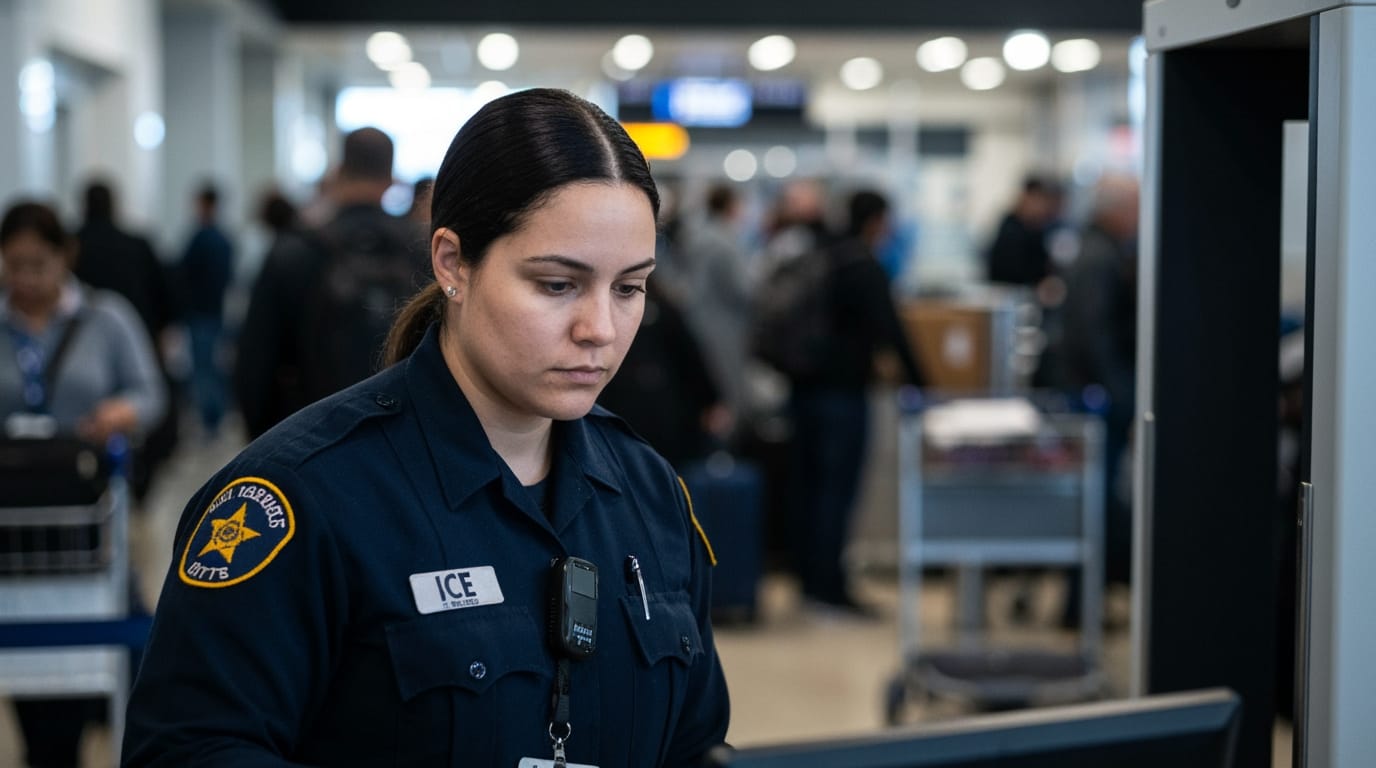
Washington, D.C. – U.S. airports are grappling with an unprecedented dual crisis: a significant exodus of Transportation Security Administration (TSA) agents and the controversial deployment of Immigration and Customs Enforcement (ICE) officers to patrol terminals. The confluence of a partial government shutdown, which has left thousands of federal employees working without pay, has severely strained airport operations, resulting in record-long security lines and raising widespread concerns about national security, passenger experience, and civil liberties.
The Strain on the Front Lines: TSA's Exodus
The ongoing partial government shutdown, now in its sixth week, has plunged the Transportation Security Administration into a staffing emergency. Since mid-February, nearly 500 TSA officers have resigned, choosing to leave federal service rather than continue working without pay. This exodus is compounded by soaring absenteeism, with nationwide call-out rates exceeding 11% and reaching as high as 40% to 50% at some of the nation's busiest airports, including Atlanta's Hartsfield-Jackson and Houston's George Bush Intercontinental.
The primary driver behind the mass departures and absences is the severe financial hardship faced by TSA agents, who are considered essential personnel and are mandated to work without their regular paychecks. Many officers have publicly shared their struggles to afford basic necessities like gas, childcare, food, and rent. The situation echoes past government shutdowns, where hundreds of TSA officers also resigned, highlighting a recurring vulnerability in the agency's workforce. Historically, TSA has contended with high turnover rates and low morale, partly due to compensation that lags behind other federal agencies and a lack of certain workplace rights, such as statutory Family and Medical Leave Act protections. Ha Nguyen McNeill, Acting TSA Administrator, warned a House committee that the dispute has led to "the longest lines in the agency's history" and could force the closure of smaller airports if staffing issues worsen. Passengers at airports like Houston's Hobby have endured wait times exceeding four hours, with some travelers reporting missed flights and even sleeping at terminals.
ICE Steps In: A New Frontier for Enforcement?
In an unprecedented move to address the escalating crisis, President Donald Trump ordered the deployment of Immigration and Customs Enforcement (ICE) agents to at least 14 major U.S. airports. The administration stated that ICE officers would provide "non-specialized security support" to alleviate pressure on understaffed TSA checkpoints. Their assigned duties include crowd management, directing passenger flow, assisting with line control, and manning exit lanes.
Airports where ICE agents have been observed include Chicago O'Hare, Cleveland Hopkins, Hartsfield-Jackson Atlanta, George Bush Intercontinental in Houston, William P. Hobby Airport, John F. Kennedy International, and Newark Liberty International. It is critical to note that ICE agents are not trained for, nor are they conducting, routine security screenings, baggage inspections, or operating X-ray machines – functions that remain exclusively under the purview of trained TSA officers.
Rising Concerns and Unanswered Questions
The visible presence of armed ICE agents in airport terminals has ignited a fierce debate among lawmakers, civil liberties advocates, and the traveling public. While the administration frames the deployment as a necessary measure to support airport operations, critics have voiced significant concerns that it could lead to increased immigration enforcement activities within airports, impacting travelers' rights and fostering an environment of fear.
President Trump himself fueled these concerns by suggesting that ICE agents could make arrests of undocumented immigrants at airports, describing them as "fertile territory" for such operations. Although ICE has always maintained a presence at airports for specific functions like deportations, their newfound visibility in day-to-day airport operations represents a notable shift. Civil liberties groups warn that this could lead to individuals being questioned about their immigration status, potentially creating anxiety, particularly for non-white travelers or those who do not speak fluent English. While travelers are not legally required to carry immigration documents for domestic flights, ICE agents retain their federal law enforcement authority and can question or detain individuals suspected of immigration violations anywhere in the airport. Despite the deployment, reports indicate that the presence of ICE agents has had limited impact on reducing the extensive security lines at many airports.
A System Under Duress
The current airport disruptions highlight long-standing systemic issues within the TSA, exacerbated by political impasses over federal funding. Even with a new compensation plan implemented in 2023 aimed at closing pay gaps with other federal agencies, the underlying vulnerabilities of modest pay, demanding work schedules, and irregular hours persist. Union leaders have consistently warned that funding uncertainties could reverse any gains made in retention and morale.
The decision to deploy ICE agents, while intended to mitigate the immediate effects of TSA staffing shortages, introduces additional layers of complexity and potential tension. The core issues of fair compensation for essential federal workers and stable government funding remain unresolved, leaving the nation's air travel system in a precarious state as it approaches peak travel seasons.
Conclusion
The confluence of a struggling TSA workforce and the visible presence of ICE agents has cast a shadow over U.S. air travel. The ongoing government shutdown has created a volatile environment where national security and the efficiency of air travel are directly impacted by political stalemates. While TSA agents continue to perform their duties under immense financial strain, the deployment of ICE officers, initially intended to alleviate operational pressures, has instead broadened the debate to include concerns about immigration enforcement and civil liberties within airport terminals. Until a lasting resolution to federal funding is achieved and the systemic challenges facing the TSA are addressed, the American traveling public is likely to continue experiencing uncertainty and disruption at airports nationwide.