Albania Grapples with Femicide Epidemic Amidst Alarming Protection System Failures
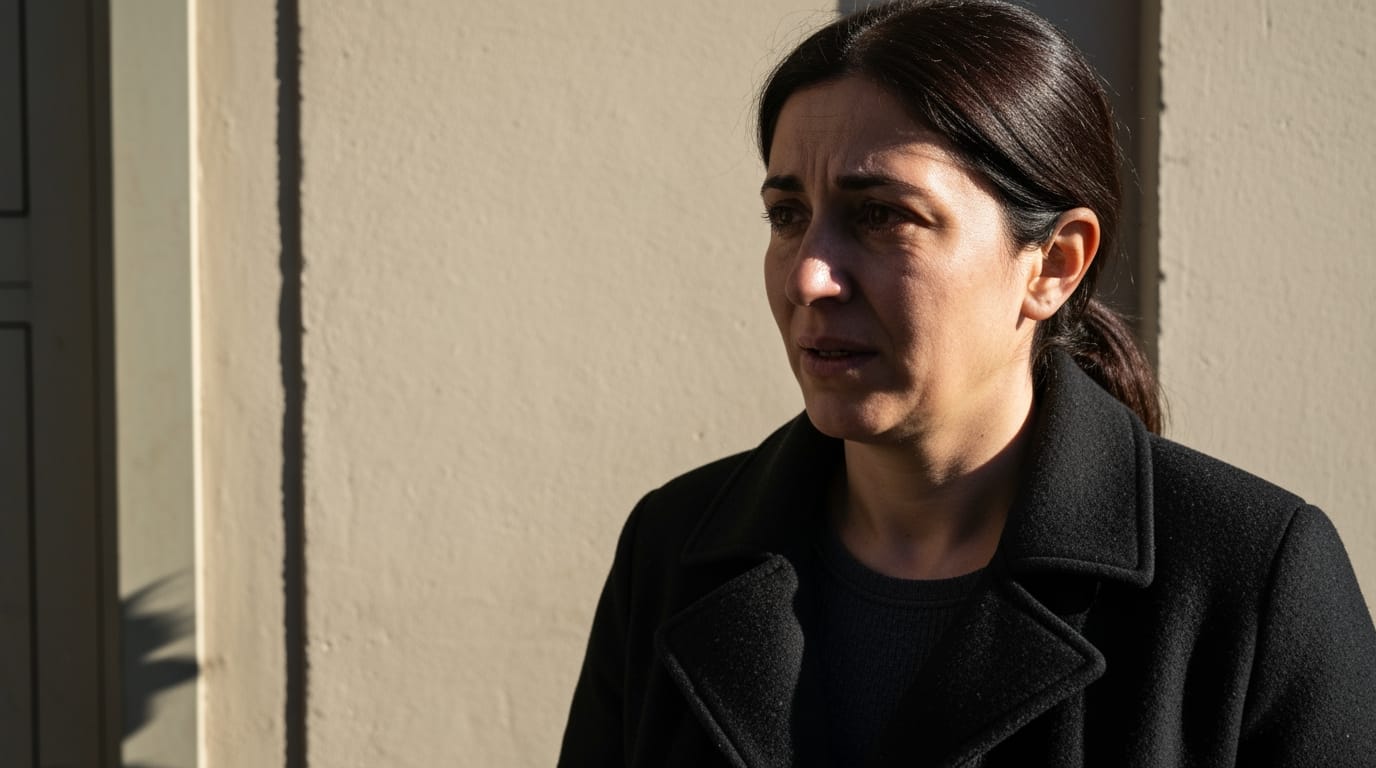
TIRANA, ALBANIA – A disturbing surge in femicide cases across Albania is casting a stark light on profound gaps within the nation's protection system for women and girls. Despite legislative reforms and increased awareness campaigns, the intentional killing of women because of their gender remains a persistent and brutal reality, frequently stemming from a continuum of violence that institutions have struggled to halt. Recent data reveals a troubling pattern of systemic failures, from inadequate legal recognition of femicide to a breakdown in enforcing protective measures, leaving victims vulnerable to the gravest consequences.
The Alarming Rise of Gender-Based Killings
Between 2021 and 2023, Albania documented 32 killings of women and girls, with 24 officially classified as femicides, representing the most extreme manifestation of gender-based violence. These tragic incidents spanned 19 municipalities, with the capital city of Tirana reporting the highest numbers. In 2023, the country’s femicide rate climbed to 0.84 per 100,000 women, marking an increase from the previous year and surpassing several neighboring countries in the region. A staggering 90 percent of these victims had a documented history of violence from their perpetrators prior to their deaths, underscoring critical missed opportunities for intervention. Approximately 60 percent of these murders occurred within the victims' own residences, highlighting the perilous nature of spaces that should offer safety. Over the past 13 years, from 2010 to the present, an average of one woman or girl has been murdered by a family member or partner every month, totaling 159 lives lost to gender-based violence. These statistics paint a grim picture of a society where women continue to face lethal threats rooted in discrimination, unequal power dynamics, and harmful gender stereotypes.
Systemic Failures and Protection Gaps
A primary impediment to effectively combatting femicide in Albania is the absence of explicit legal recognition for the crime within the national Criminal Code. This lack of specific legal classification contributes to uncertainty in judicial processes and hinders accurate data collection essential for targeted interventions. Despite existing laws designed to address domestic violence, their implementation and enforcement remain critically weak. Reports indicate that protection orders, intended to shield victims from abusers, often go unenforced, with some perpetrators violating them with fatal consequences. A severe shortage of police officers trained and equipped to adequately protect women under restraining orders further exacerbates this vulnerability.
The judicial system itself presents significant barriers to justice. There are documented instances of judges using derogatory and misogynistic language towards victims, and allegations of judicial corruption have led to lenient sentences for perpetrators of gender-based violence. Compounding these issues is a prevalent culture of impunity that discourages women from reporting violence, fueled by a lack of trust in authorities and deeply ingrained societal taboos. In 2023, out of 5,064 domestic violence cases handled by the State Police, only 2,334 were referred to prosecution, and a mere 699 arrests were made, revealing a stark disconnect between reported incidents and tangible legal action. This substantial gap between reported cases and effective prosecution underscores a fundamental failure in the justice pipeline.
The Devastating Human and Societal Toll
The consequences of these systemic failures extend far beyond the victims themselves. The 24 femicides recorded between 2021 and 2023, for example, impacted at least 37 children, with 20 of the victims being mothers, nine of whom had children under 18. These children are left to grapple with profound trauma and loss, often entering a cycle of vulnerability themselves. Moreover, the lack of comprehensive support services means that even those who manage to escape violent situations face immense challenges. Limited access to specialized assistance, including safe shelters, psychological counseling, and financial aid, often forces survivors to return to their abusers. For instance, a report highlighted that out of 3,388 domestic violence cases in Tirana over three years, only a small fraction received rental or housing loan subsidies, illustrating a critical gap in material support. This absence of a robust safety net perpetuates the cycle of violence, trapping women in dangerous environments. The ingrained patriarchal structures and gender stereotypes further contribute to the problem, hindering both reporting and effective institutional responses.
Emerging Initiatives and Urgent Calls for Reform
In response to the escalating crisis and mounting pressure from civil society and international bodies, Albania has initiated some crucial steps. A significant development is the establishment of the Femicide Observatory by the Ombudsperson in March 2024, with support from UN Women. This pioneering mechanism, the first of its kind in the Western Balkans, aims to systematically monitor and analyze femicide cases, identify institutional shortcomings, and provide concrete recommendations to government bodies. Key recommendations from the Observatory and other stakeholders emphasize the urgent need for legislative reform to include femicide as a distinct criminal offense, alongside strengthening institutional coordination and improving support services for survivors.
The Albanian government has also submitted an action plan addressing concerns raised by the European Court of Human Rights. There have been efforts to expand Coordinated Referral Mechanisms (CRMs), enhance local information systems for domestic violence cases, and increase financial assistance for survivors with protection orders. Training programs for police officers and other institutional actors are underway to improve their capacity to handle domestic violence cases and enforce protection measures more effectively. However, challenges persist, including limited compliance between national legislation and international standards on gender equality, and an inadequate number of shelters. Civil society organizations and international partners, such as UN Women through the Joint Programme "Ending Violence Against Women in Albania," continue to advocate for a more holistic, rights-based approach that addresses the root causes of gender inequality and strengthens the entire protection chain.
A Collective Imperative for Safety
The ongoing femicide crisis in Albania serves as a poignant reminder that legal frameworks, however well-intentioned, are only as effective as their implementation and the societal attitudes that underpin them. While the establishment of monitoring mechanisms and initial reforms signal a growing recognition of the problem, the tragic deaths of women and girls continue to expose critical vulnerabilities within the state's protective apparatus. Addressing this epidemic requires a resolute, multi-faceted commitment: from explicit legal recognition of femicide and robust enforcement of protection orders, to fostering a justice system free from bias and providing comprehensive, accessible support for all survivors. Until these systemic deficiencies are fully remedied, the fundamental right to safety and life for Albanian women and girls remains perilously compromised, demanding a collective societal and governmental imperative to ensure their protection.


