India and Bangladesh Embark on a New Chapter to Reinvigorate Bilateral Ties
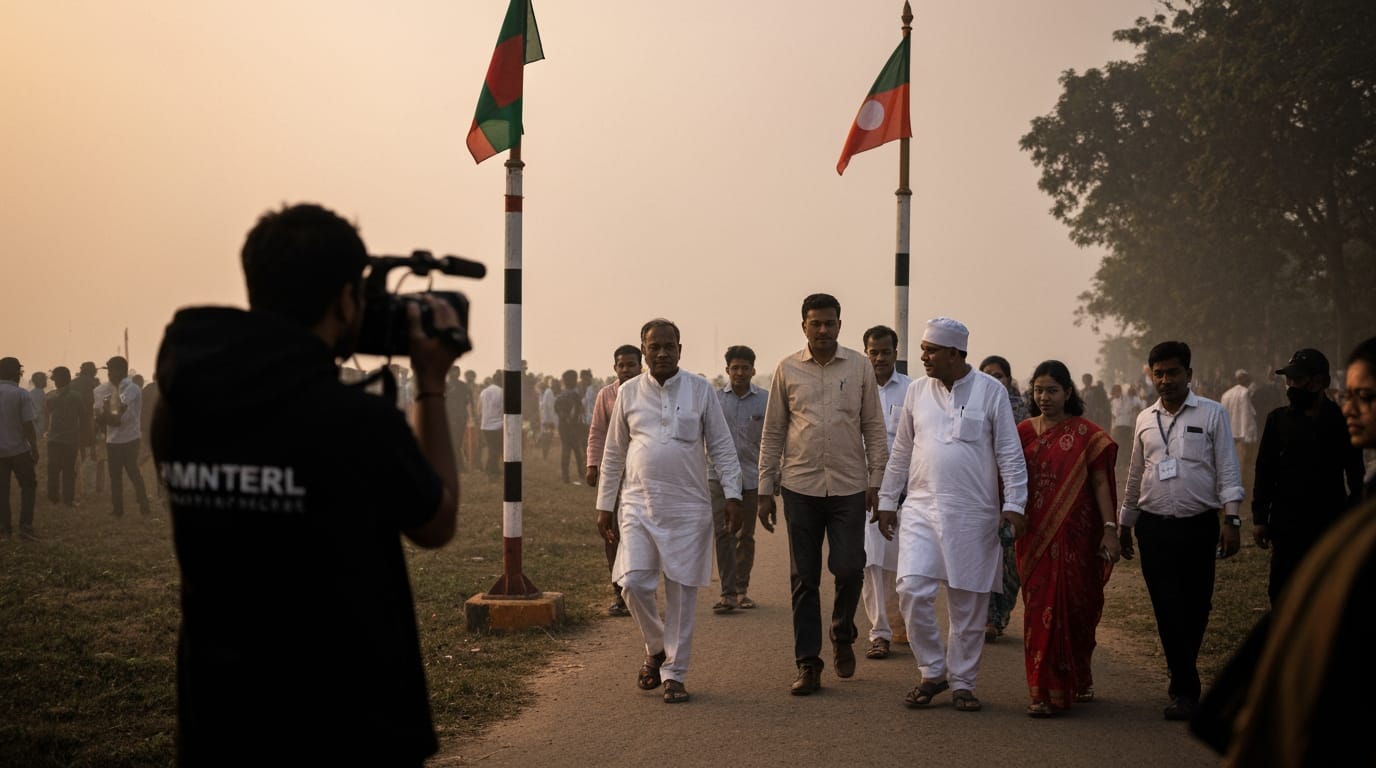
Dhaka and New Delhi are actively recalibrating their multifaceted relationship, signaling a significant reset in bilateral ties following a recent political transition in Bangladesh. The election of the Bangladesh Nationalist Party (BNP) and the ascendance of Prime Minister Tarique Rahman have opened a new diplomatic window, prompting India to swiftly engage with the new leadership to foster renewed cooperation. This diplomatic overture follows a period of cautious engagement, with both nations now prioritizing stability, economic integration, and strategic alignment in a move poised to reshape regional dynamics.
A New Political Landscape Ignites Diplomatic Overtures
The political landscape in Bangladesh underwent a significant transformation with the recent general elections, which saw the Bangladesh Nationalist Party secure a decisive majority and Tarique Rahman assume the premiership. This development marks a pivotal moment for India-Bangladesh relations, as the previous interim administration had been characterized by a noticeable downturn in diplomatic warmth. India, keenly observing these shifts, wasted no time in extending an olive branch, with Prime Minister Narendra Modi personally reaching out to congratulate Prime Minister Rahman and express India's readiness to strengthen the relationship. This proactive engagement underscores India's "Neighborhood First" policy and its strategic interest in a stable and cooperative eastern neighbor.
A tangible step in this diplomatic thaw was Bangladesh's decision to resume all visa services for Indian citizens, effective recently. These services had been temporarily suspended amidst political demonstrations and security concerns that gripped Bangladesh during the period of unrest leading up to the change in government. The resumption of visa operations is critical, particularly given Bangladesh's status as a major recipient of Indian visas globally, essential for medical, educational, and business travel. This move not only facilitates people-to-people connections but also serves as a strong indicator of renewed bilateral trust and normalization of administrative functions between the two nations.
Bolstering Economic Integration and Connectivity
At the heart of the India-Bangladesh relationship lies a robust economic interdependence that has proven resilient despite political fluctuations. Bangladesh stands as India's largest trade partner in South Asia, with bilateral trade reaching approximately $14 billion in the fiscal year 2023-24. India's exports to Bangladesh, totaling nearly $12 billion, largely consist of essential goods such as cotton, motor vehicles, sugar, iron, steel, and electronic equipment, which are crucial inputs for Bangladesh's manufacturing and export-oriented industries, particularly its significant garment sector. In return, Bangladesh exports products like cereals, pulp, paper, and raw hides to India. This trade dynamic highlights a symbiotic relationship where Indian supplies bolster Bangladesh's export competitiveness, especially for its ready-made garment exports to Western markets.
Beyond traditional trade, connectivity projects have emerged as a cornerstone of the bilateral partnership, fostering greater regional integration. Over the past decade, significant strides have been made in enhancing physical linkages through cross-border railways, land ports, inland waterways, and energy pipelines. Examples include the operationalization of six pre-1965 rail links and new routes like the Akhaura-Agartala cross-border rail link. Port connectivity has also been a focus, with both countries operationalizing agreements for the usage of Chittagong and Mongla Ports, which significantly reduce the cost and time for transit cargo between India's Northeast and its mainland. Energy cooperation is another vital pillar, with Bangladesh importing 1160 MW of power from India and benefiting from projects like the Bangladesh-India Friendship Pipeline, which supplies refined petroleum products. These extensive networks are not merely infrastructural developments but foundational elements underpinning mutual growth and stability, making them difficult and costly to reverse.
Enhancing Security Cooperation and Strategic Alignment
Security and defense cooperation are increasingly pivotal aspects of the evolving relationship. India and Bangladesh have strengthened their defense ties through new agreements aimed at expanding cooperation in critical areas such as maritime security, space, and counter-terrorism. A significant development includes Bangladesh Navy contracting India's Garden Reach Shipbuilding and Engineers (GRSE) for an 800-tonne oceangoing tug, funded by an Indian line of credit. This contract is among the first major procurements under a $500 million line of credit offered by New Delhi for defense purchases. These initiatives align with India's broader Security and Growth for All in the Region (SAGAR) doctrine, which advocates for a free, open, inclusive, peaceful, and prosperous Indo-Pacific.
The emphasis on enhanced security measures also reflects India's strategic vision for managing relations with its neighbors and countering regional threats. Both nations have reaffirmed their commitment to cooperate on counter-terrorism, fundamentalism, and peaceful border management. The strengthening of defense cooperation also occurs within a broader geopolitical context where Bangladesh, under its new government, is expected to pursue a balanced foreign policy. While India remains a critical partner, Bangladesh also maintains significant economic ties with China, which necessitates a diplomatic equilibrium between the regional powers.
Navigating the Complexities of Shared Waters
Despite the broad spectrum of cooperation, the equitable sharing of transboundary river waters continues to be a challenging but critical aspect of India-Bangladesh relations. The Ganges River dispute, a long-standing issue, was addressed through a comprehensive bilateral treaty signed in 1996, establishing a 30-year water-sharing arrangement that recognized Bangladesh's rights as a lower riparian state. However, this treaty is set to expire in December 2026, necessitating fresh negotiations and presenting a significant diplomatic challenge.
Even more contentious is the dispute over the Teesta River, a crucial water resource for both nations, particularly during the dry season. Bangladesh, as the lower riparian, seeks a higher share of the river's water than it currently receives, arguing that excessive withdrawal by India impacts its agricultural output and livelihoods. Despite multiple attempts to finalize a water-sharing agreement, including a significant effort in 2011, a treaty remains unsigned primarily due to objections from the Indian state of West Bengal. Resolving the Teesta dispute and ensuring a fair and sustainable water-sharing mechanism for the numerous other transboundary rivers shared by the two countries is paramount for long-term stability and goodwill.
A Path Towards Enduring Partnership
The current "reset" in India-Bangladesh ties reflects a mutual recognition of their deep-rooted historical, cultural, and geographical bonds, alongside a pragmatic understanding of shared economic and security interests. The new political leadership in Bangladesh presents both an opportunity and a challenge for New Delhi to rebuild trust and consolidate engagement. While economic interdependence and established connectivity projects provide a strong foundation for the relationship, critical issues like water sharing require sustained diplomatic effort and a commitment to equitable solutions. The path forward involves carefully balancing national interests with regional cooperation, ensuring that the renewed partnership translates into tangible benefits for the citizens of both countries and contributes to the overall stability and prosperity of South Asia.


