Ancient Statues: A Symphony of Color and Scent, Not Just White Marble
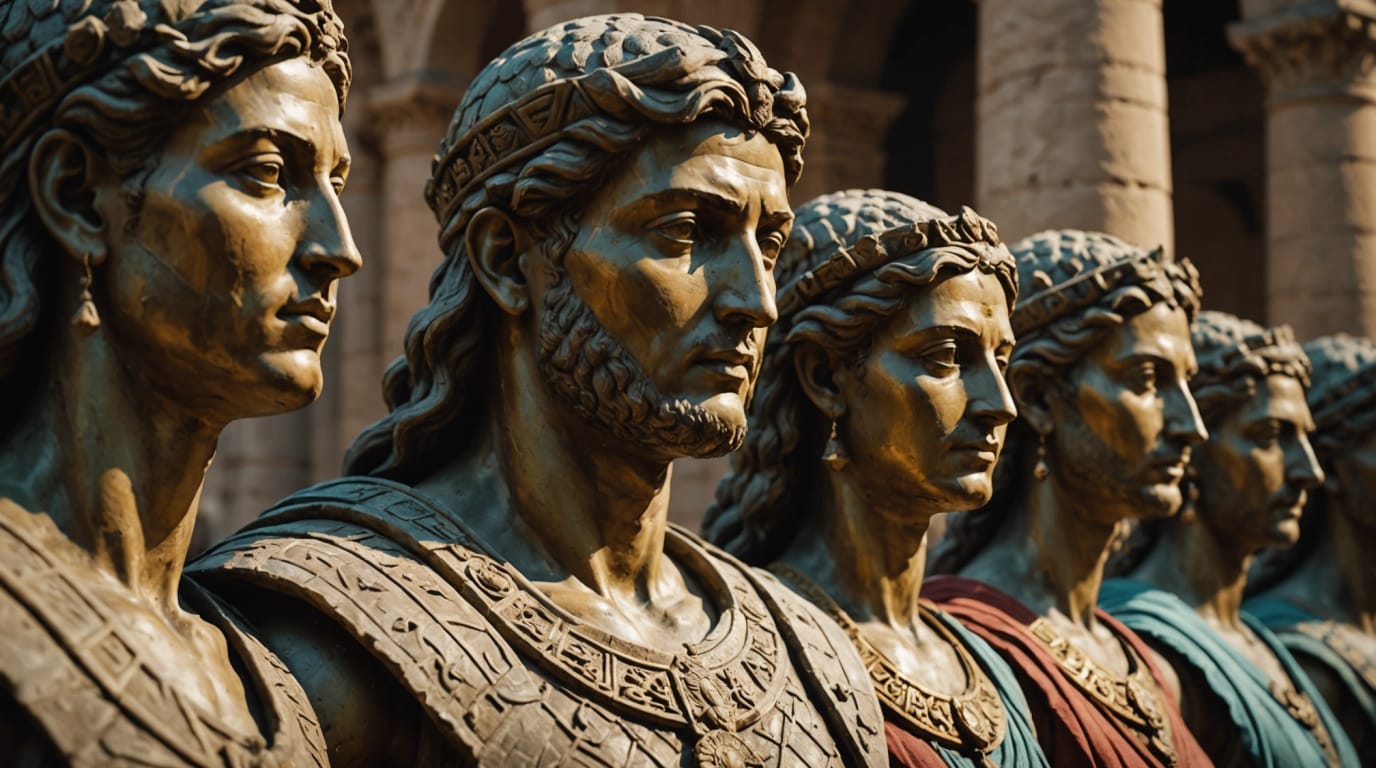
For centuries, museums have displayed ancient Greek and Roman statues as pristine white marble figures, embodying a sense of classical purity. However, groundbreaking new research reveals a vibrant and multi-sensory reality: these sculptures were not only painted in vivid colors but also adorned with jewelry, textiles, and, surprisingly, perfume. This discovery challenges long-held assumptions about classical aesthetics and offers a richer understanding of how ancient people experienced art and religious expression.
The Myth of White Marble
The perception of ancient statues as unadorned white marble stems largely from the Renaissance and Neoclassical periods, when scholars and artists like Johann Winckelmann promoted the idea that the Greeks and Romans favored a clean, unpainted aesthetic. This notion, however, is far from the truth. Modern scientific techniques, including ultraviolet (UV) light analysis, infrared spectroscopy, and X-ray fluorescence (XRF), have uncovered traces of pigments on numerous ancient sculptures, proving their original colorful appearance.
A Palette of Ancient Hues
The colors used on these statues were not subtle washes but rather bold and vibrant hues. Blues, reds, greens, and yellows brought the sculptures to life, enhancing their realism and symbolic meaning. Eyes were painted, eyebrows and eyelashes were carved or painted to enhance realism, and metal elements such as diadems, crowns, weapons and scepters were added. This colorful reality transforms our understanding of ancient art, revealing a culture that embraced vibrancy and detail.
The Olfactory Dimension: Perfuming the Gods
Adding another layer to this sensory experience, recent research led by archaeologist Cecilie Brøns, Ph.D., published in the Oxford Journal of Archaeology, unveils that ancient statues were also perfumed. Brøns, a curator at the Glyptotek museum in Copenhagen, discovered this by studying ancient texts and inscriptions, which revealed the practice of anointing statues with fragrant oils and perfumes.
In ancient Greece and Rome, perfumes were not merely decorative; they held ritual significance. Gods were honored with exotic fragrances and scented oils, transforming the act of viewing a statue into a multi-sensory experience. The Roman orator Cicero, for instance, described a ritual in Segesta, Sicily, where a statue of Artemis, the goddess of the hunt, forests, and animals, was anointed with fragrant oils. Similarly, the poet Callimachus described the statue of Queen Berenice II of Egypt as being "moist with perfume."
The Scented Sanctuaries of Delos
Archaeological evidence from the sanctuary of Delos further supports this practice. Perfume workshops have been uncovered, along with inscriptions detailing the costs and compositions of fragrances and oils used to embellish the statues of Artemis, Hera, and other deities. These inscriptions reveal that the perfumes were made from ingredients such as olive oils, beeswax, natron (sodium carbonate), and rose petals.
The practice of perfuming statues was known as "kosmesis," which went beyond scent to include draping statues in fine fabrics and adorning them with jewels. Special techniques, such as "ganosis," were used to apply and preserve the scents. Ganosis involved mixing waxes and oils and spreading them on the statues, which not only imparted a pleasant fragrance but also helped maintain the vivid colors.
A Living Embodiment
The perfuming of statues transformed them into more than just works of art; they became living embodiments of the gods and rulers they represented. This olfactory dimension created a deeper connection between the viewer and the divine, enhancing the sense of awe and reverence. As Brøns notes, "Admiring a statue in the ancient world was not just a visual experience, but also an olfactory one."
Festivals like the Floralia in Rome further enriched the olfactory experience, adding fragrant garlands of roses and violets to the statues. This multi-sensory approach created a more immersive and engaging experience for worshippers and spectators, deepening their connection to the divine.
Reconsidering Ancient Art
The discovery that ancient statues were both colorful and perfumed invites a broader reconsideration of how ancient audiences engaged with art. By recognizing that sculptures were not only meant to be seen but also smelled, historians and archaeologists gain a deeper understanding of the role of sensory perception in antiquity. This new perspective challenges the traditional view of classical art as purely visual, revealing a culture that embraced a richer, more immersive sensory experience.
The implications of this research extend beyond the realm of art history. It sheds light on the religious and cultural practices of ancient Greece and Rome, revealing the importance of sensory experience in shaping their understanding of the world. By embracing the full spectrum of sensory details, we can gain a more complete and nuanced understanding of these ancient civilizations.